What Is Barbados? A First-Timer’s Guide to the Island
The four coasts, Bridgetown’s World Heritage Garrison and the basics to plan around
In this guide
What is Barbados? It is an independent island nation in the eastern Caribbean: one island of 166 square miles, divided into 11 parishes, with English as its language and Bridgetown as its capital. Its west coast faces the sheltered Caribbean Sea and its east coast faces the open Atlantic, and that split shapes almost every choice a first-time visitor makes, from where to swim to how to get around. This guide explains how the island fits together and where to go next as you plan.
What is Barbados, and where is it?
Barbados sits on its own in the Atlantic, east of the main Caribbean island chain. It has been independent since 30 November 1966 and became a parliamentary republic on 30 November 2021. Visit Barbados, the island’s tourism board, gives its area as 166 square miles, and notes that most residents describe the island by coast, North, East, South or West, rather than by parish.
Nine of the 11 parishes reach the sea. St Thomas and St George, in the centre, have no coastline at all. Because the island is small, the tourism board says a beach is reckoned to be no more than about a 20-minute drive from anywhere, although traffic around Bridgetown can stretch that.
How the four coasts differ
The sea is the clearest way to tell the coasts apart. This table follows the tourism board’s own description of each one.
| Coast | Parishes | The sea | Character |
|---|---|---|---|
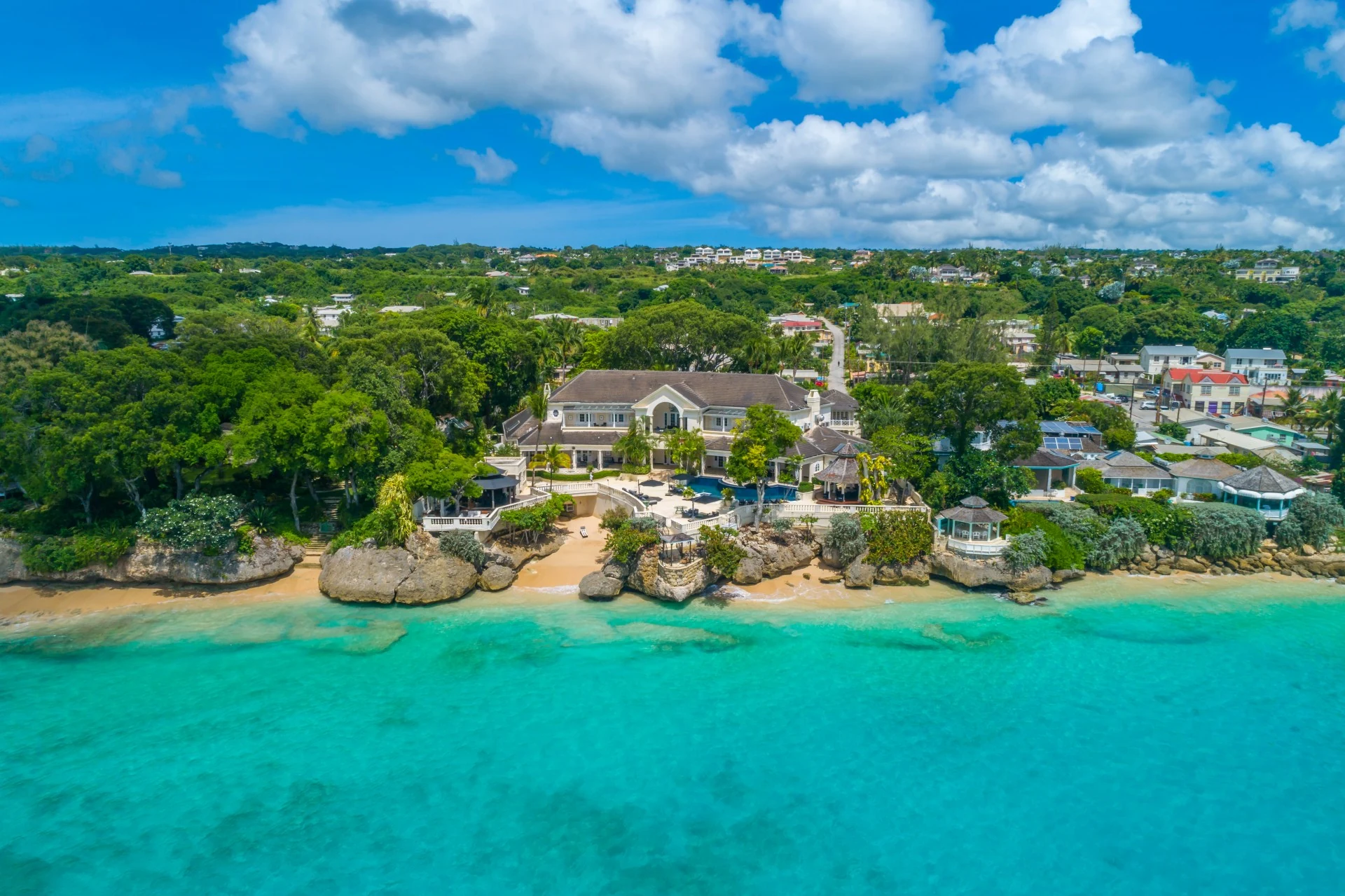
| West (the “Platinum Coast”) | St Peter, St James, part of St Michael | The sheltered Caribbean Sea; the tourism board says swimming is generally safe year-round | Hotels and restaurants, Holetown and Speightstown, golf, polo and the West Coast Boardwalk |
| South | Christ Church, with edges of St Michael and St Philip | Calmer to the south-west, rougher to the south-east where the Atlantic meets the island | The livelier side: St Lawrence Gap, Oistins, the Richard Haynes Boardwalk |
| East | St Andrew, St Joseph, St John | Open Atlantic; not recommended for swimming, apart from some reef-sheltered pools | Rugged and rural, with surfing at Bathsheba; buses can be an hour or more apart |
| North | St Lucy | Atlantic cliffs; strong currents at Maycock’s Bay | Quiet and remote, home to the Animal Flower Cave |
The west and south coasts hold most of the island’s shops, restaurants and transport. On the east and north coasts the tourism board points out that shops and cash machines are sparse and that a rented car makes life simpler.
Bridgetown and its Garrison
Bridgetown, on Carlisle Bay in St Michael, is the capital and the island’s busiest town. In June 2011 UNESCO inscribed Historic Bridgetown and its Garrison on the World Heritage List. UNESCO describes an old town built in the 17th, 18th and 19th centuries whose winding street plan, laid out on an English medieval pattern, differs from the grid-planned Spanish and Dutch colonial towns of the region.
The listing also covers St Ann’s Garrison to the south, linked to the town along Bay Street, which UNESCO calls the most complete 18th–19th century British garrison ensemble in the Atlantic World. UNESCO’s account does not soften what the port was for: it was an entrepôt for sugar and for enslaved people shipped to Barbados and the rest of the Americas. That history is part of what the listing protects.
Language, money and the basics
- Language: English is the official language.
- Currency: the Barbados dollar. The US State Department notes that US dollars are widely accepted and credit cards are widely used.
- Driving: on the left. The tourism board adds that seatbelts are compulsory.
- Arrival form: every traveller completes the online immigration and customs form, which the Barbados Immigration Department says opens 72 hours before arrival.
- Passports: the Immigration Department asks for a passport valid for at least six months, a return ticket, an intended address and evidence of support.
Flights, the arrival form, airport taxis and the end of the visitor driving permit are covered in detail in our guide to getting to Barbados and getting around the island.
Food, cricket and rum
Bajan food. The tourism board names cou-cou and flying fish as the national dish: cornmeal cooked with okra, served with flying fish stewed with onion, garlic, thyme, tomato and pepper. The tourism board calls Oistins, on the south coast, a historic fishing town.
Cricket. Kensington Oval, on the edge of Bridgetown, is the island’s main ground, and a statue of Sir Garfield Sobers, a National Hero of Barbados, stands at its entrance. The tourism board says Test matches are usually played there between January and April, and village and beach games go on all year.
Rum. Barbados is promoted as the birthplace of rum. The tourism board dates the Mount Gay distillery to 1703 and describes its rum as believed to be the oldest found anywhere in the world.
The island’s summer festival is Crop Over. Visit Barbados lists Crop Over 2027 as running from 2 July to 2 August 2027.
How to plan a first trip
- Check your passport and entry rules. The six-month validity the Barbados Immigration Department asks for is stricter than some governments’ own advice, so plan to it.
- Choose a coast by the sea you want. Calm swimming points to the west or south-west; surf and solitude point east.
- Decide how you will get around. Taxis are unmetered, so fares are agreed in advance. Buses are frequent on the west and south coasts and sparse in the east. Driving means keeping left on narrow rural roads.
- Know the season. The US State Department gives the hurricane season as June to November, with peak activity usually from August to October.
- Travelling with children? Read our guide to Barbados with kids for calm-water swimming, sights with published age limits, mosquito advice and the consent letter some children need.
Practical limits
Sea conditions change with the season and the swell, so a beach that is calm one week can be rough the next; follow lifeguards and warning flags where they are posted. Opening hours at heritage sites and attractions are set by each operator, so confirm them before you travel. Fees apply at many attractions; confirm the amount with the operator.
So, what is Barbados in one line? A small, English-speaking island with a calm Caribbean side, a wild Atlantic side and a capital on the World Heritage List. Knowing which side suits you makes every other decision easier. Start with how to reach Barbados, then, if the family is coming, our family guide to Barbados.
Villas to rent in Barbados
-
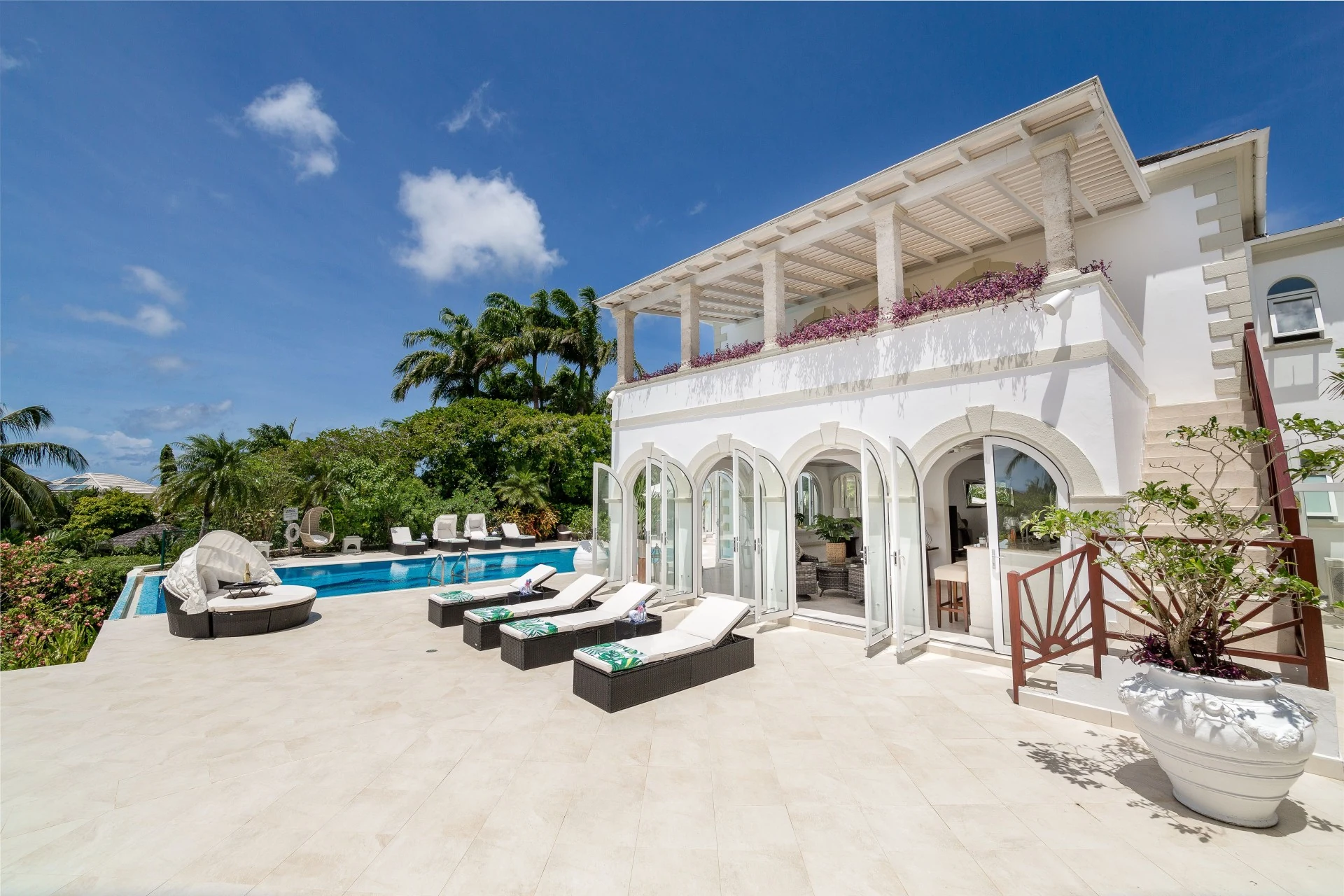
Mango Walk
Royal Westmoreland
6 bedrooms · Sleeps 12
-
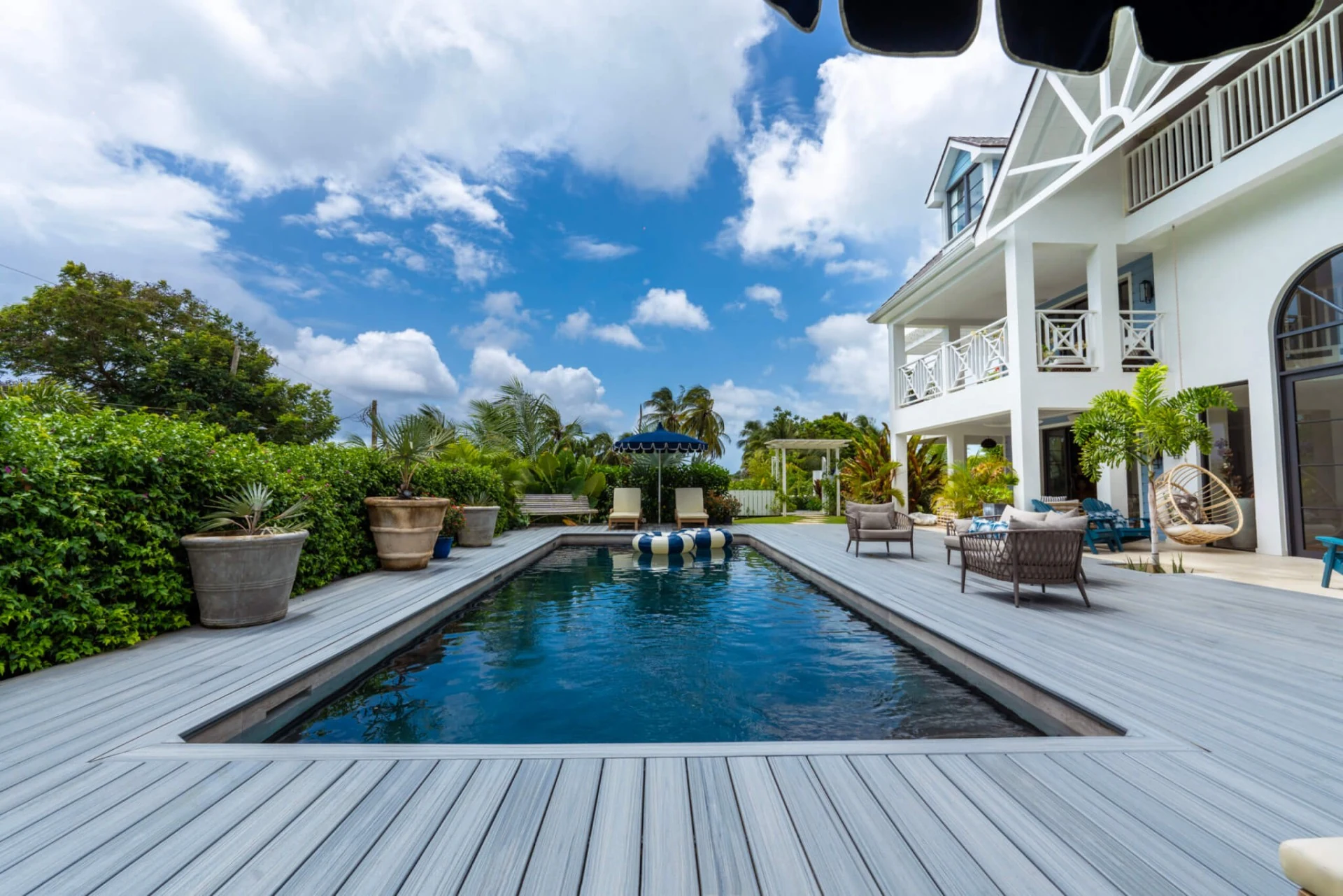
Seastar
St Peter
6 bedrooms · Sleeps 12
-
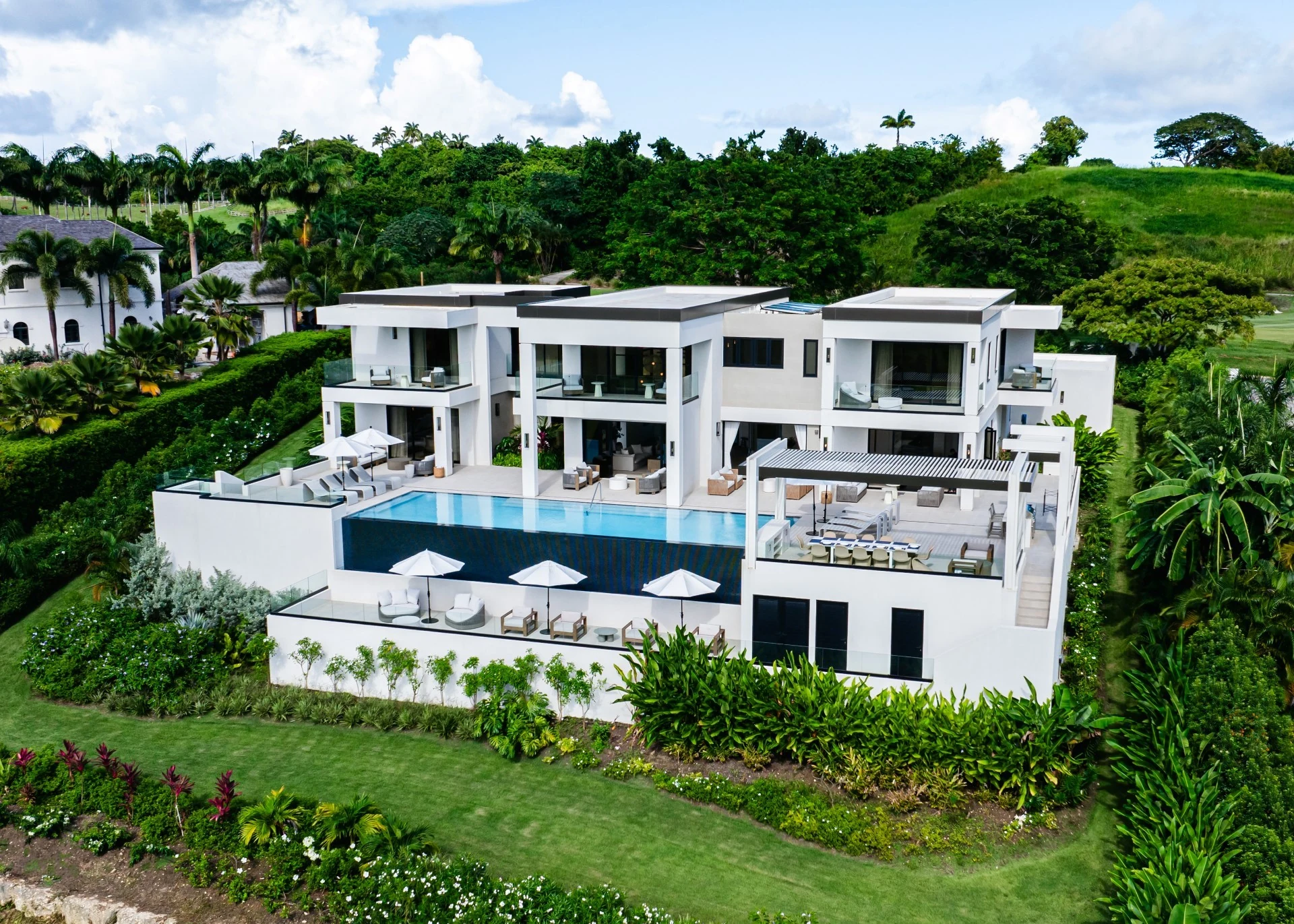
Above the Clouds
Apes Hill
6 bedrooms · Sleeps 12