What Is Cape Town? A First-Timer’s Guide
Table Mountain and the City Bowl, the city’s three sides, the Peninsula and the Winelands, the weather and how long to stay.
In this guide
What is Cape Town? It is the city at the south-western tip of South Africa, the capital of the Western Cape province, built around the flat-topped bulk of Table Mountain where the Cape Peninsula meets the mainland. Most first trips combine three things: the city and its coastline, a day down the Peninsula to Cape Point, and a day or more in the Winelands inland. This guide explains how those pieces fit together, what the weather does, and how long to give the trip.
What is Cape Town, and where is it?
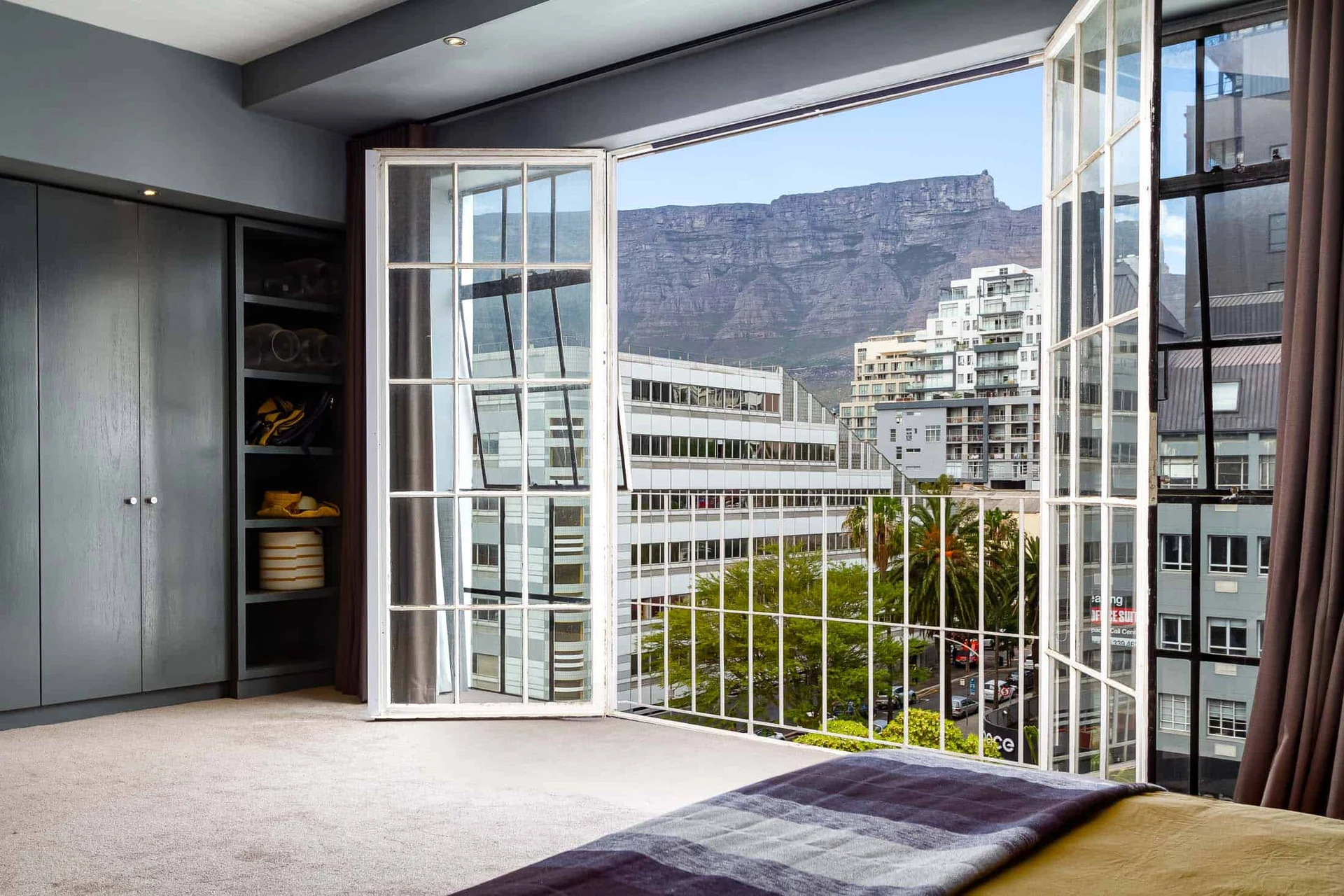
Cape Town faces Table Bay on the Atlantic coast, with False Bay on the far side of the Peninsula to the south-east. The mountain is not a backdrop so much as the city’s organising fact: neighbourhoods wrap around its flanks, and the roads between them follow the gaps. Table Mountain National Park, run by SANParks, stretches about 70 km from Signal Hill and Table Mountain in the north to Cape Point in the south and includes a marine protected area, so much of the Peninsula’s high ground and coast is park land rather than city. SANParks describes the park as a natural World Heritage Site.
Table Mountain and the City Bowl
The City Bowl is the amphitheatre between Table Mountain, Devil’s Peak, Lion’s Head and Signal Hill, opening north onto the harbour. It holds the central business district, the older residential streets on the lower slopes, and the road out to the V&A Waterfront. For a visitor it is the hub: most routes, tours and the MyCiTi bus network start here.
The Table Mountain Aerial Cableway runs to the summit, weather permitting. Its website posts the day’s status and closes the cableway in adverse weather, and it publishes an annual maintenance shutdown; in 2026 that ran from 27 July to 9 August. Treat a summit visit as something to slot into the first clear, calm day rather than a fixed appointment.
Three sides of the city
Part of answering what is Cape Town is seeing that, beyond the City Bowl, it reads as three distinct sides. This is a sketch of character, not a comparison of where to base yourself.
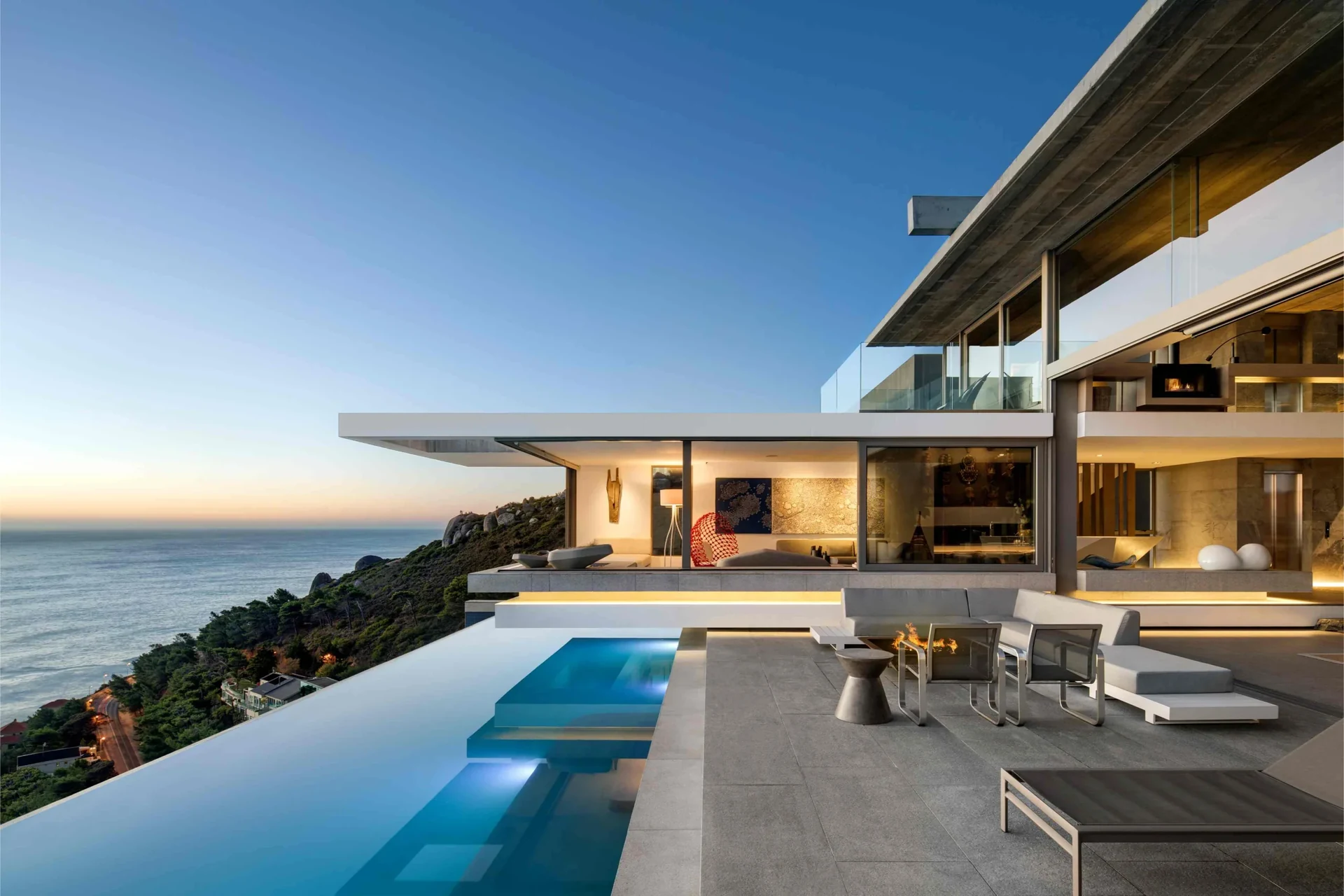
- The Atlantic Seaboard. Cape Town Tourism describes it as running from the V&A Waterfront down to Hout Bay, between the Atlantic and the foothills of Table Mountain, taking in Green Point, Sea Point, Bantry Bay, Clifton and Camps Bay. It faces west, toward the sunset, with the Twelve Apostles ridge behind it.
- The Southern Suburbs. Leafy, residential and quieter, reaching from the eastern slopes of Table Mountain toward False Bay: Newlands, Claremont, Kirstenbosch and Constantia. Cape Town Tourism counts Constantia among the city’s wine regions, and Kirstenbosch National Botanical Garden sits on the mountain’s eastern side.
- The False Bay side. A line of older seaside towns along the railway and coast road on the Peninsula’s eastern shore, from Muizenberg through St James and Kalk Bay to Simon’s Town, where the Peninsula drive to Cape Point usually begins or ends.
The Cape Peninsula and the Winelands
The Cape Peninsula is the long finger of mountain and coast running south from the city. A loop down one side and back up the other links the Atlantic coast road, the False Bay towns and the Cape of Good Hope section of the national park, with Cape Point at its tip. It is a full day from the city. Our guide to Cape Point and the Cape Peninsula sets out the route, the park entry rules and how to plan the day.
The Winelands lie inland to the east, where the valleys around Stellenbosch, Franschhoek and Paarl hold the region’s older wine estates under a ring of higher mountains. Many visitors go for a day; others spend a night or two there. Our guide to the Cape Winelands from Cape Town compares the towns and the ways to get there without driving between tastings.
Weather in outline: winter rain and the summer wind
Cape Town has a Mediterranean climate, which is unusual for southern Africa: its rain comes in winter, not summer. The City of Cape Town describes summer, December to February, as usually hot and sunny, and winter, June to August, as the rainy season, with about 12 rainy days a month. Autumn and spring sit between the two.
The wind matters as much as the rain. The South African Weather Service notes that south-easterly winds blow in Cape Town throughout the year, and that the strongest south-easterlies come in the summer months of December and February. Locals call this summer wind the Cape Doctor. On a strong south-easter day the cableway can close, beaches on the exposed side feel very different from sheltered ones, and boat trips may not sail. Build slack into any plan that depends on calm weather.
Language, money and driving
- Languages. The Constitution of the Western Cape names Afrikaans, English and isiXhosa as the province’s official languages, to be used with equal status by the provincial government. You will hear all three in Cape Town.
- Currency. The South African rand (ZAR).
- Driving. South Africa drives on the left, and the steering wheel is on the right. Licence rules for US and UK visitors are in our guide to getting to Cape Town.
- Time. South African Standard Time, UTC+2, with no daylight-saving change.
How long to plan for
The two excursions each take a day, and the city itself needs time of its own. Wind and cloud can take a day out of any plan, so a spare day is worth more here than in many cities. As a planning frame:
| Trip length | What fits | What gives way |
|---|---|---|
| 3–4 days | The City Bowl, one coast, Table Mountain on the clearest day, and one excursion | Either the Peninsula or the Winelands |
| 5–7 days | The city, both excursions and a spare day for weather | Overnight stays outside the city |
| 8 days or more | All of the above, plus a night or two in the Winelands or along the coast | Little, if the spare days stay spare |
Long-haul flights add a day at each end for most visitors. Our guide to getting to Cape Town covers routes, entry rules and the ride in from the airport.
Where to read more
- Getting to Cape Town: flights, arrival and airport transfers.
- Cape Point and the Cape Peninsula: the day’s route and park rules.
- The Cape Winelands from Cape Town: towns, estates and transport.
- Official sources: Cape Town Tourism (capetown.travel) for areas and events, SANParks for Table Mountain National Park, the Table Mountain Aerial Cableway for the day’s status, and the South African Weather Service (weathersa.co.za) for forecasts and warnings.
Villas and apartments in Cape Town
-
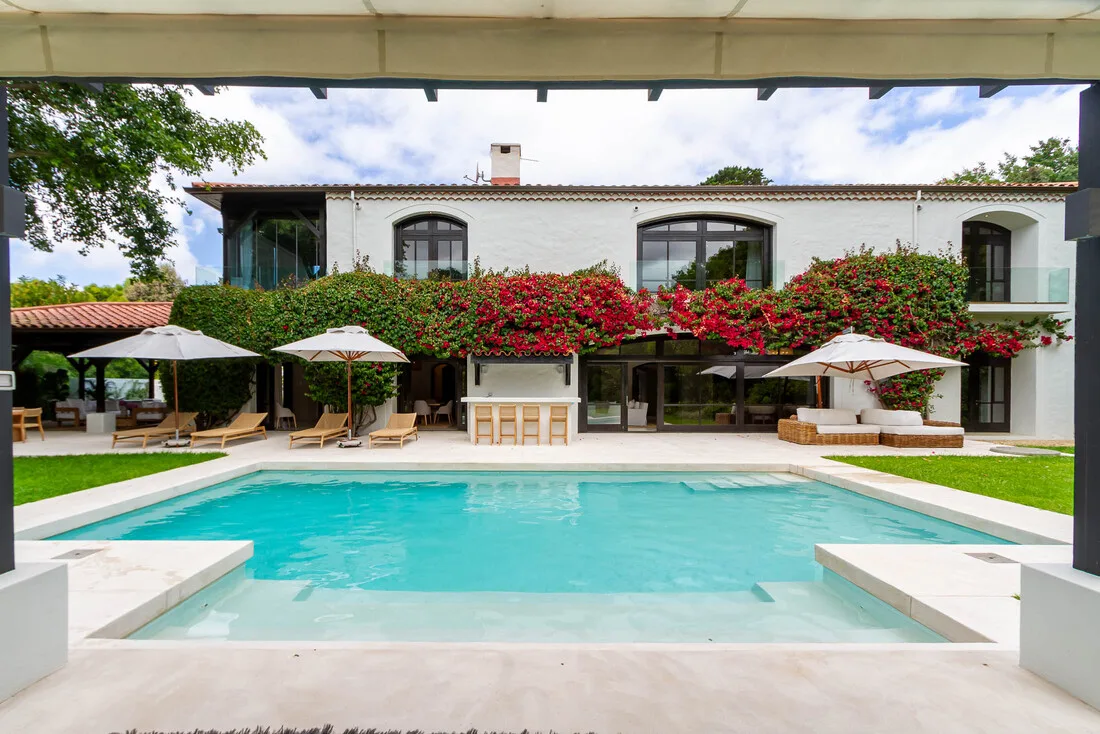
Casa Montecito
Constantia
5 bedrooms · Sleeps 10
-
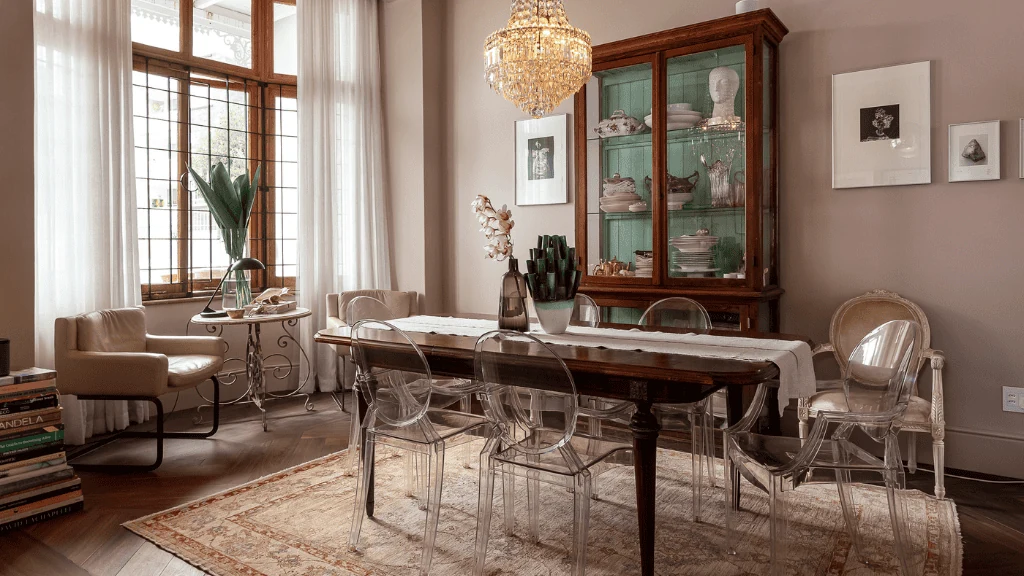
Jane
Gardens
2 bedrooms · Sleeps 4
-
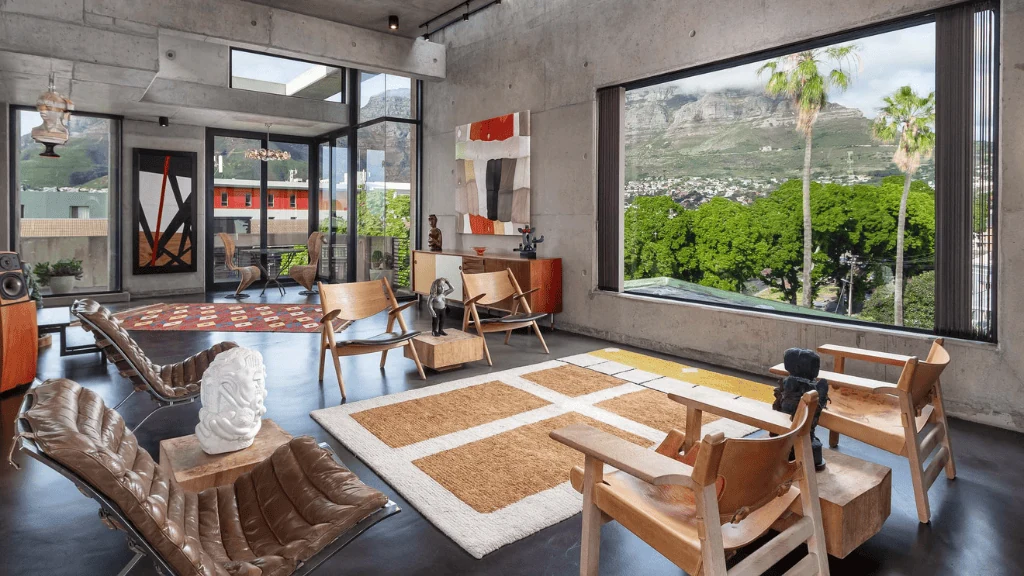
Skypad
Bo-Kaap
2 bedrooms · Sleeps 4