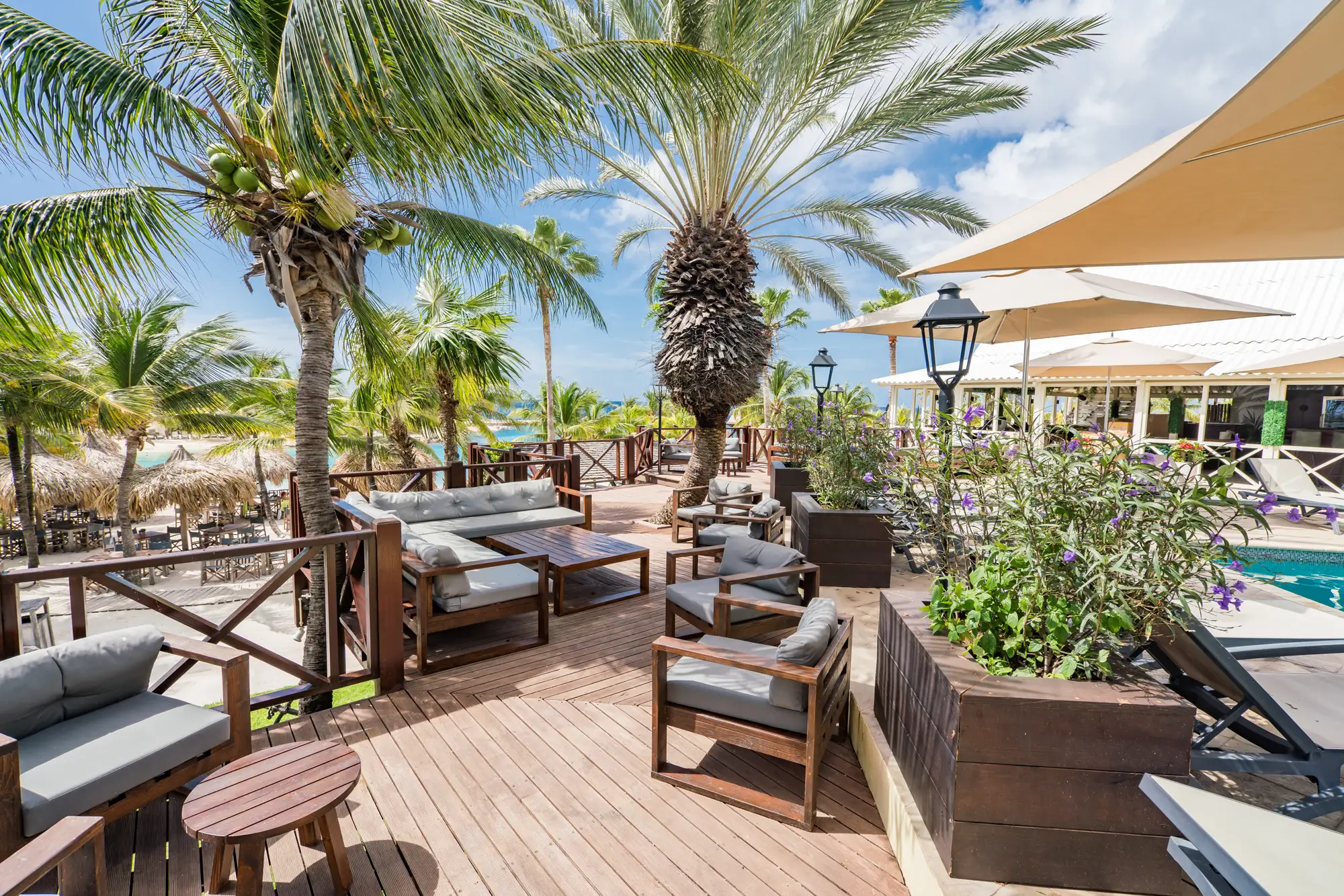
Weddings in Punta Mita: Venues, Guest Logistics, and Planning
How to align the venue, access, guest rooms, weather fallback, contracts, and civil-paperwork decision.
In this guide
A Punta Mita destination wedding works best when the venue, guest rooms, and backup plan are treated as one operation. The ceremony view matters, but so do the questions that determine whether everyone can reach the site, where they will sleep, what happens if the weather changes, and who is responsible for each transition. Weddings in Punta Mita come together best when those questions are answered early.
Start by being precise about geography. Punta Mita commonly refers to the private peninsula, while resorts elsewhere along Punta de Mita and the Riviera Nayarit may use similar destination language. That distinction affects access, transfers, and whether guests can move easily between their accommodation and the events.
Decide what kind of wedding operation you are building
The first choice is not beach versus ballroom. It is whether the wedding will be managed principally by a resort, assembled around a private property, or split between several venues.
A resort-led wedding can place the ceremony, reception, catering, and guest rooms under one contracting team. Four Seasons Resort Punta Mita, for example, presents wedding venues, planning support, and related events such as rehearsal dinners and post-wedding brunches. Conrad Punta de Mita, in the broader area, similarly presents an on-site team, catering, and a range of event spaces. These examples establish what those properties currently offer; they do not mean that every element is included in a room block or venue fee.
A private-property event can give a smaller group more control over how it uses the space, but it introduces another approval layer. Sleeping capacity is not event capacity. Before considering a villa, obtain written confirmation of the permitted attendance, music rules, end time, outside vendors, rentals, insurance, security deposit, and any community approval. A home should not be presented to guests as the venue until those terms are attached to the contract.
Choose the venue and access footprint together
Make a map before signing. Mark the ceremony, reception, welcome event, guest rooms, and vehicle drop-off points. Then count how many times guests must change locations and whether each move crosses a resort or community access point.
For every venue, ask who can enter, how names are submitted, what identification is required, whether outside suppliers need advance credentials, and where coaches or vans may wait. Confirm accessible routes rather than assuming that a lawn, beach, or terrace has a step-free approach. Also ask how older guests, wheelchair users, and anyone avoiding sand will reach their seats.
Venue format should follow the event, not the photograph. A beach can suit a short ceremony but require a separate dinner location. A lawn may offer more layout freedom while needing additional lighting, flooring, or weather protection. A ballroom provides greater environmental control but may change the atmosphere the couple imagined. Conrad’s current event material ranges from small suite and lawn settings to a large ballroom, illustrating why guest count alone is not enough: seating style, stage, dance floor, and service routes all affect usable capacity.
Map guest lodging around the event sequence
Choose the event locations first, then decide where guests should stay. Our guide to where to stay in Punta Mita compares areas and communities. For the wedding, focus on how many lodging clusters your transport plan can support without leaving guests to manage the route themselves.
Request room-block terms in writing. Check the release date for unused rooms, minimum pickup, deposit schedule, cancellation treatment, service charges, breakfast inclusion, and whether guests book individually or through one contact. Ask whether accessible and family room types can be held rather than merely requested.
If immediate family will share a villa, separate the household plan from the event plan. Confirm bedroom assignments, staff hours, kitchen access during vendor setup, deliveries, parking, and where non-resident guests may enter. Do not assume that a cook or house staff will cater the wedding; the stay and the event may require different teams.
Treat the weather fallback as a second workable plan
An outdoor wedding needs more than permission to move inside. It needs an alternative layout that the couple would genuinely accept. Four Seasons currently describes Takua as a space that can remain open-air or close its floor-to-ceiling windows for climate control, and suggests using it after a beach ceremony. That is the useful standard: the fallback should be a functioning reception plan, not an unspecified room held in reserve.
Ask when the weather decision is made, who makes it, whether the decision is reversible, and what additional labor or rental charges apply. Confirm the wet-weather route for guests, power protection, wind limits for structures and décor, and a heat plan for waiting periods. Historical climate records can help with date selection, but they cannot guarantee conditions on one afternoon.
Ask these questions before signing
- Which spaces are held exclusively, and for what hours?
- What is the capacity in the exact ceremony, dinner, and dancing configuration?
- Which spending minimums, service charges, and mandatory suppliers apply?
- Which sound limits, curfews, and outdoor-production restrictions are contractual?
- What happens if the venue changes because of weather?
- Who handles guest access lists, vendor credentials, and vehicle staging?
- Are setup, breakdown, rehearsal, and recovery hours included?
- What are the deposit, cancellation, postponement, and force-majeure terms?
- Which quoted services remain subject to availability?
Put answers in the agreement or an attached event order. A planning conversation is useful, but it is not a substitute for the terms that control the booking.
Separate the celebration from the civil paperwork
Decide early whether the Punta Mita ceremony is ceremonial only or whether a Mexican civil marriage must be completed as part of the trip. Do not rely on a resort page, planner blog, or old checklist for current official requirements.
For a civil marriage, contact the Registro Civil office that would perform the act and request its current written instructions for the couple’s nationalities and circumstances. Ask which documents are required, how foreign documents must be handled, whether appointments or witnesses are required, and what processing times apply. Reconfirm the list shortly before travel. Requirements can change, and the office performing the marriage—not a venue—is the authority for the file it will accept.
Weddings in Punta Mita: build the final booking order
Secure the least replaceable pieces first: the date, a venue with an acceptable fallback, and enough suitable rooms for the essential group. Next confirm the planner or resort contact, event transport, and suppliers whose availability shapes the day. Finalize optional meals and activities only after the core movement plan works.
Weddings in Punta Mita come together more smoothly when venue, lodging and paperwork are settled early. The strongest Punta Mita wedding plan is not the one with the longest weekend schedule. It is the one in which the venue, beds, access rules, and backup plan still make sense when considered together—and every material promise is written down before guests are asked to book. Use the Punta Mita travel guide for broader destination planning rather than expanding the wedding brief into a general itinerary.