What Is Antigua? A Guide to the Island of Beaches and Harbours
Its place in Antigua and Barbuda, the main coasts, English Harbour’s heritage and what a trip involves.
In this guide
Antigua is one of the most accessible islands in the eastern Caribbean, with international flights, English as the language and a coastline full of bays. It also has more history than many visitors expect, centered on a Georgian naval dockyard in English Harbour. This guide explains how the island fits together. So what is Antigua, exactly? This guide explains each part.
What is Antigua, and where is it?
Antigua is the larger of the two main islands of Antigua and Barbuda, which became independent within the Commonwealth in 1981. It covers about 281 square kilometers in the Leeward Islands. The capital, St John’s, is on the northwest coast. English is the official language, the currency is the East Caribbean dollar, and US dollars are widely accepted. Driving is on the left.
Entry rules, money and the practical basics
Antigua and Barbuda’s Department of Immigration says visitors need a passport valid beyond the date of their return ticket, a paid return or onward ticket, and may be asked to show sufficient funds for the stay; permission to land can be granted for up to six months. The tourism authority’s FAQ adds confirmation of accommodation for the whole stay to that list.
V.C. Bird International Airport asks arriving passengers to complete the electronic immigration and customs form at ArriveAntigua.com within 72 hours of the flight; it produces a QR code and needs no app. Electricity is 240 volts at 50 Hz, with a few hotels on 110 volts. Flights, taxis and the temporary driving permit are covered in our guide to getting to Antigua.
The coasts
- The northwest: around St John’s and bays such as Dickenson Bay and Runaway Bay, with many of the island’s resorts, restaurants and evening life.
- The west and southwest: a long run of beaches including Ffryes Bay and Darkwood, with a quieter feel.
- The south: English Harbour and Falmouth Harbour, the island’s yachting and heritage center.
- The east: Half Moon Bay and Long Bay, with reef-protected water and a wilder landscape, plus the natural limestone arch of Devil’s Bridge.
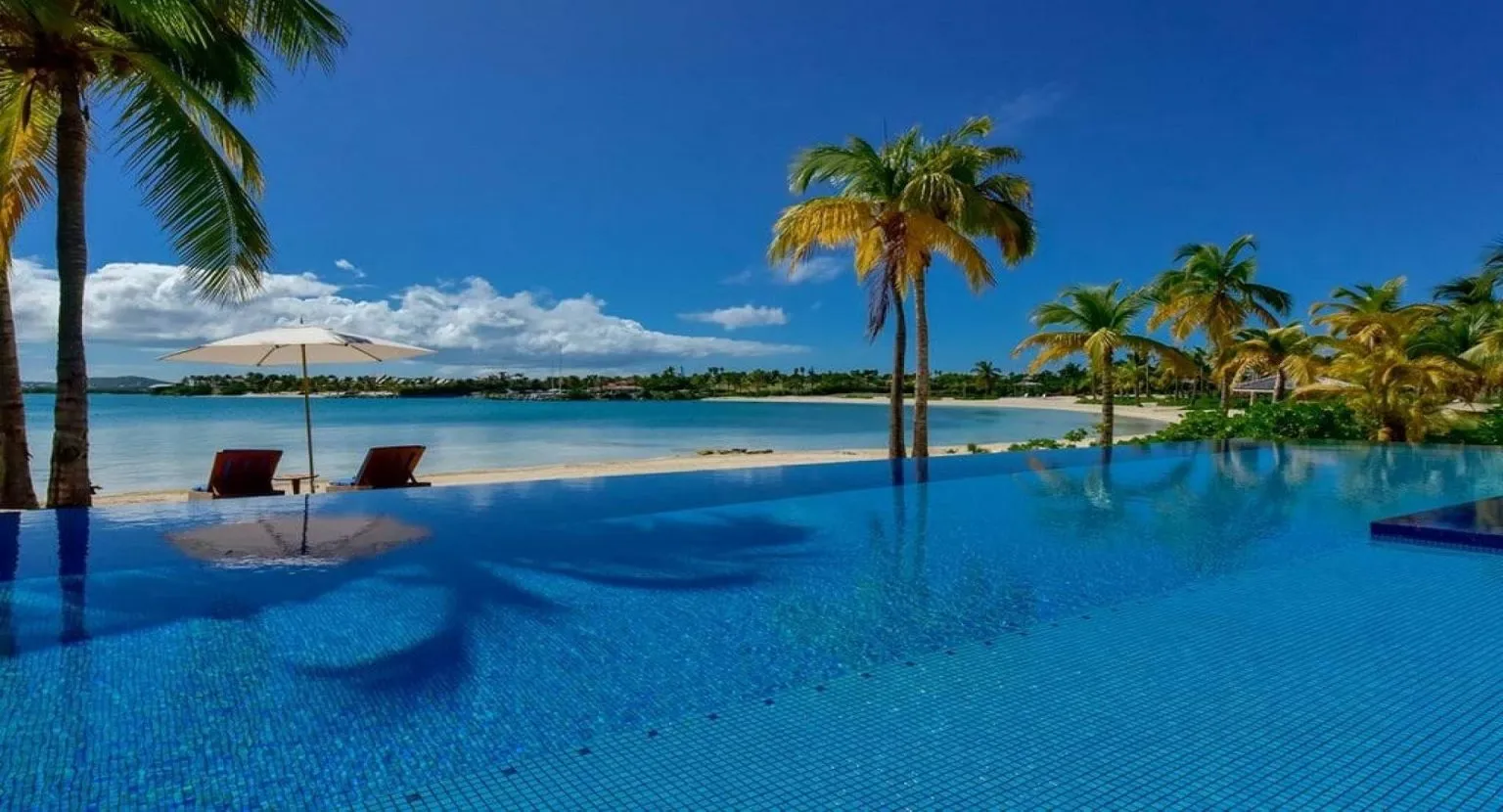
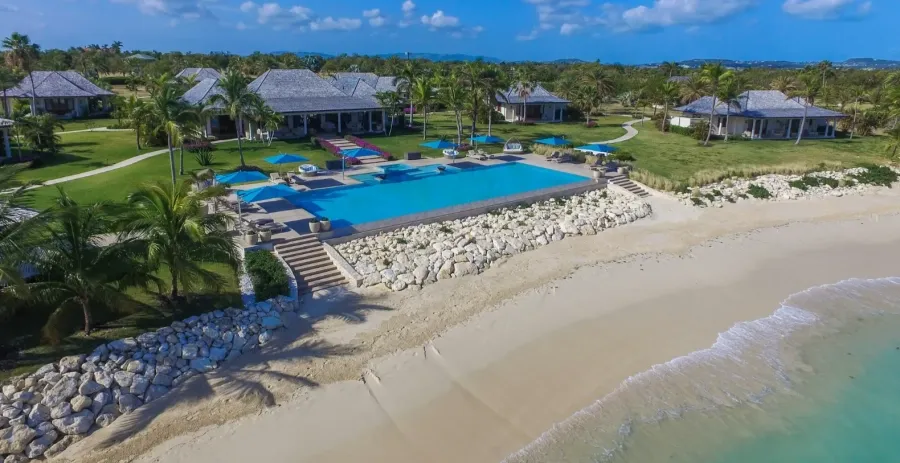
- Offshore: small islands, including Jumby Bay, a private island reached by boat.
Our guide to where to stay in Antigua compares them.
English Harbour and Nelson’s Dockyard
English Harbour, on the south coast, is one of the most sheltered natural harbours in the eastern Caribbean. The Royal Navy developed a dockyard there in the 18th century, and the restored Georgian buildings of Nelson’s Dockyard now sit within a national park. In 2016, UNESCO inscribed the Antigua Naval Dockyard and Related Archaeological Sites, including the fortifications at Shirley Heights, as a World Heritage site.
Inside the national park
The National Parks Authority, established in 1984, manages a protected area it describes as nearly 16 square miles around English Harbour. Beyond the Dockyard itself, its sites include the Dow’s Hill Interpretation Centre, Fort Berkeley, the Blockhouse, Monk’s Hill, Clarence House, the Middle Ground and Shirley Heights, a former signal station and lookout.
Published opening hours in September 2026 are Monday to Saturday, 08:00 to 17:00. The authority’s website lists guided tours rather than a general entrance fee: Clarence House at US$20 per person with a maximum of ten visitors per tour, and the Friday “Rum in the Ruins” sunset event at Dow’s Hill at 17:00 for US$25 including two drinks. Confirm the dockyard admission charge before travel; it is not published.
Shirley Heights Lookout lists its Sunday gathering from 16:30 to 21:30, as of September 2026. Staying in English Harbour puts all of this within walking distance; our guide to where to stay in Antigua compares it with the resort coast, and the best time to visit Antigua covers Sailing Week, when the harbour is at its busiest.
The beaches
Antigua is famously marketed as having 365 beaches, one for every day of the year. Whatever the exact count, the variety is real, from resort beaches to reef-protected bays. Read our guide to the beaches of Antigua.
Barbuda
Barbuda, the sister island to the north, is much smaller and quieter, known for its pink- and white-sand beaches and barrier reef. It is usually visited as a separate trip or day excursion.
Getting there and around
Most visitors fly into V. C. Bird International Airport, near St John’s. Distances on the island are short, but roads can be slow. See our guide to getting to Antigua.
When to go
The drier high season runs from around December to April, and sailing brings crowds in spring. Read the best time to visit Antigua.
What is Antigua, in one line? A beach-rich island with a historic sailing harbour, and knowing its coasts makes every other choice simpler. For a private-island stay just offshore, read our guide to Jumby Bay Island.