Best Time to Visit Whistler: A Seasonal Guide
Ski months, summer, the shoulder seasons and the holiday weeks that fill the village, month by month.
In this guide
The best time to visit Whistler is January to March if skiing is the point, July and August if you want lakes, alpine hiking and the bike park, and the second half of June or September if you want summer without peak crowds. December is festive and crowded, April is a gamble that often pays off for spring skiing, and the shoulder weeks in late spring and late autumn are quiet, cheap and partly closed. Nothing about snow or weather can be promised in a coastal mountain climate, so this guide works from published averages and season dates rather than predictions.
The best time to visit Whistler for skiing
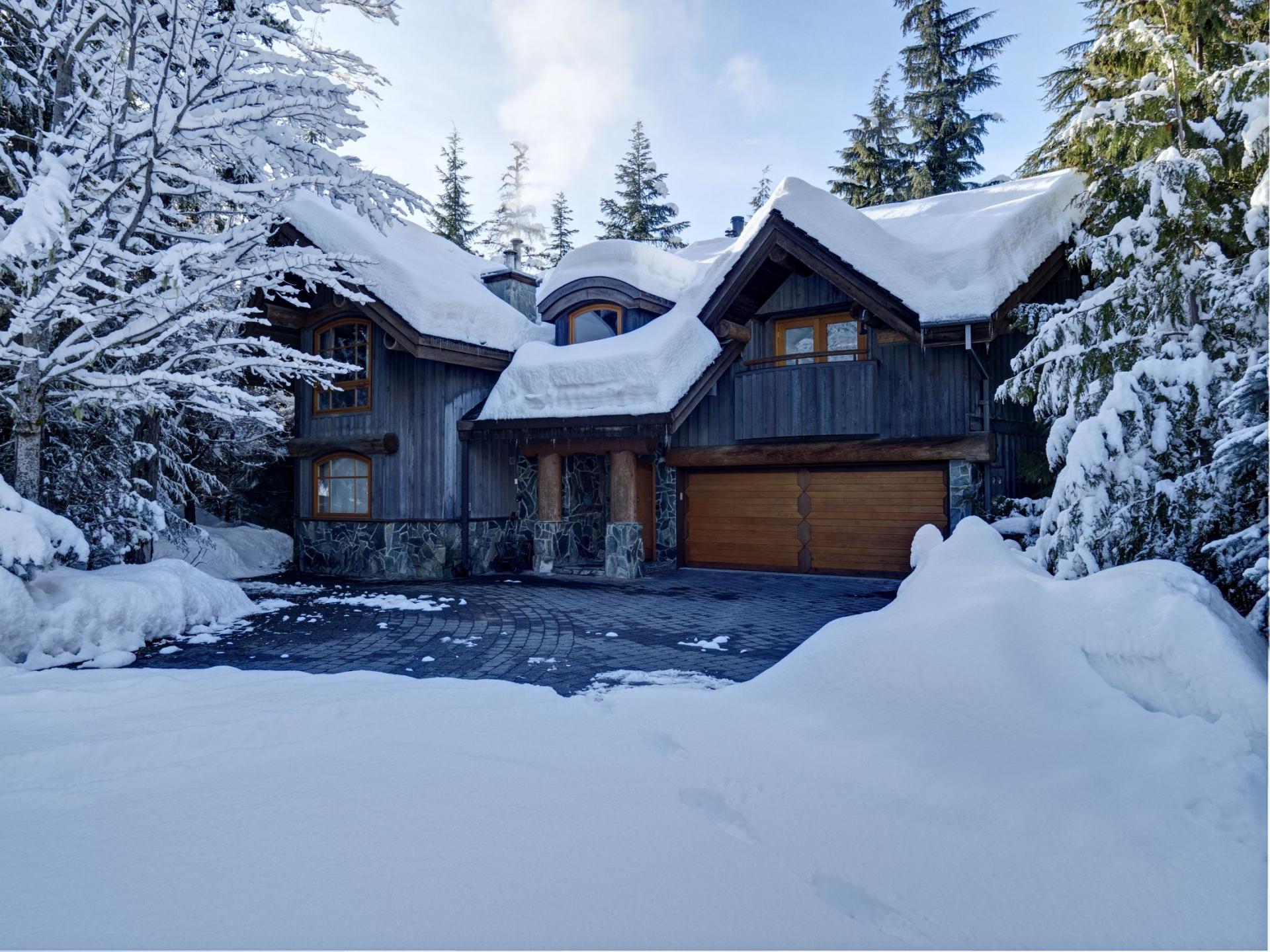
Whistler Blackcomb announced a planned opening day of November 20 for the 2026/27 winter, subject to weather and conditions, and in most years the season runs into April with some lifts operating later. The operator lists an average annual snowfall of 1,072 centimetres, and Tourism Whistler’s climate data shows the heaviest snowfall from November to March. Those two facts together define the reliable core: mid-December to the end of March.
- Late November to mid-December: the base is building and terrain is limited, but rooms are cheaper and lifts quiet. Suits flexible skiers who accept that upper alpine terrain may not be open.
- Christmas and New Year: the busiest and most expensive fortnight of the year. Suits families tied to school holidays who book six months ahead; poor value for anyone else.
- January: cold, short days, frequent snowfall and the quietest full-season weeks outside holidays. Valley highs average around freezing, and the alpine is 7 to 10 degrees colder. Good for confident skiers who do not mind grey days.
- February: often the best combination of snowpack and daylight, with one hard caveat: the BC Family Day long weekend (February 15 in 2027) coincides with the US Presidents’ Day weekend and fills the resort.
- March: longer days and a deep base, with spring break crowds from Canadian and US schools, usually in the second half of the month. Early March is the sweet spot for many.
- April into May: spring skiing on a reduced lift network, soft afternoon snow, sunny patios and much lower prices. Lower runs can be thin or closed. Good for value; not for a first, all-important ski week.
A coastal snowpack also means rain reaches the village in mild spells and the alpine can close in storms or high wind. Plan a ski week around at least five days so that one poor day does not spoil the trip. Lift, lesson and rental logistics are covered in our guide to skiing in Whistler.
Summer: lakes, trails and the bike park
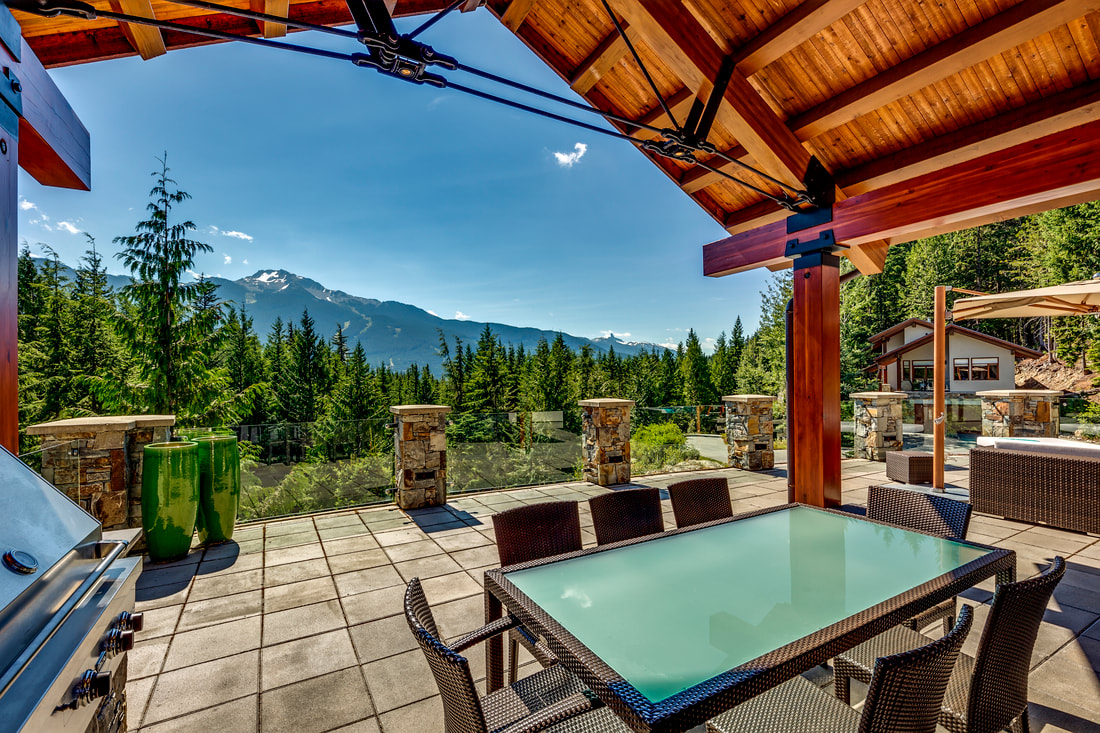
Summer in the valley is warm and comparatively dry, with average highs of 20 to 25 degrees Celsius from June to August. Whistler Blackcomb’s 2026 summer calendar ran Whistler Mountain sightseeing from May 16 to September 20, Blackcomb from June 13 to September 7, and the Whistler Mountain Bike Park from May 15 to October 12. The Peak 2 Peak gondola ran weekends only until mid-June and then daily to early September. Summer activity availability varies with weather, maintenance and the operator’s seasonal schedule. Check the published operating dates for your travel period before booking.
- Late May to June: green valley, snow still on the alpine trails, lake water cold, lifts on limited hours. Suits walkers, cyclists on the Valley Trail and anyone allergic to crowds.
- July and August: the fullest alpine hiking access, the warmest lakes, the widest choice of activities in a typical year, and the busiest summer period with Canada Day (July 1) and BC Day (August 2 in 2027) long weekends. Book accommodation and lake-day parking plans early.
- September: warm days, cool nights and fewer people after Labour Day (September 6 in 2027). In 2026, Blackcomb sightseeing closed on September 7 and Whistler Mountain sightseeing ran to September 20; check the published dates for your year.
Wildfire smoke from elsewhere in the province can affect air quality and views in July and August in some years; it is unpredictable and should not drive the booking, but it is a reason to keep summer plans flexible. For a comparison of what each summer activity actually involves, read our summer guide.
Shoulder seasons
Late April to mid-May and mid-October to mid-November are the resort’s quietest stretches. Lifts are closed or on maintenance, some restaurants close for a few weeks, and weather is unsettled. Prices are at their lowest and the village is calm. These weeks suit spa stays, low-elevation walks, work trips and travellers who simply want the mountains without an activity programme. They do not suit anyone whose trip depends on a lift being open.
Lake swimming is a summer-only proposition. The municipality notes that Lost Lake has no lifeguard and that the water can be cold, and that is in July; in the shoulder months it is colder still.
Crowds and prices by period
- Peak: Christmas to early January, the Family Day and Presidents’ Day weekend, spring break weeks in March, and the July and August long weekends.
- High but manageable: the rest of January to March, and July to Labour Day.
- Value: late November to mid-December, April, late May to June, September and October.
- Quietest: May and November.
Weather uncertainty and how to plan around it
Whistler’s climate is maritime. The valley sits at about 670 metres, so freezing levels rise and fall through the winter, and a week can hold powder, rain and sun in sequence. The published averages are useful for packing and for choosing a month; they are not a forecast. Build trips with more days than activities, keep an indoor option in reserve, and accept that a planned opening date is a target, not a guarantee. If you are still deciding whether the resort is the right fit at all, our introduction to Whistler covers the basics.
Summary by traveller
- Serious skiers: mid-January to early March, avoiding the Family Day weekend.
- Families with school-age children: Christmas or spring break, booked far ahead, or the first week of July.
- Hikers and lake swimmers: mid-July to early September.
- Mountain bikers: June to September, with the bike park open into October in 2026.
- Value and quiet: early December, April, June or late September.
The best time to visit Whistler is therefore a decision about priorities rather than a single answer: the core ski months for snow, high summer for the lakes and alpine, and the edges of each season for space and lower prices.