Anguilla with Kids: Beaches and Family Planning
Which accommodation works, how to get around, calm-water beaches versus exposed ones and the practical details
In this guide
Anguilla with kids works well if your family’s idea of a holiday is beach, sea and an early dinner, and less well if the children need organised entertainment every day. The island’s advantages for families are real: calm, shallow water on the leeward beaches for much of the year, few crowds, light traffic on a small road network and villa accommodation that gives everyone space. The trade-offs are that you will need a car, driving is on the left, medical facilities are limited and there are few attractions beyond the sea. This guide sets out how to plan around those realities.
Villa or resort for a family?
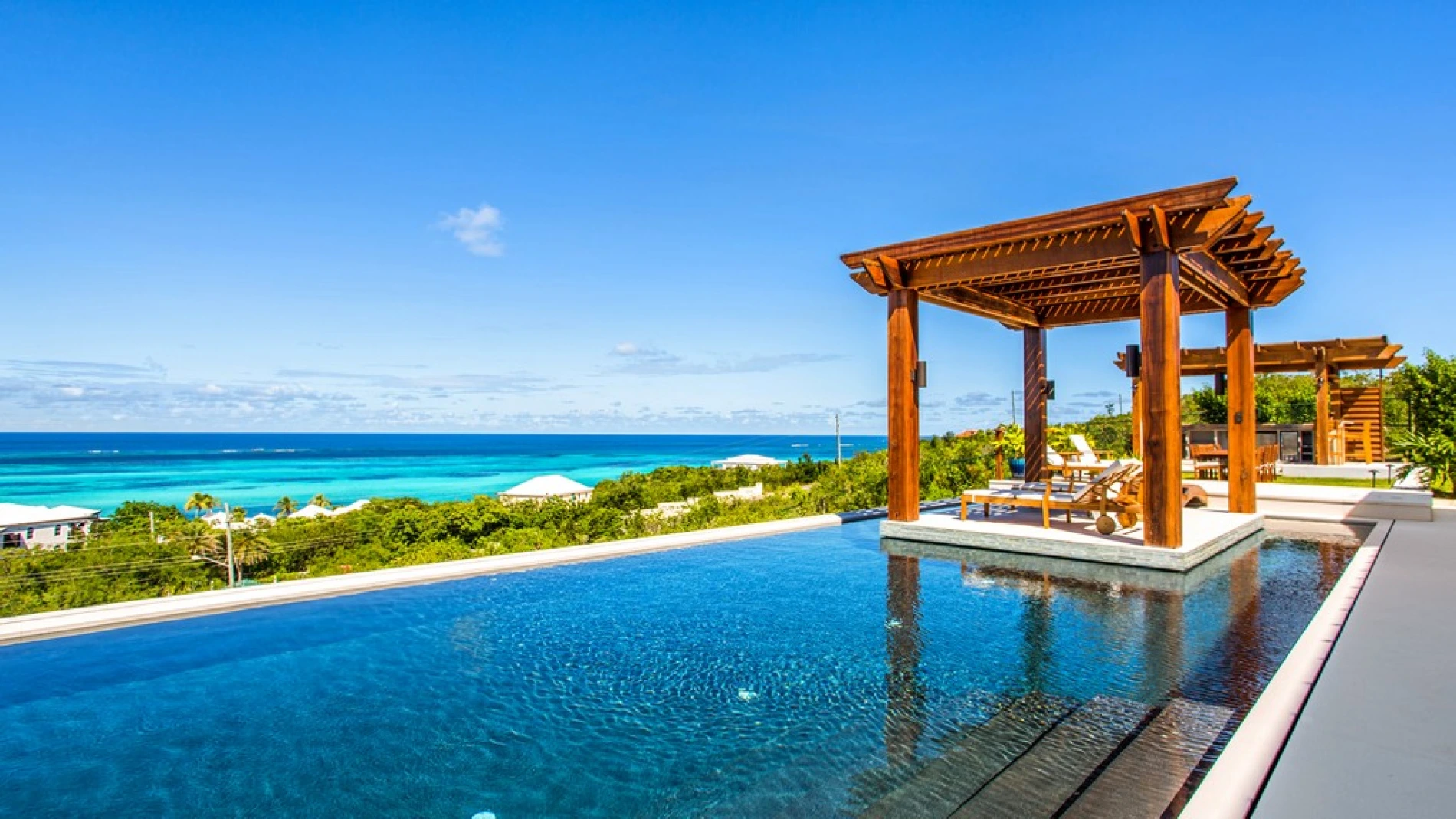
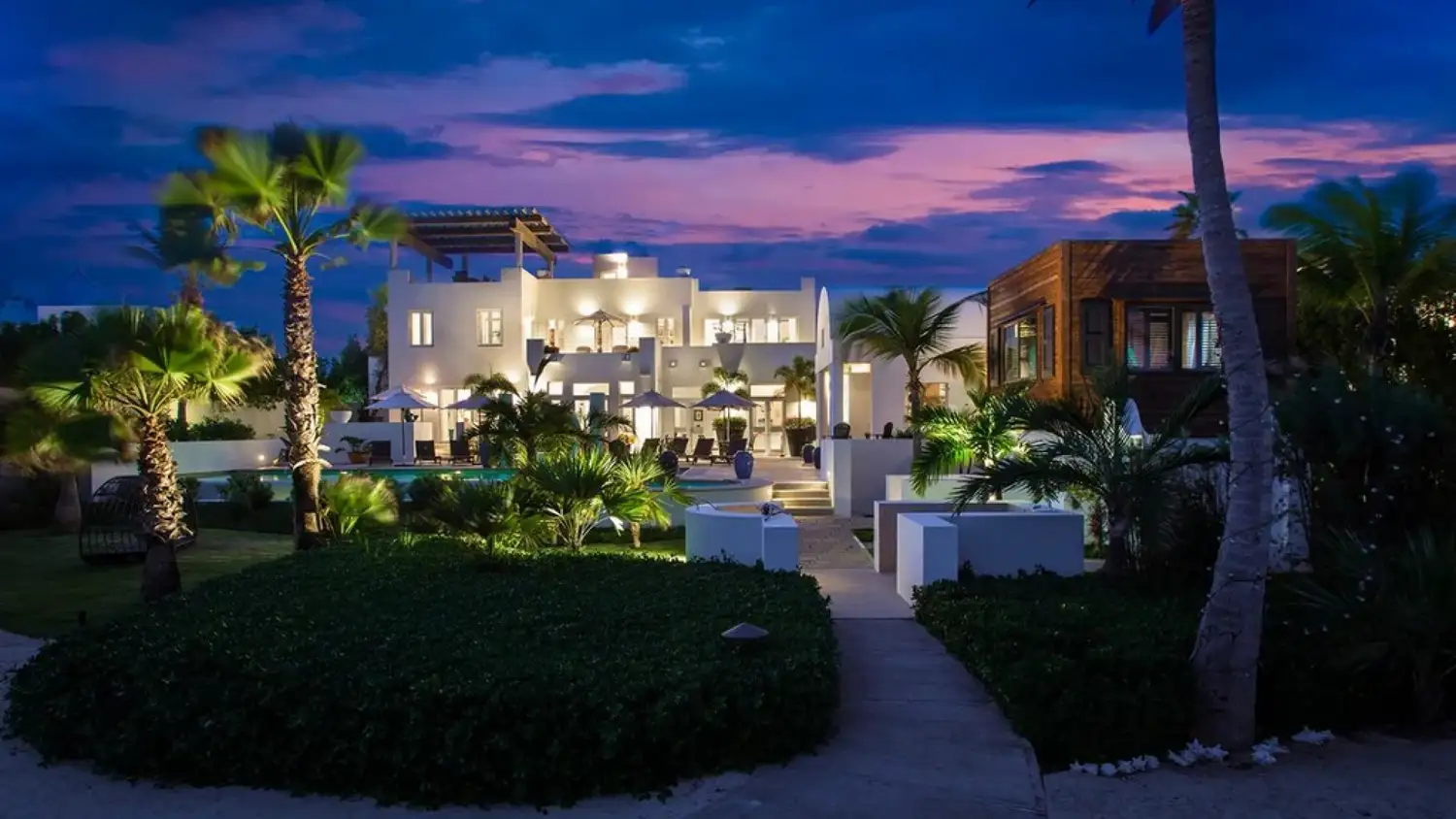
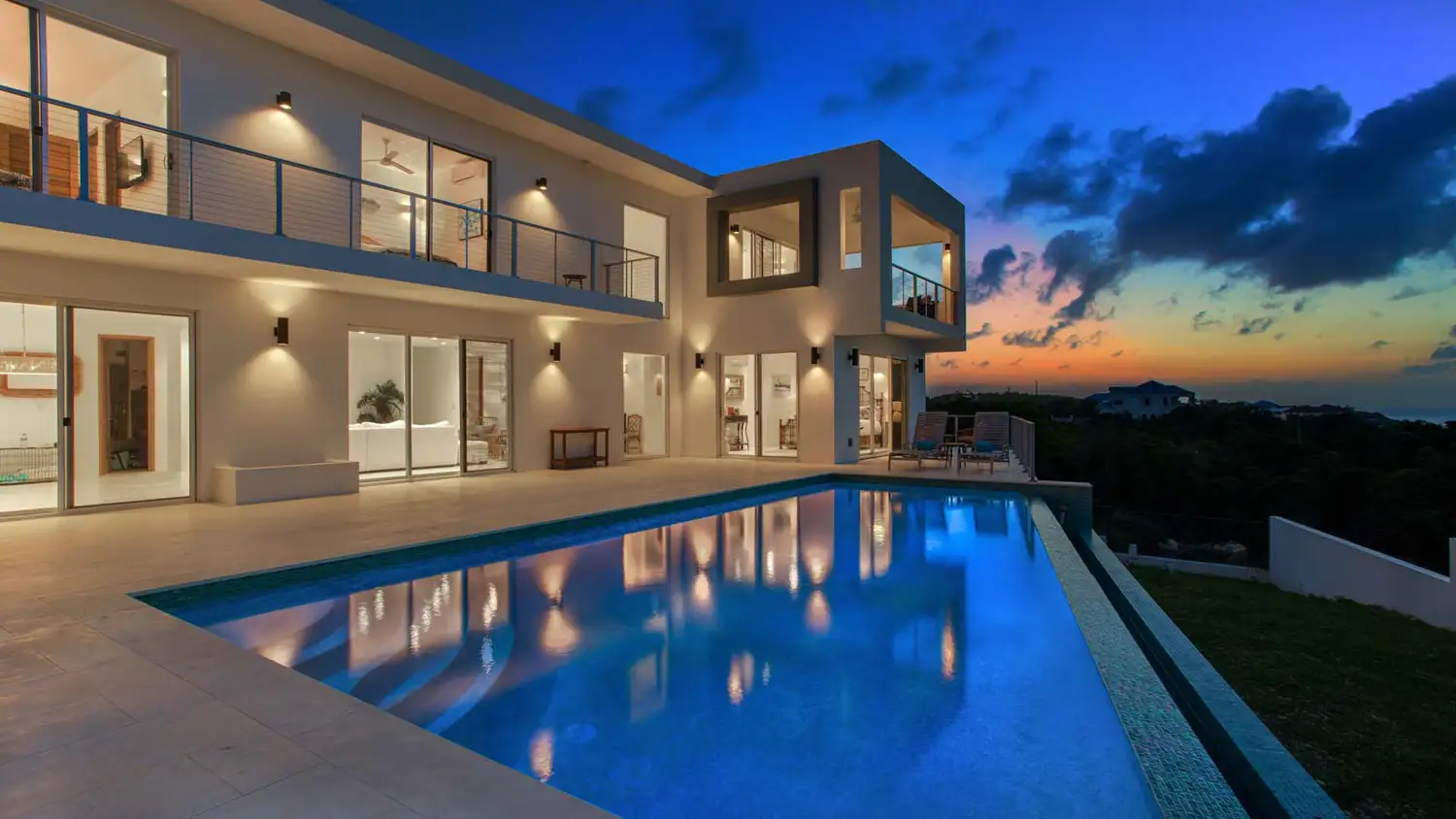
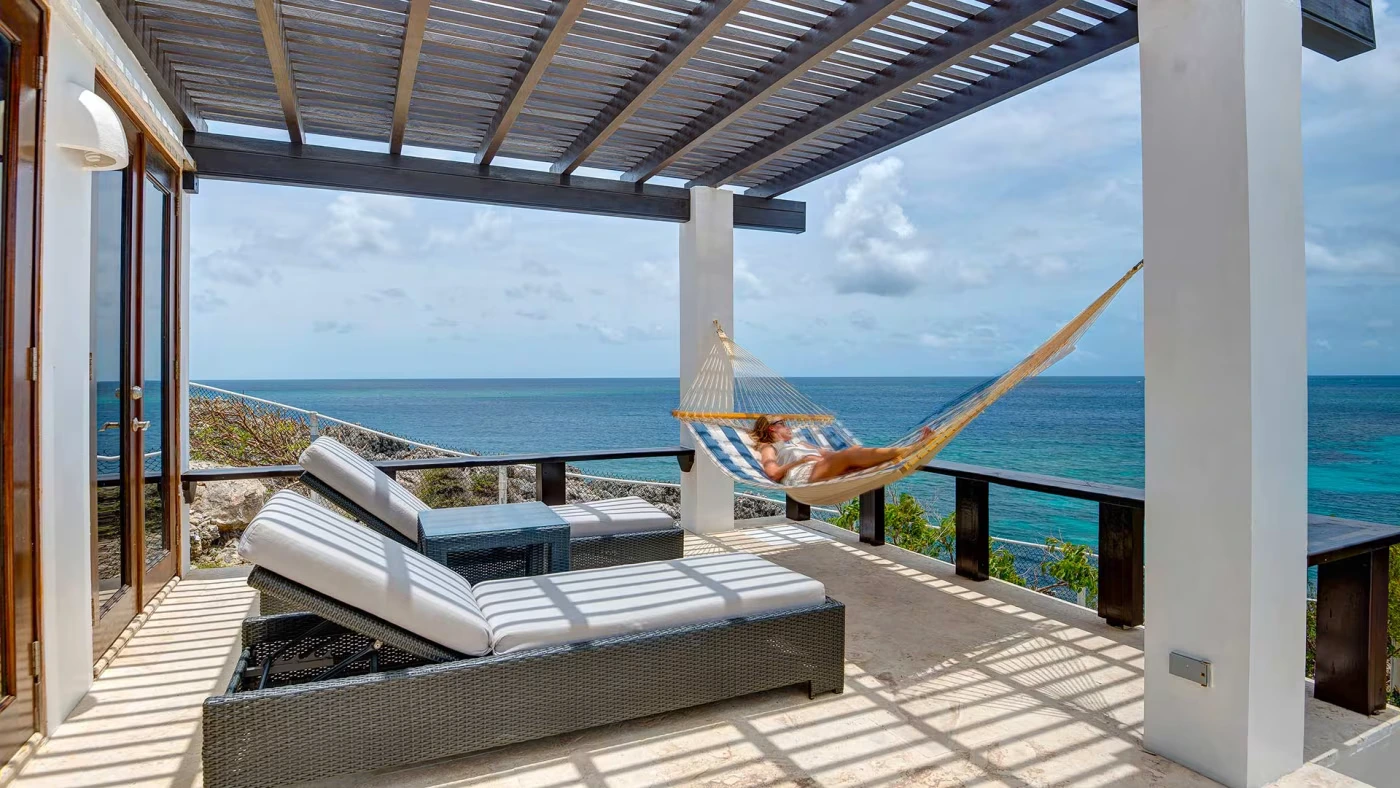
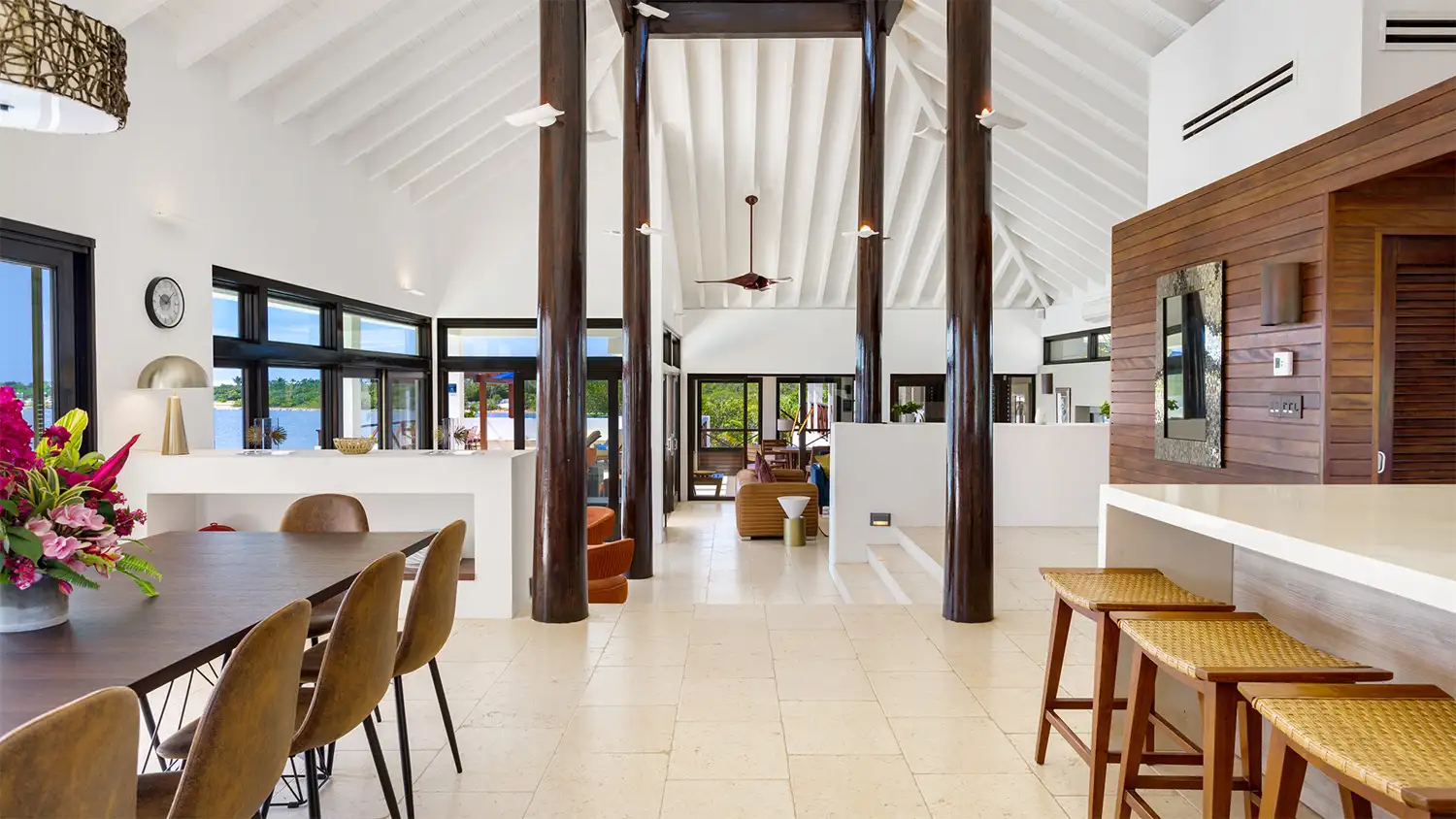
Many families visiting Anguilla with kids rent a villa. A house with a kitchen, a pool and separate bedrooms suits children’s routines, early breakfasts and naps far better than hotel rooms, and it keeps restaurant bills for the evenings you choose. The disadvantages are that you cook or arrange provisioning, you drive to every beach unless the villa is on one, and out-of-hours support depends on the property manager, so ask before booking who to call and when.
The West End resorts answer those problems with restaurants, beach service, water sports and in some cases children’s programmes, at a much higher nightly cost and with a more enclosed feel. Small hotels on Shoal Bay East and around Sandy Ground are a third option for shorter stays. Our guide to where to stay in Anguilla compares the areas; for families the key question is whether the beach outside the door is calm.
- Villa suits: families with children under five, groups of two or more families, stays of a week or longer.
- Resort suits: parents who want to switch off completely, short stays, families without a driver willing to drive on the left.
Getting around: car hire and left-hand driving
There is no public transport apart from taxis, which run on fixed, published fares. A car is close to essential for a family stay, because beaches, supermarkets and restaurants are spread along a 26 kilometre island. Driving is on the left, and the tourist board states that a valid home licence plus a temporary Anguillian licence is required; the rental company issues it at pickup for a small fee.
The UK Foreign Office notes that some rental cars are left-hand drive, which can make left-side driving harder for those unused to it. Roads are narrow, speeds are low and traffic is light, which helps, but stretches are unlit and the FCDO advises care after dark. Request child seats when you book, and confirm in writing, because availability is not guaranteed. Bikes are available from most hotels for older children, and the island is flat.
Anguilla with kids: calm-water beaches versus exposed ones
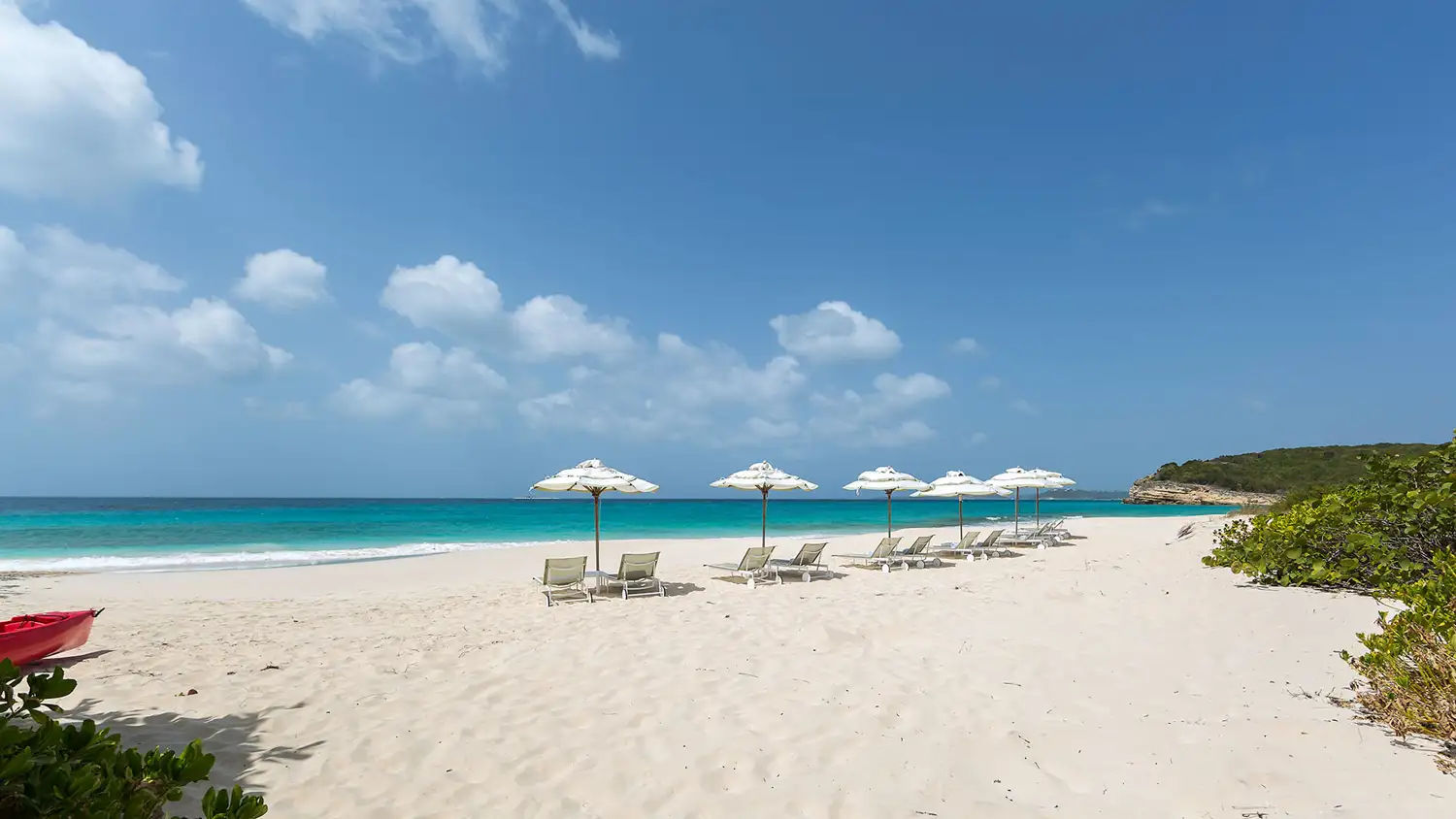
This is the decision that shapes a family’s days. The tourist board describes most Anguillian beaches as placid and calm with gentle shoals, but adds that the Atlantic-facing side produces surf in the winter months. In practice the south and west-facing bays, such as Rendezvous Bay, Maundays Bay and Cove Bay, tend to be the calmest, while north and north-east-facing beaches including Shoal Bay East and Meads Bay can pick up a shore break from December to March.
- Usually gentle: Rendezvous Bay, Maundays Bay and the sheltered West End coves; Sandy Ground inside Road Bay, though it is a working harbour.
- Usually gentle, reef-protected: Shoal Bay East, where an offshore reef calms the inner water most of the year; check the surf on winter mornings.
- Variable: Meads Bay and Barnes Bay, wonderful in summer, sometimes a dumping wave in winter swells.
- Avoid with small children: Captain’s Bay and the exposed north-east coast, where currents and waves are unpredictable.
Conditions change with the swell, so look before you unpack. Our guide to Anguilla’s beaches compares access, shade and facilities beach by beach.
Shade, sun and practical beach considerations
Natural shade is scarce on the wider beaches. Shoal Bay East and Sandy Ground have casuarina and sea-grape trees near the sand, and beach bars rent loungers and umbrellas, but on Rendezvous Bay and the resort bays you will rely on your own umbrella or the property’s. Bring a pop-up shade tent, rash vests and reef-safe sunscreen; the midday sun at 18 degrees north is strong all year.
Facilities are minimal. Public beaches rarely have toilets or showers, so plan around beach bars and restaurants. Tap water is potable according to the tourist board, though most visitors buy bottled. Note that nude and topless sunbathing is not permitted, and swimwear away from the beach is considered inappropriate.
Activities beyond the beach
Anguilla has no theme parks, zoos or large attractions, and that is part of its appeal. What it does have is the sea. A shuttle boat runs ten minutes from Sandy Ground to Sandy Island, a sandbar with a restaurant that children generally love; Scilly Cay is three minutes from the Island Harbour wharf; and Prickly Pear, about 20 minutes out, has snorkelling and a beach. Glass-bottom boat trips, kayaking on the calm bays and beginner snorkelling off Shoal Bay East fill the remaining days.
On land, the island’s flat roads suit cycling for older children, Island Harbour’s fishing boats are worth a visit in the late afternoon when the catch comes in, and Sandy Ground’s beach bars have early-evening live music in season that families can enjoy before bedtime. Older teenagers may find the island too quiet after a week.
Health, safety and getting there with children
Medical facilities are limited. The UK Foreign Office describes two small hospitals and a few clinics, notes that visitors pay for treatment and that serious cases are transferred to neighbouring islands, and advises checking vaccine recommendations at least eight weeks before travel. Mosquito-borne illnesses including dengue and Zika are present, so bring repellent and cover up at dusk. Comprehensive travel insurance including medical evacuation is essential for a family.
Arriving via St Maarten involves a boat crossing of 15 to 25 minutes, which most children enjoy but which can be choppy in winter. Ask your airline or boat operator for a complete written quote and confirm accepted payment methods before travelling. Read getting to Anguilla for the full transfer choices, and book a shared airport boat rather than the public ferry if you have a pushchair and luggage.
Practical summary for families
Rent a villa or a resort on a calm bay, hire a car with child seats confirmed, choose beaches by the direction they face and the season, bring your own shade and repellent, and treat the boat trips as the highlights. Planned that way, Anguilla with kids is one of the simpler Caribbean family holidays: quiet, low-key and built around the water rather than around a schedule.