What Is Anguilla? A First-Time Visitor’s Guide
A small British Overseas Territory north of St Martin, built around beaches, villas and quiet evenings
In this guide
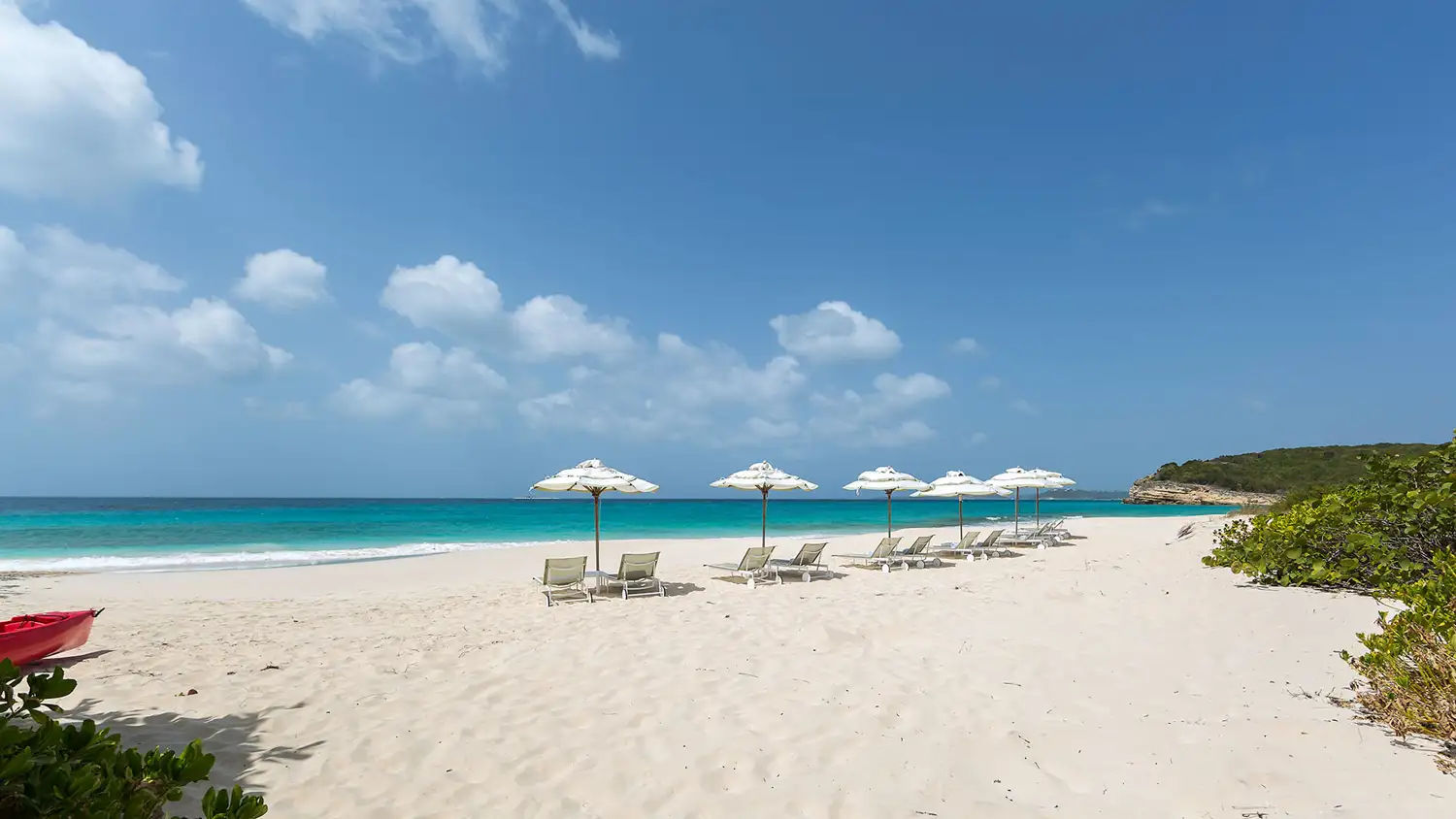
What is Anguilla? It is a small, flat British Overseas Territory at the northern end of the Leeward Islands, about nine miles north of St Martin, with a population of around 16,000 and a capital, The Valley, that is closer to a large village than a city. Visitors come for long white-sand beaches, a settled villa and small-resort culture, and an island that stays quiet after dark. It is not a cruise port, a shopping destination or a nightlife island. If that sounds appealing, the rest of this guide explains how the place works and who it suits.
What is Anguilla, exactly?
Anguilla is British territory with its own elected government, its own police force and no British embassy, because none is needed. The island measures roughly 26 kilometres long by 5 kilometres wide, and its highest point, Crocus Hill, is only 73 metres above sea level. There are no mountains, no rainforest and no rivers, which is why the sea is so clear: very little runoff reaches the reefs.
English is the official language, the Eastern Caribbean dollar is the currency and US dollars are accepted almost everywhere. The island runs on Atlantic Standard Time (UTC-4) all year, and electricity is 110 volts with US-style sockets. Tap water is potable according to the tourist board, though most visitors drink bottled.
Most arrivals come through St Maarten, either on the public ferry from Marigot to Blowing Point or on a shared boat from the airport dock. Our guide to getting to Anguilla covers the choices in detail, including the direct flights to the island’s own small airport at The Valley.
The atmosphere: what you get and what you do not
The defining feature of Anguilla is restraint. The tourist board itself describes the dress code as casual but in good taste, and swimwear away from the beach is frowned upon. Evenings are dinner, a beach bar with live music on certain nights and an early bed. There is no strip of clubs, no casino culture and, outside festival weeks, very little that could be called a crowd.
This suits couples, multigenerational families and anyone who wants to read, swim and eat well without an itinerary. It does not suit travellers who want a walkable town, shopping, or a different excursion every day. Neighbouring St Martin provides the shops and the bustle, and it is a short ferry ride away, but you will not find it on Anguilla itself.
- Who it suits: beach-first travellers, families with a car, couples, groups renting a villa together, food-focused visitors.
- Who it frustrates: visitors without transport, travellers who want a town centre, anyone expecting nightlife beyond a few beach bars.
- The trade-off: space, quiet and exceptional beaches in exchange for higher prices and less to do on land.
The island’s areas in brief
The tourist board divides the island into a handful of zones. The West End is described as the heart of the tourism industry, with the main resorts strung along Meads Bay, Barnes Bay, Maundays Bay, Rendezvous Bay and Cove Bay. The Valley in the centre holds the airport, government offices, banks and supermarkets. Sandy Ground on the north coast is the island’s main port and beach-bar village. The east end is quieter, with the long beach at Shoal Bay East and the fishing village of Island Harbour.
Because the island is so narrow, none of these areas is far from another, but each has a distinct feel. We compare them properly in where to stay in Anguilla, which is the article to read next if you are choosing a base.
Accommodation choices: resorts, villas and small hotels
Anguilla’s accommodation splits into three broad types, and the choice shapes the whole trip.
- Full-service resorts: concentrated on the West End beaches. They suit visitors who want restaurants, water sports and service on site, and who do not plan to drive much. The disadvantage is cost and a more enclosed experience.
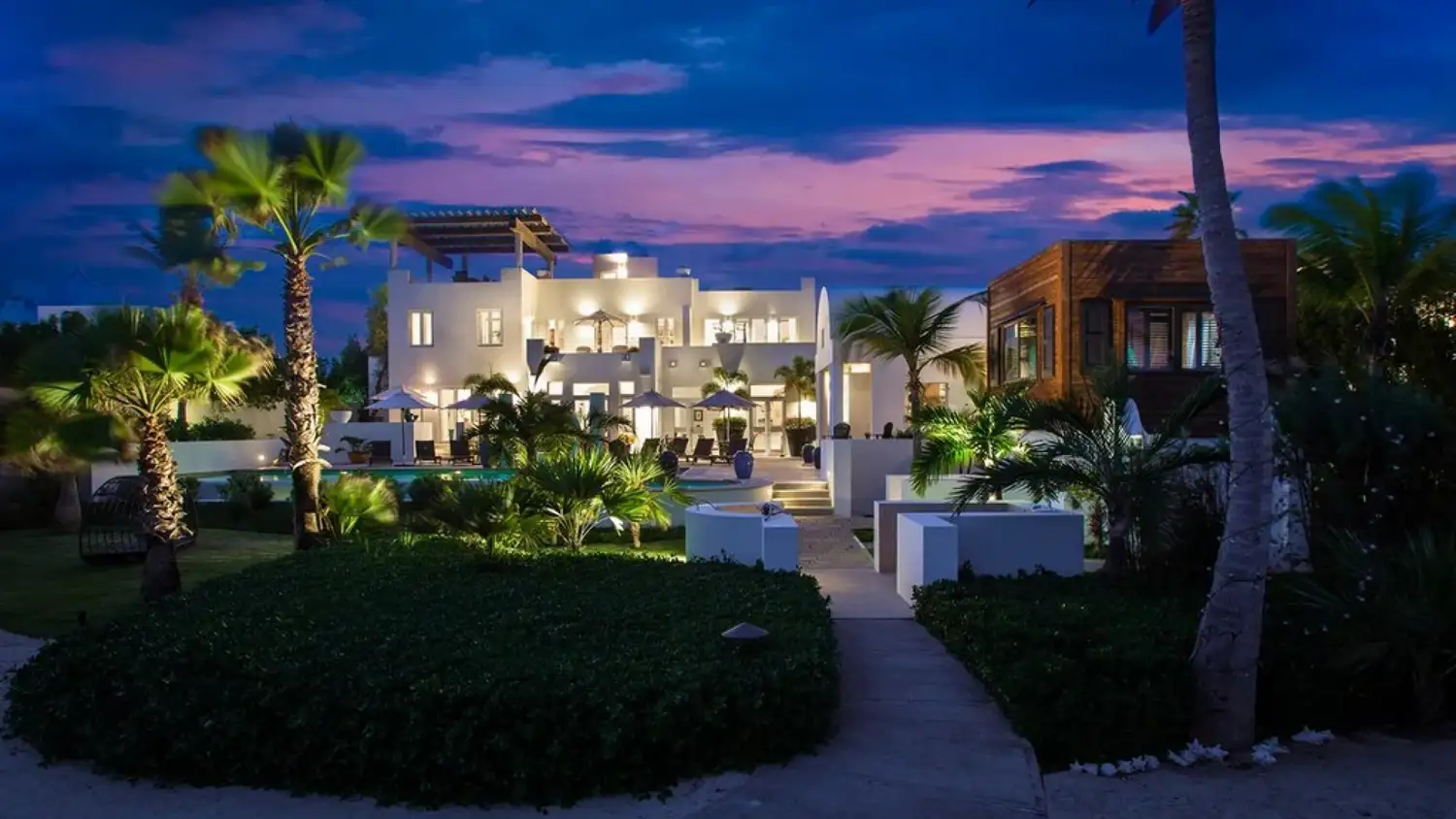
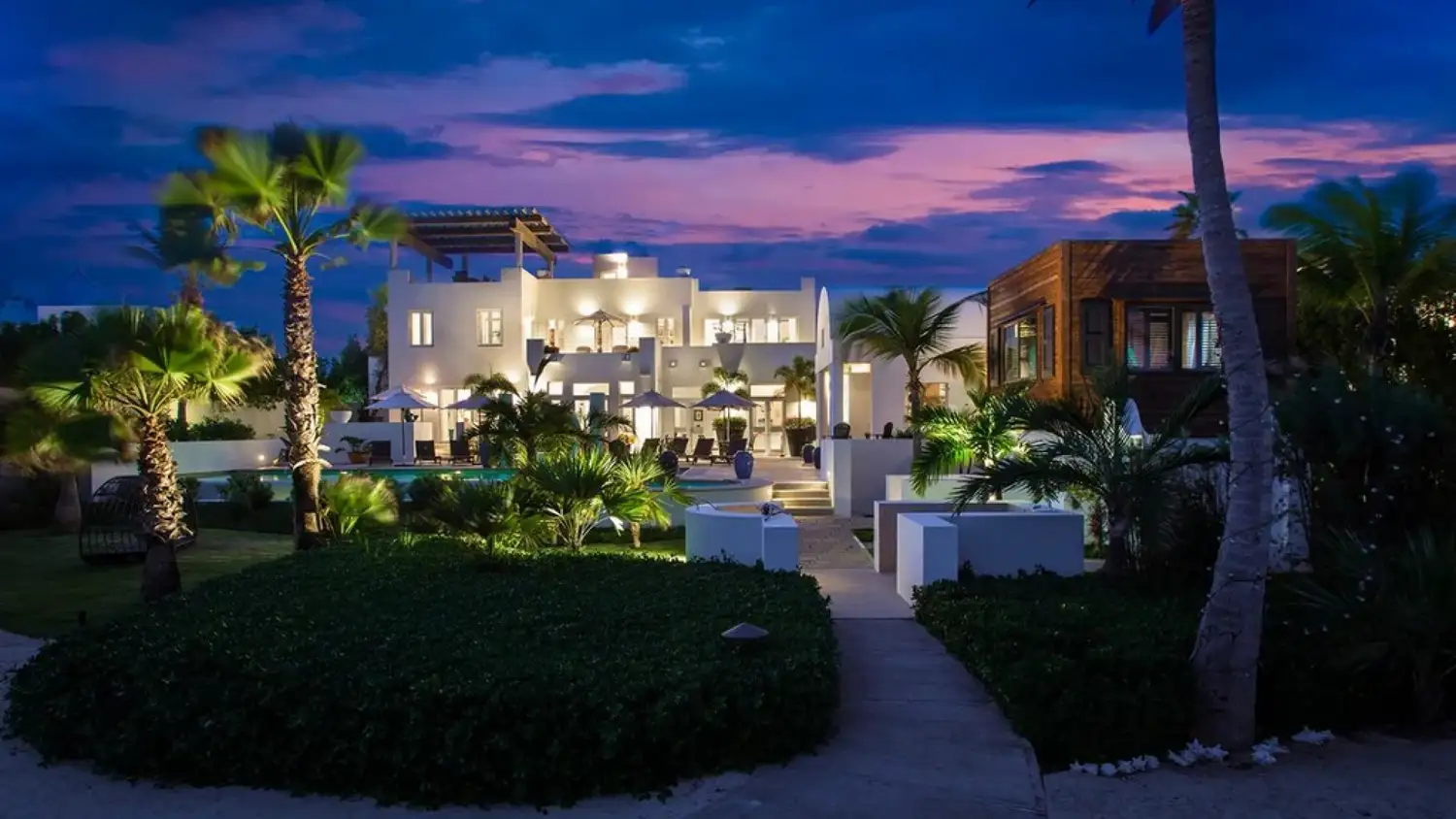
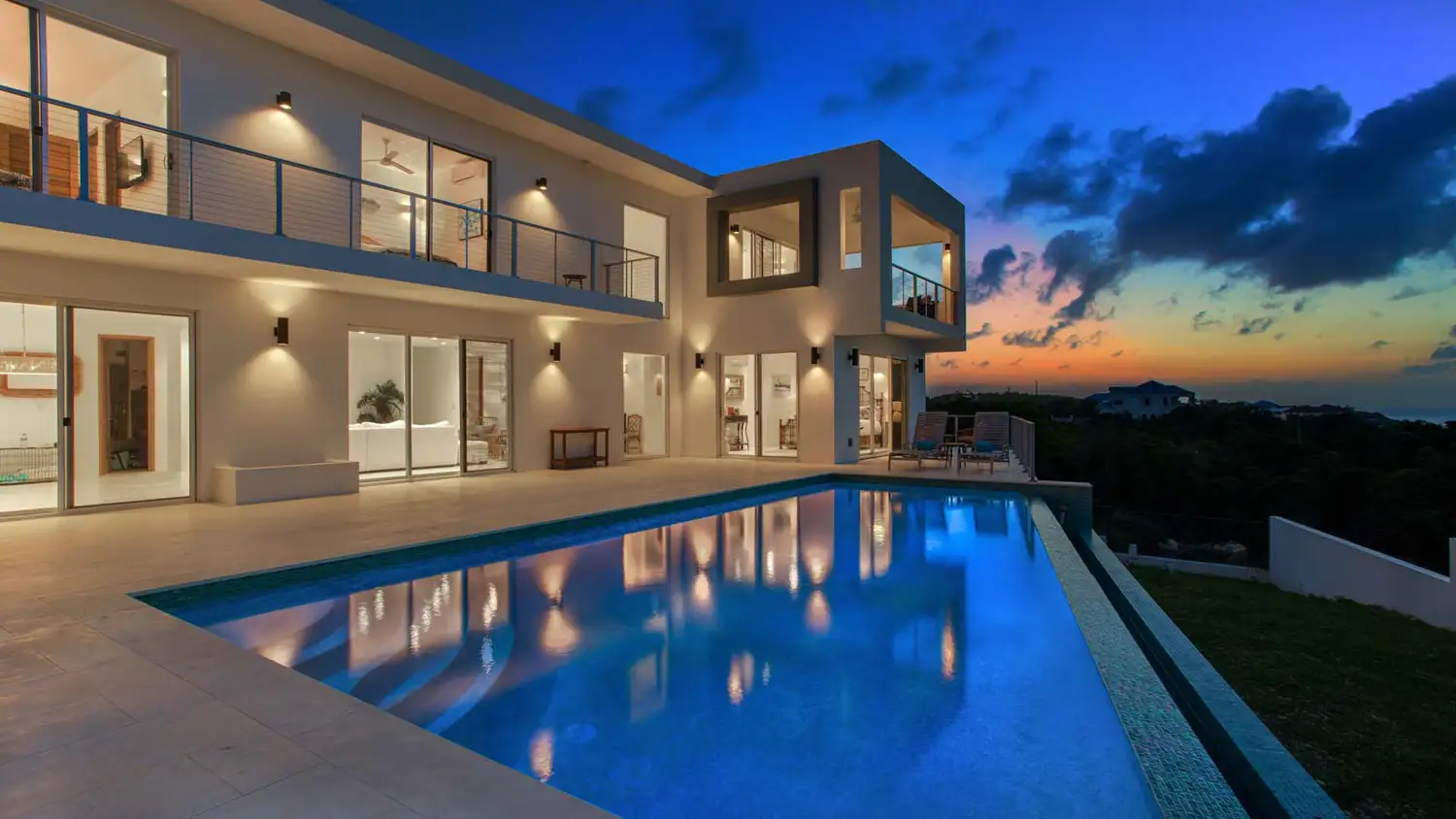
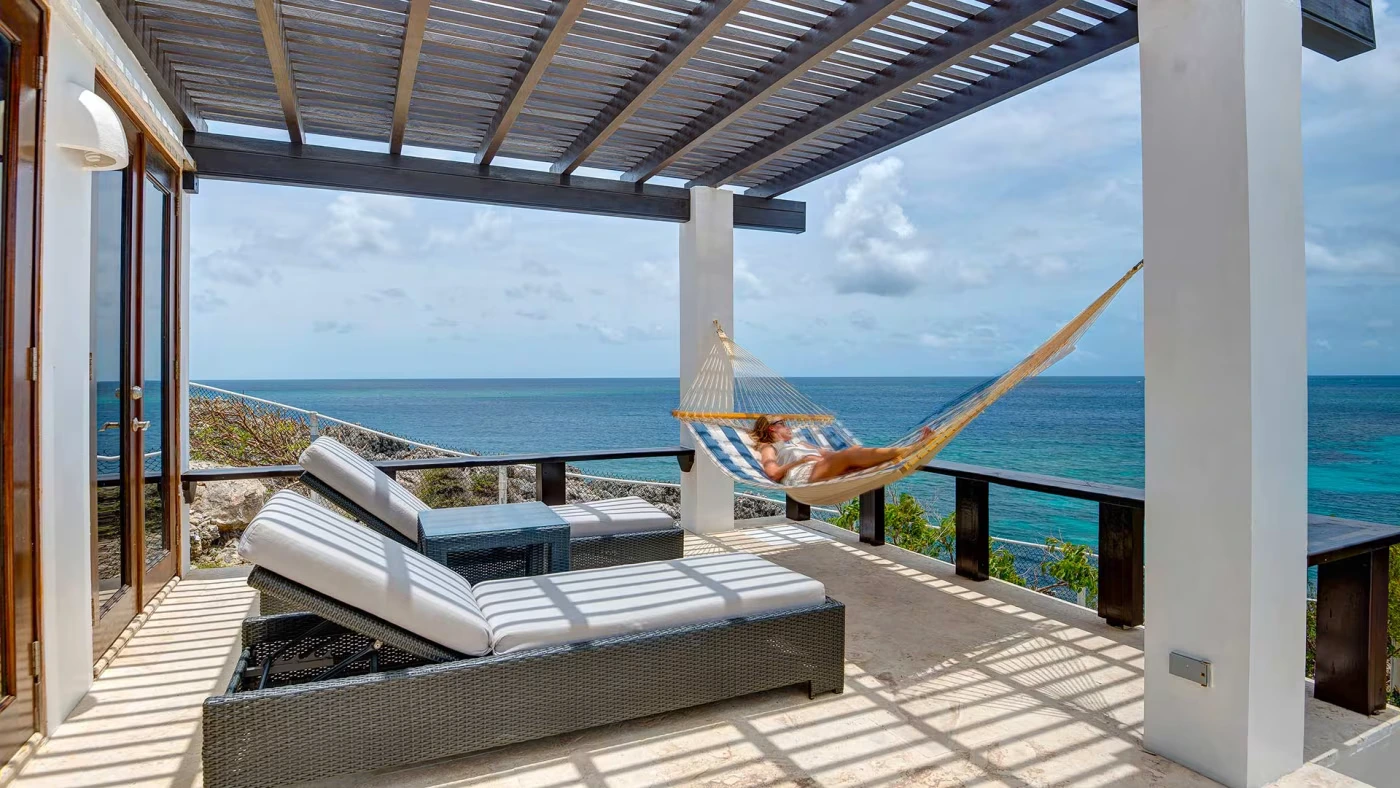
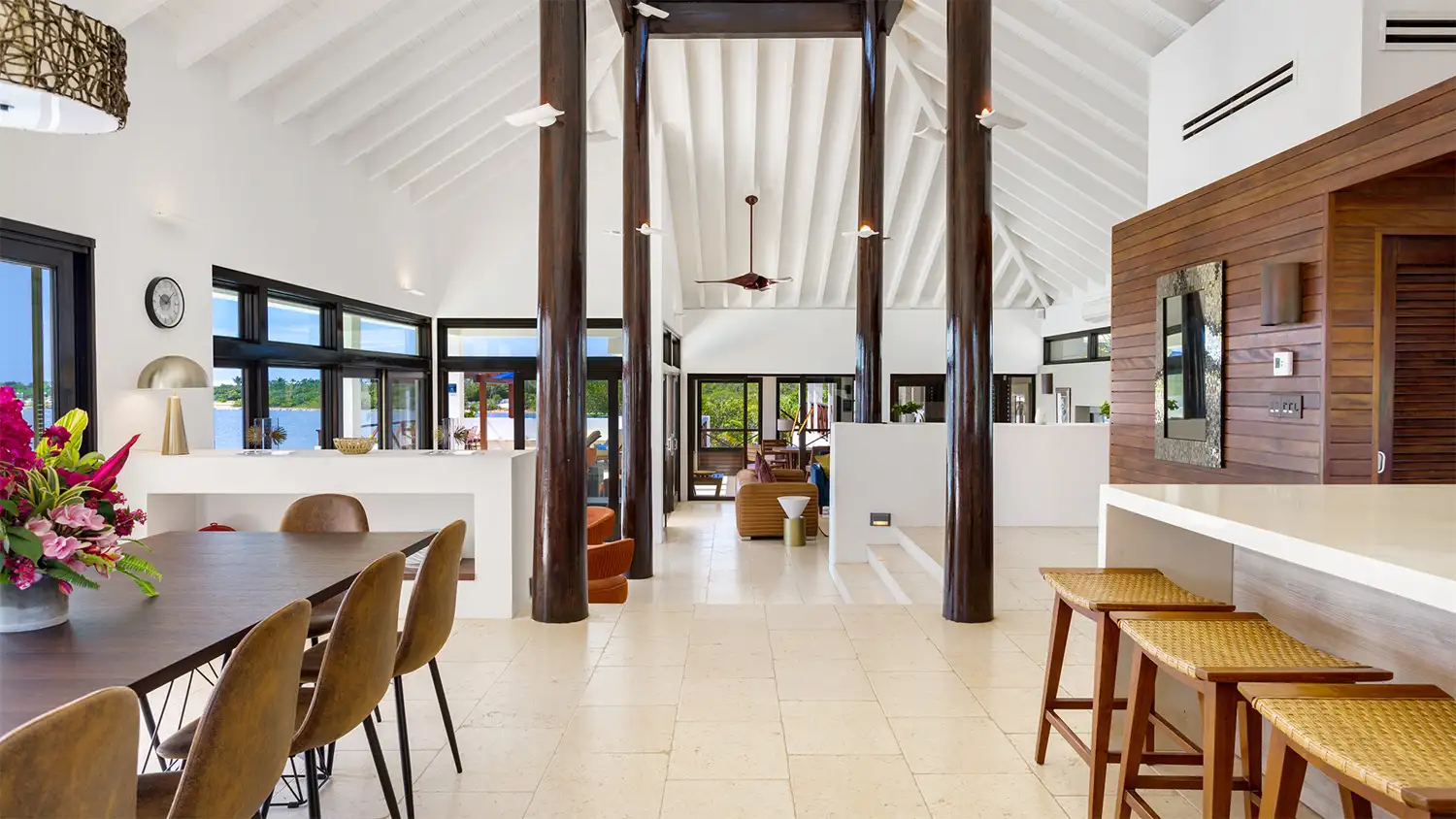
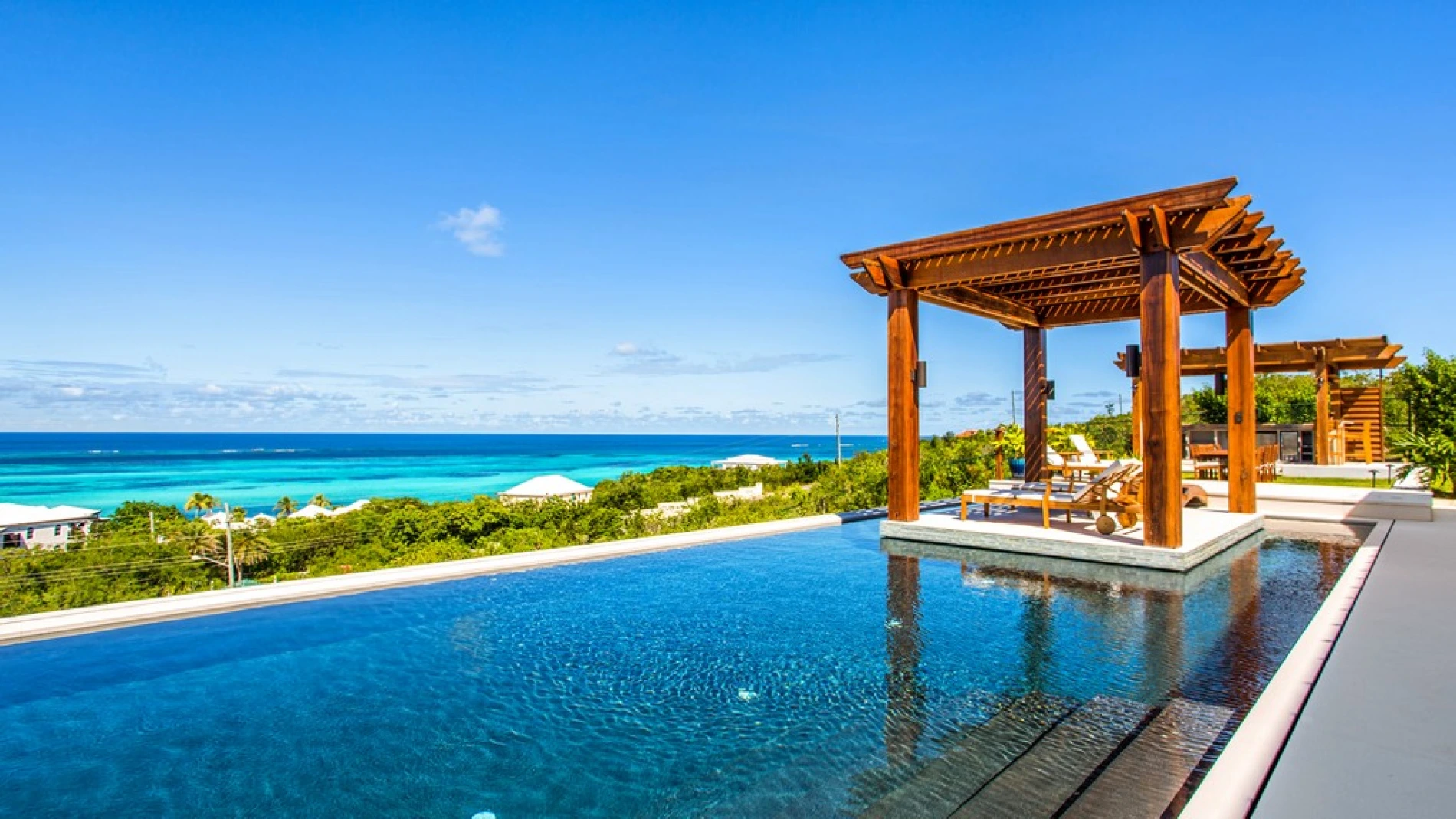
- Private villas: the island’s most common luxury format, from West End estates to hillside houses above Shoal Bay. They suit families and groups who want kitchens, privacy and a pool. The disadvantage is that you must hire a car, shop for groceries and organise your own evenings.
- Small hotels and guesthouses: scattered across the island, including several on or near Shoal Bay East and Sandy Ground. They suit shorter stays and travellers who prefer a village setting. Facilities are limited compared with the resorts.
Practicalities of an island stay
There is no public transport apart from taxis, which run on a fixed, published fare schedule. Most visitors staying more than a few days hire a car. Driving is on the left, and a temporary Anguillian licence is required according to the tourist board; rental companies issue it for a small fee when you collect the vehicle. Roads are mostly paved but narrow, and after dark they are poorly lit.
Shopping is functional rather than recreational. Supermarkets in The Valley and along the main road stock imported goods at island prices, and villa guests often arrange pre-arrival provisioning. Restaurants are the island’s main evening activity, so budget for them; many close for part of the low season, which is one reason to read our seasonal guide to Anguilla before fixing dates.
The climate is warm year-round. The tourist board notes that the rainy season usually falls in September and October, with February and March the driest months. The Atlantic hurricane season runs from June to November, and the island has been hit hard in the past, so travel insurance that covers weather disruption is sensible for any summer or autumn trip.
Is Anguilla the right island for you?
Choose Anguilla if beaches are the point of the trip, if you are happy to drive on the left and if a quiet evening with a good dinner is your idea of a holiday. Look elsewhere if you want a lively town, cheap eating or a large choice of organised excursions. The practical answer to what is Anguilla is a beach island run at a low volume, expensive but uncrowded, and easiest to enjoy with a car, a villa or resort base and realistic expectations about the pace.