What Is Costalegre? Jalisco’s Quiet Coast Explained
Around 330 kilometres of Jalisco coast with no resort strip: how Careyes, Chamela Bay, Cuixmala and Tamarindo fit together.
In this guide
In short
Costalegre, also written Costa Alegre, is the lightly developed Jalisco coast between Puerto Vallarta and Manzanillo, about 330 km long and linked by Highway 200. Its places to stay are private enclaves, among them Costa Careyes, Las Rosadas on Chamela Bay, Cuixmala and Tamarindo, separated by dry forest and long drives.
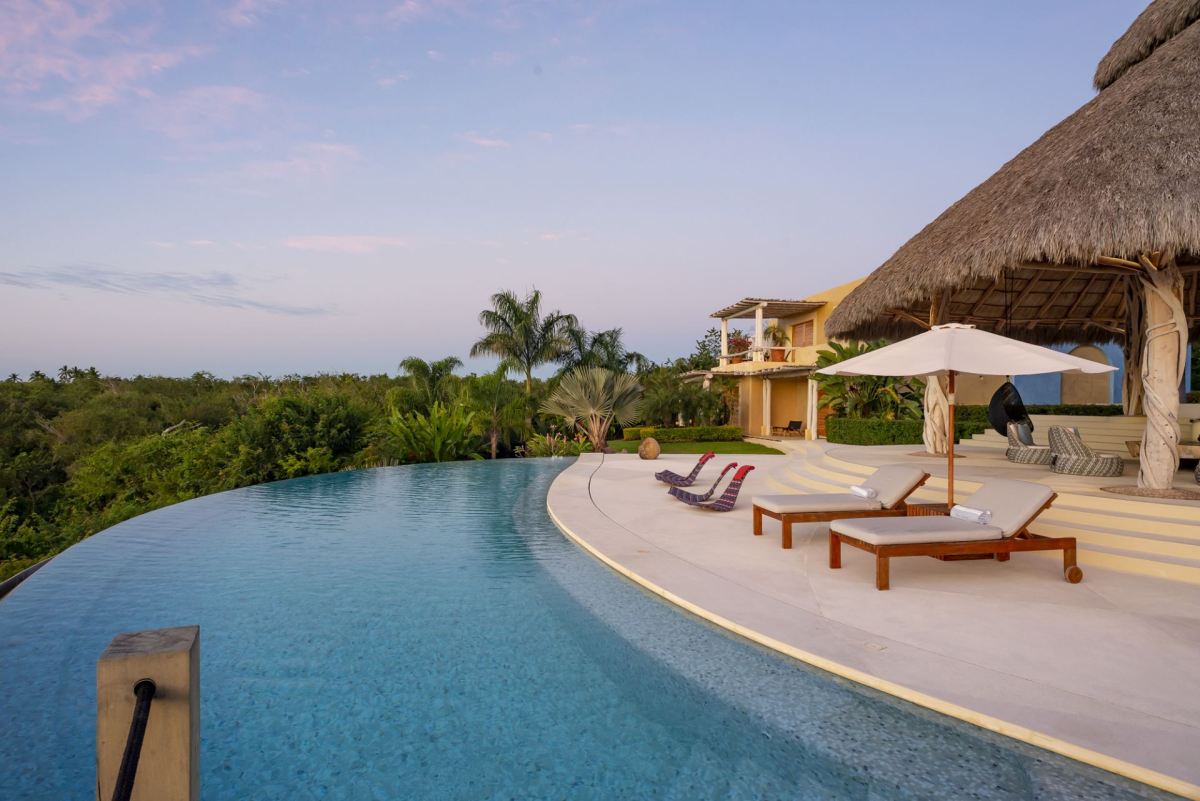
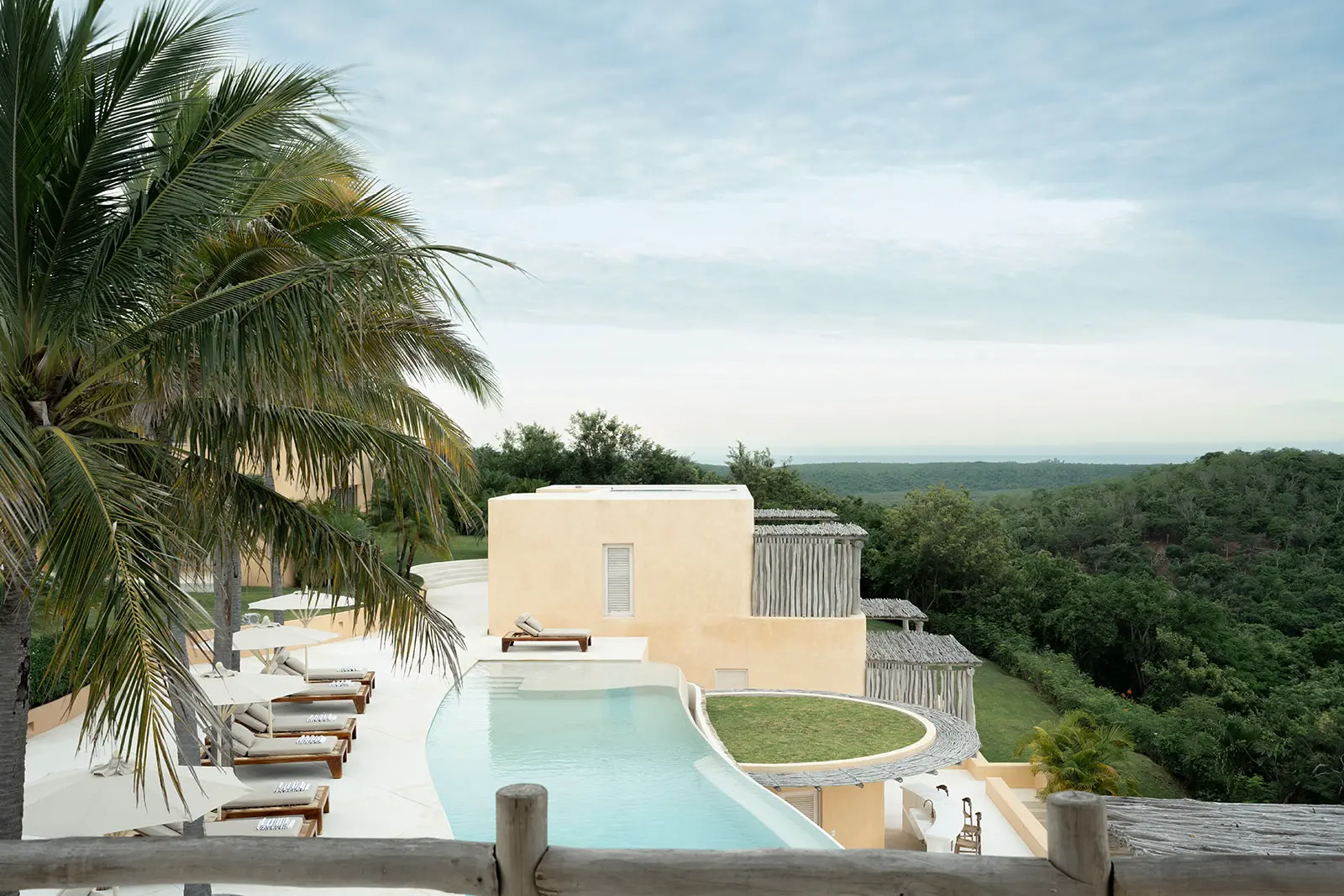
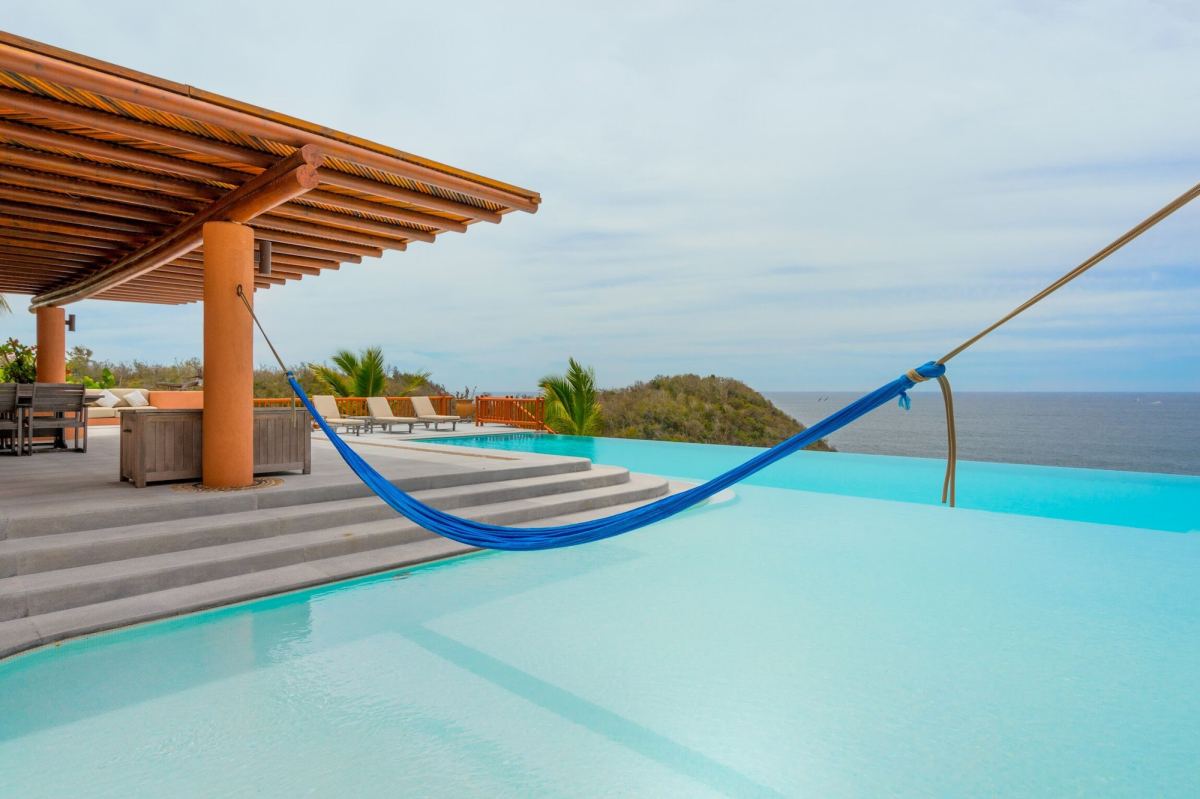
What is Costalegre? It is the long, lightly developed stretch of Jalisco’s Pacific coast between Puerto Vallarta and Manzanillo, also written Costa Alegre, where jungle-covered hills run down to empty beaches and the handful of places to stay are private enclaves rather than towns. It is one of Mexico’s most discreet luxury coasts: there is no resort strip, no cruise port and little nightlife, and that absence is exactly why people come. Knowing how the coast is laid out, and how far apart its enclaves are, is the starting point for any trip.
Where the Costalegre runs
The Costalegre covers roughly 330 kilometres of coastline in southern Jalisco, from the edge of Banderas Bay south of Puerto Vallarta to the Colima border near Manzanillo. Federal Highway 200, completed along this coast in the early 1970s, is its spine: a two-lane road that runs inland for long stretches and drops to the sea at bays and river mouths. Between those points, much of the shoreline is protected land, private estates or simply undeveloped.
What is Costalegre made of? The main enclaves
- The northern coast, in Cabo Corrientes, with boat-access beaches such as Yelapa, Quimixto and Las Ánimas close to Puerto Vallarta, and Mayto, known for one of Mexico’s large protected sea turtle nesting beaches.
- Chamela Bay, a broad bay with small islands, and Las Rosadas, a private community of homes opened on its shore in 2015.
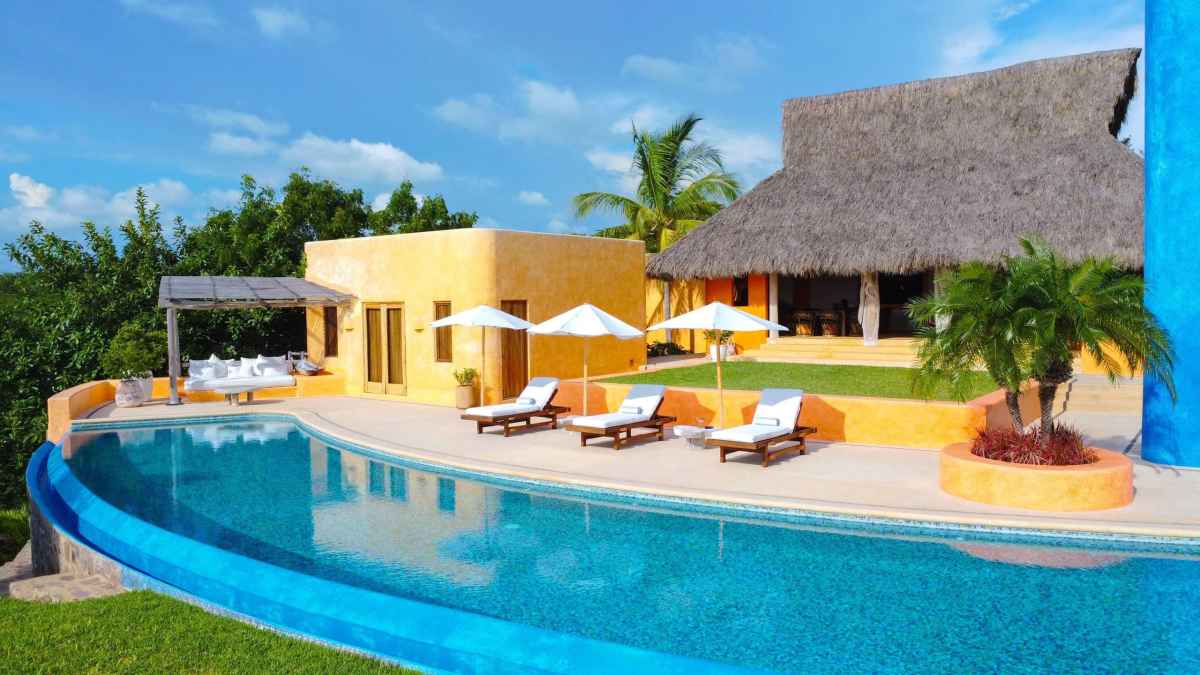
- Costa Careyes, the private estate founded in 1968, known for its coloured villas and casitas on the cliffs; see Costa Careyes.
- Cuixmala, about ten minutes south of Careyes, an estate now run as an eco-resort.
- The Chamela-Cuixmala Biosphere Reserve, protected dry forest and coast inland and between these estates; see the Chamela-Cuixmala Biosphere Reserve.
- Tenacatita and Tamarindo, further south, where one of the largest bays on this coast lies near the Four Seasons Resort Tamarindo, opened in 2022 within a reserve of about 3,000 acres.
- Barra de Navidad, a small fishing and farming town at the southern end, close to Manzanillo’s airport.
How a Costalegre trip is different
Distances are the first surprise. Enclaves that sit side by side on a map can be a long drive apart, and there is no town in between with a choice of restaurants. Most visitors therefore choose one base and stay there, eating at their villa or resort and using its staff, boats and horses rather than moving around. That makes the choice of house, and of who cooks, more important than almost anywhere else in Mexico; our guide to fully staffed villas in Mexico explains what a full household team usually includes.
The second difference is nature. The coast is backed by tropical dry forest, which turns bare and grey in the dry months and bright green once the rains arrive, and several beaches are nesting sites for sea turtles. Days here revolve around the water, the forest and long lunches rather than sights.
Costalegre and Puerto Vallarta compared
The Costalegre is often mentioned in the same breath as Puerto Vallarta, but the two could hardly be more different. Puerto Vallarta is a city, with a historic center, restaurants on every street and an airport minutes from most neighborhoods. The Costalegre begins where that ends: a coast of private estates and protected land, a long drive or a smaller airport away, where evenings are spent at home. Many travelers combine them, with a few nights in the city on the way in or out, and a longer stay on the coast.
Getting there and when to go
Travelers usually fly into Manzanillo-Costalegre International Airport for the southern and central enclaves, or Puerto Vallarta for the northern coast and for more flight choice, followed by a long drive. Our guide to getting to Costalegre compares the options. The weather follows the rest of this coast: a dry season through winter and spring and a rainy season from summer into autumn; see the best time to visit Costalegre.
Who the Costalegre suits
- Travelers who want privacy above all, and are happy to stay put in one beautiful place.
- Families and groups taking a whole house with staff, where the villa becomes the destination.
- Nature lovers, drawn by the dry forest, turtle beaches and quiet coves.
- Less suited: anyone who wants restaurants, shopping or nightlife within walking distance, or a short, easy transfer.
So what is Costalegre, in the end? A coast for people who want to disappear for a while, in comfort. To choose a base, read where to stay in Costalegre; for its best-known enclave, start with Costa Careyes.