What Is Tulum? The Town, the Beach Zone and the Coast Explained
How the town, the beach zone, the residential areas and the quieter bays fit together before you book.
In this guide
Many travelers picture Tulum as a single beach town, but the name covers several quite different places. There is the town, inland along the highway. There is the beach zone, a strip of hotels and restaurants along the coast. There are growing residential areas between and around them, and there are quieter bays and a vast protected reserve beyond. Knowing which Tulum you mean is the first step in planning a good trip. So what is Tulum today? This guide explains each part.
What is Tulum, and where is it?
Tulum is a municipality in the state of Quintana Roo, on Mexico’s Caribbean coast, in the stretch widely known as the Riviera Maya. It lies south of Playa del Carmen and Cancún. The destination is served by its own international airport, which opened in December 2023, and by Tren Maya rail stations, as well as by the much larger Cancún International Airport farther north. Our guide to getting to Tulum compares the routes.
Tulum town
The town, often called Tulum pueblo or centro, runs along the main highway. It is where most residents live and where you find supermarkets, banks, pharmacies and a wide range of restaurants and bars. Staying in or near town usually offers the best value and the most choice after dark, but the beach is a drive or bike ride away.
The beach zone
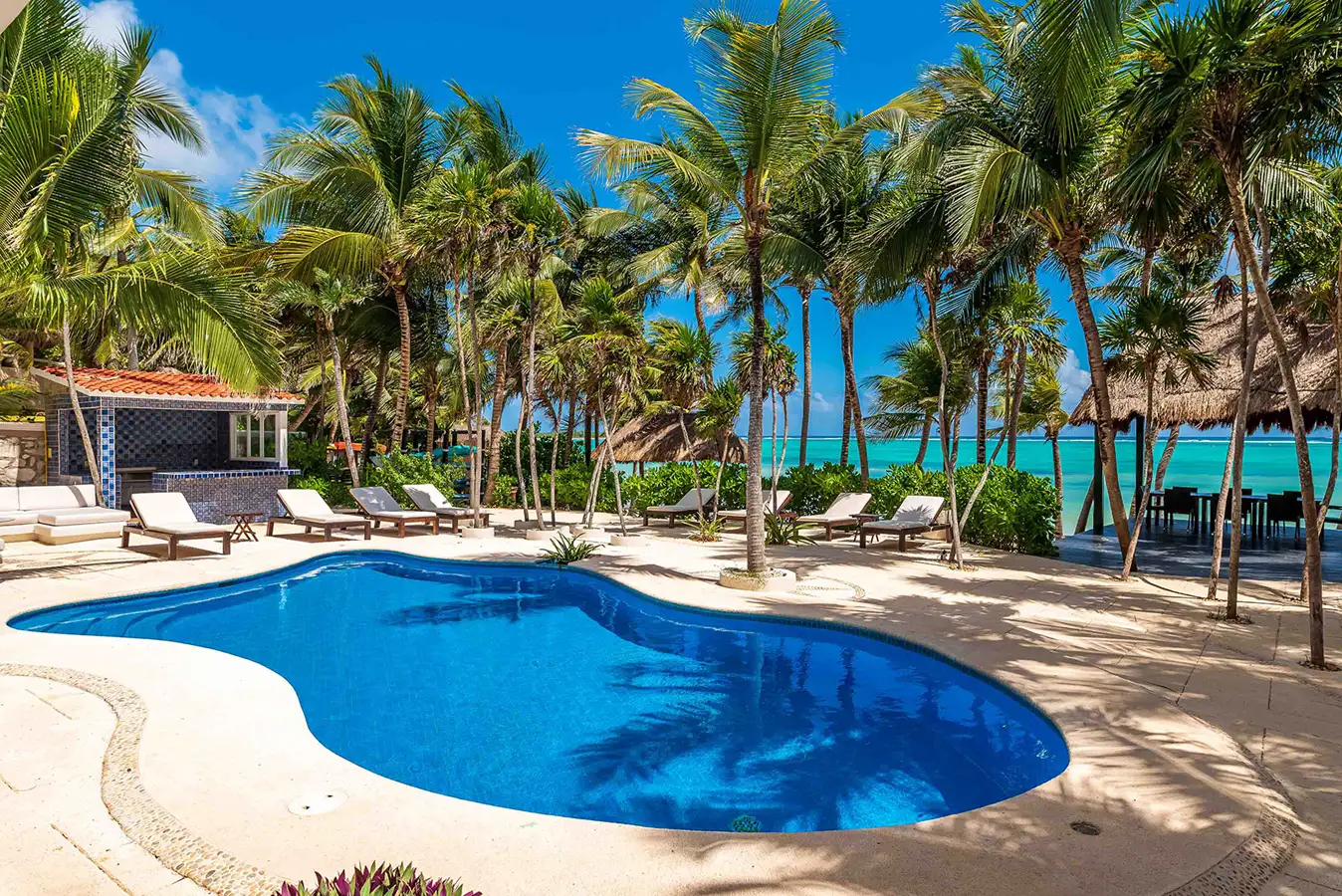
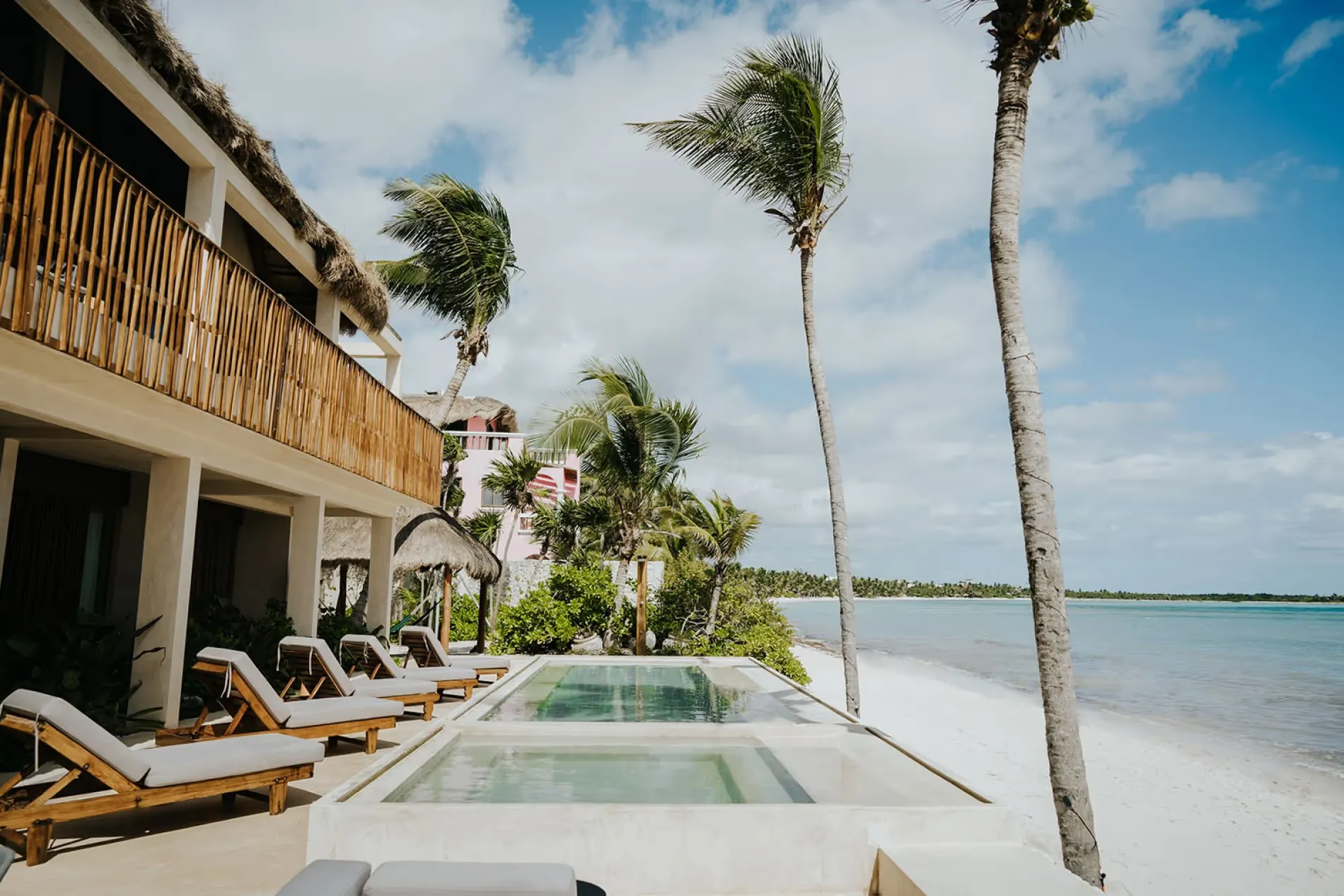
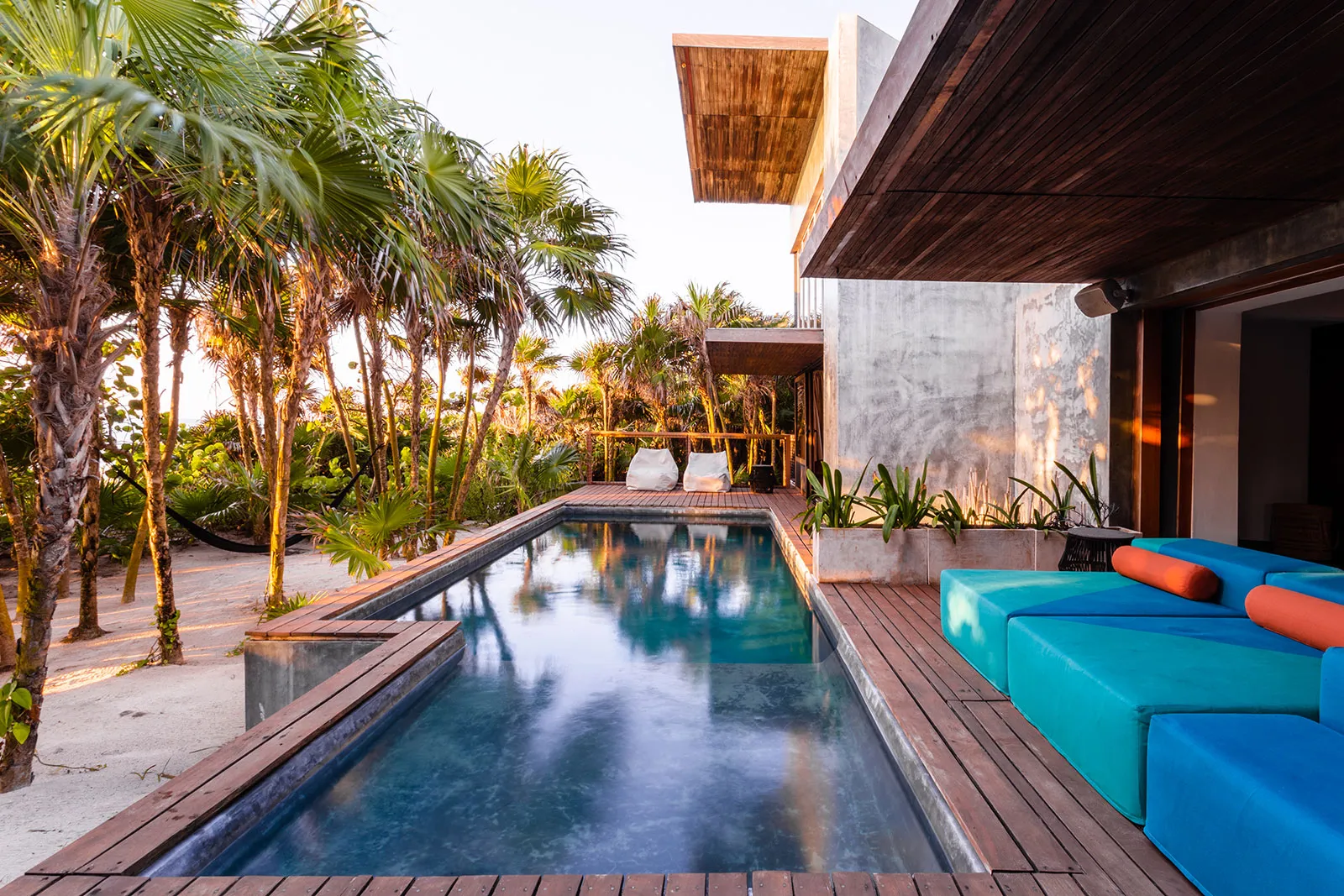
The beach zone, often called the hotel zone, follows a narrow coastal road lined with boutique hotels, beach clubs and restaurants. It is the image most people associate with Tulum: palm-fringed sand and low-rise, design-led architecture. Traffic on the single road can be slow at busy times, and access to the northern part runs through the Parque del Jaguar, the national park that includes the archaeological zone.
Aldea Zamá and La Veleta
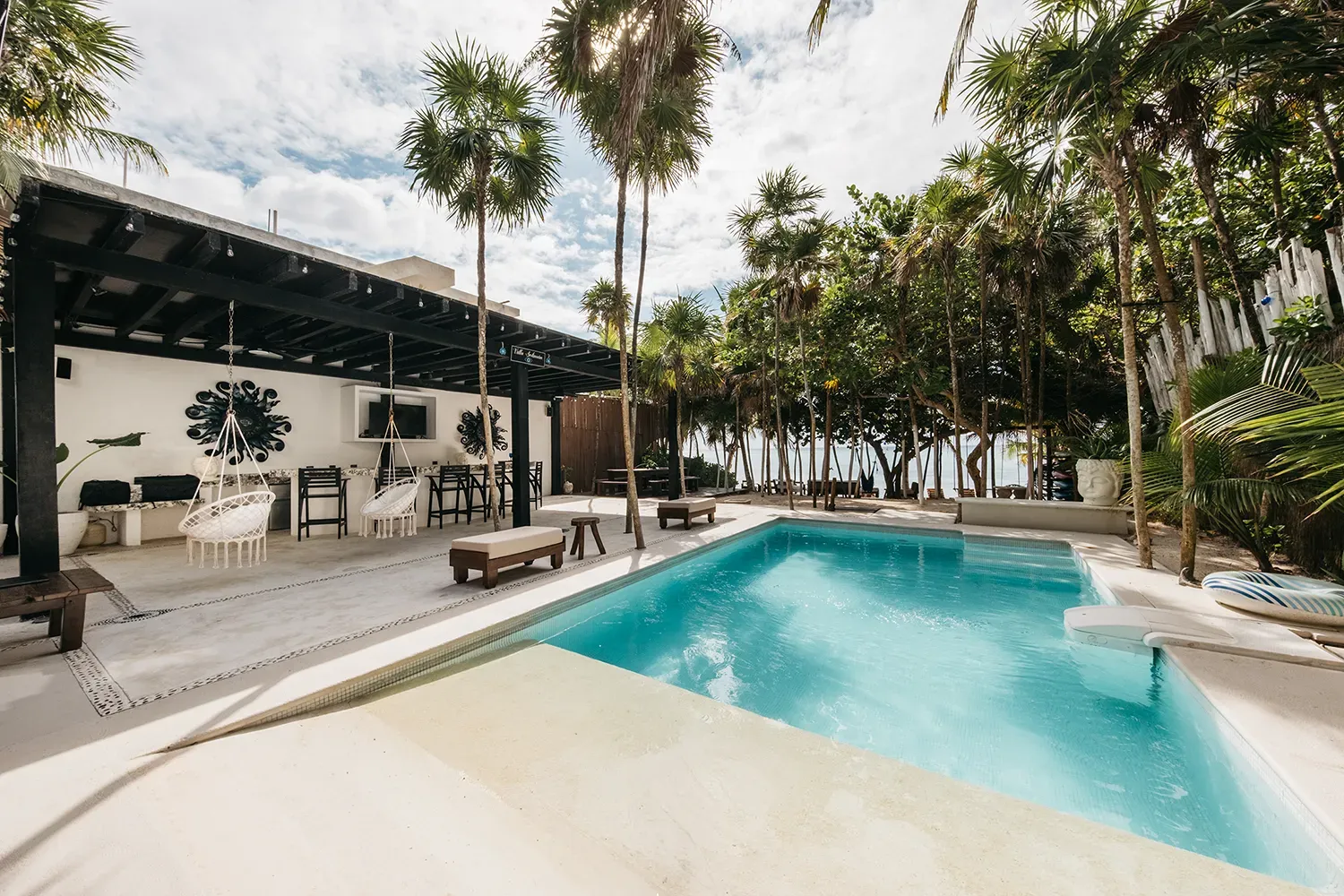
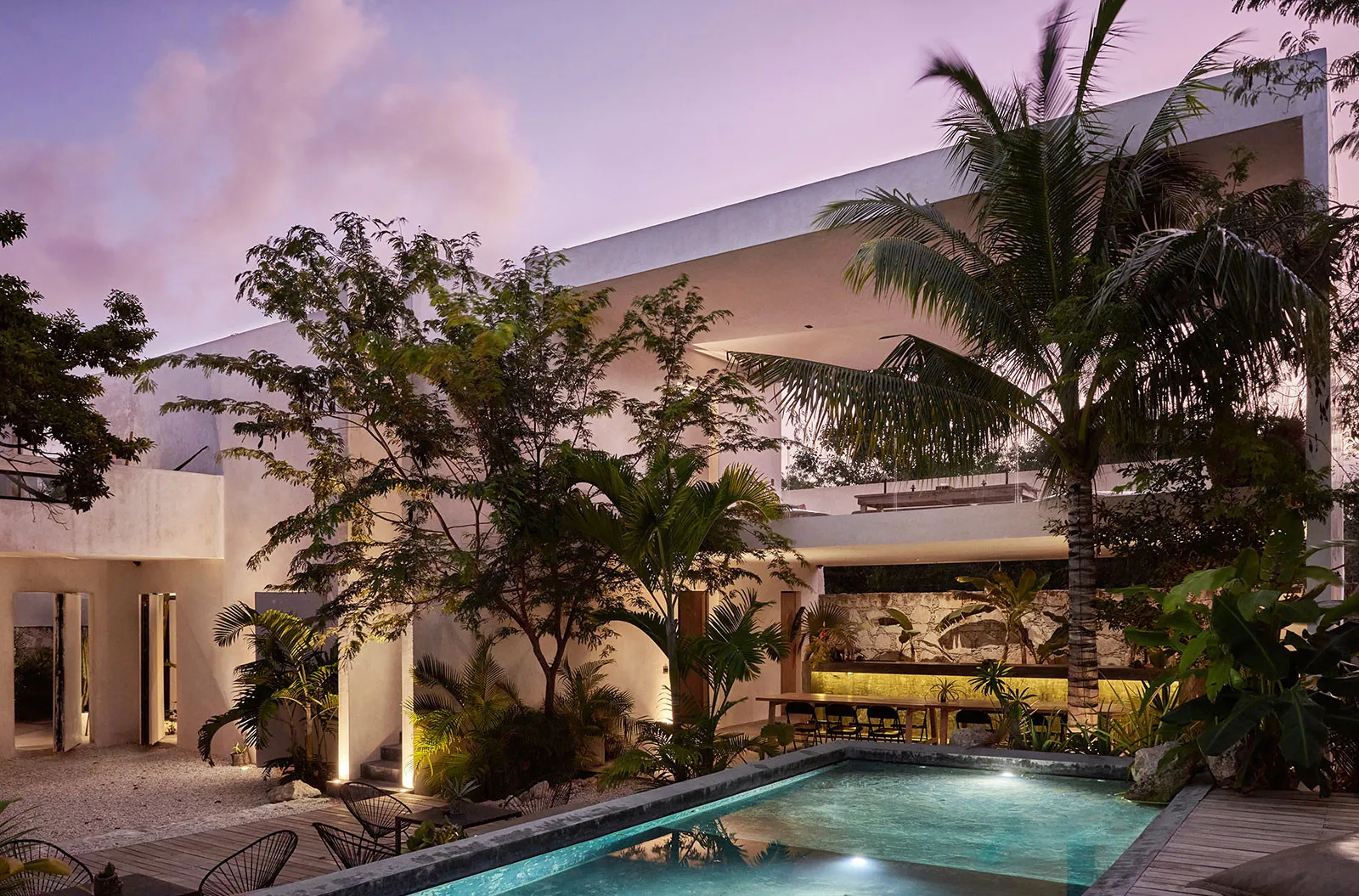
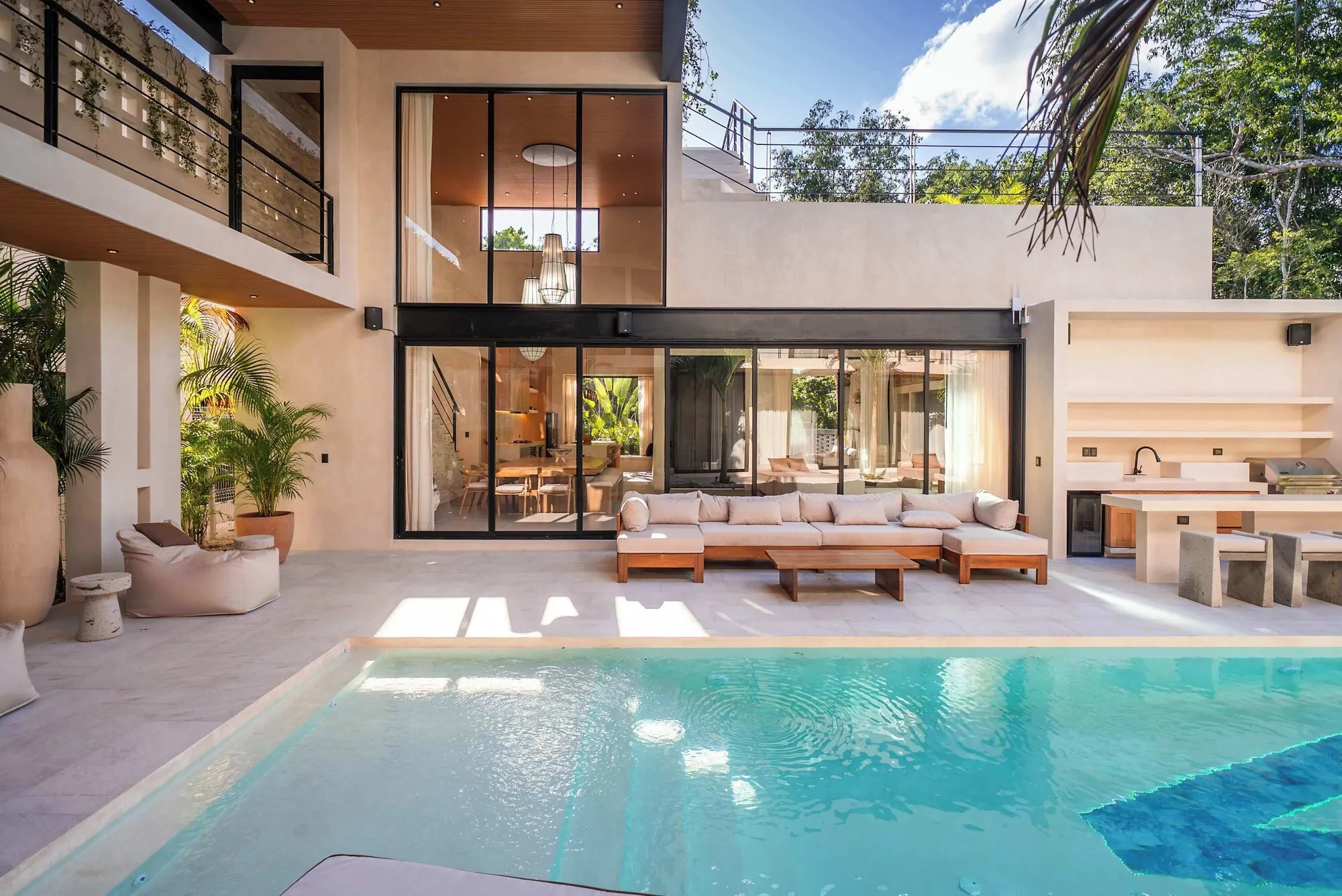
Between the town and the beach, Aldea Zamá is a residential development of villas and condominiums that puts both within a short drive. La Veleta, on the edge of town, is known for design-led homes and a quieter, more residential feel. Both suit travelers who want a home base rather than a hotel, but beach access still involves transport.
The northern bays
North of the town, bays such as Soliman and Tankah are lined with private homes and small properties facing calmer, reef-protected water. They feel far removed from the beach zone’s social scene, which is the point. Expect to drive for groceries, dining and excursions. Read our guides to Soliman Bay and Tankah Bay.
Sian Ka’an
South of the beach zone lies the Sian Ka’an Biosphere Reserve, a UNESCO World Heritage site of lagoons, wetlands, forest and reef. A handful of remote properties sit within or near it. It rewards travelers who want nature and seclusion, and demands planning for access and supplies.
How far apart the parts are
The distances explain most of the planning advice. INAH places the archaeological zone entrance at kilometer 230 of the federal Chetumal–Cancún highway, 128 kilometers south of Cancún. The state tourism board describes 16 kilometers of beach running south from there to the edge of Sian Ka’an; that strip is the beach zone, served by one road. Xel-Há, the water park families often pair with the ruins, is at kilometer 240. Arrivals come through Tulum International Airport, the Tren Maya’s Tulum and Tulum Aeropuerto stations, or the bus terminal in town. In practice, town to the beach road is a taxi ride, the northern bays are a 20-to-30-minute drive, and Sian Ka’an’s interior is a half-day on an unpaved road. Our guide to the Tulum ruins and Parque del Jaguar covers the park between town and beach.
What Tulum is known for
- The archaeological zone: Maya ruins on a cliff above the sea, within the Parque del Jaguar.
- Cenotes: freshwater sinkholes inland, used for swimming, snorkeling and diving.
- Design and dining: boutique hotels, beach clubs and a well-known restaurant scene.
- Wellness: yoga, spas and retreats are part of the town’s identity.
Before you book
What is Tulum, in one line? A town, a beach zone and a coastal ruin, and knowing how they fit together makes every other choice simpler. Decide which part of Tulum fits your trip, then check the exact address. A listing that says “Tulum” could be in town, on the beach, in a residential area or on a bay several kilometers away. Our guide to where to stay in Tulum compares the areas, and our guide to the best time to visit Tulum explains the seasons and sargassum.