Whale Watching in Punta Mita: Season, Tours, and What to Expect
The season, what you can realistically expect to see, where the boats leave from, and the three questions to put to an operator.
In this guide
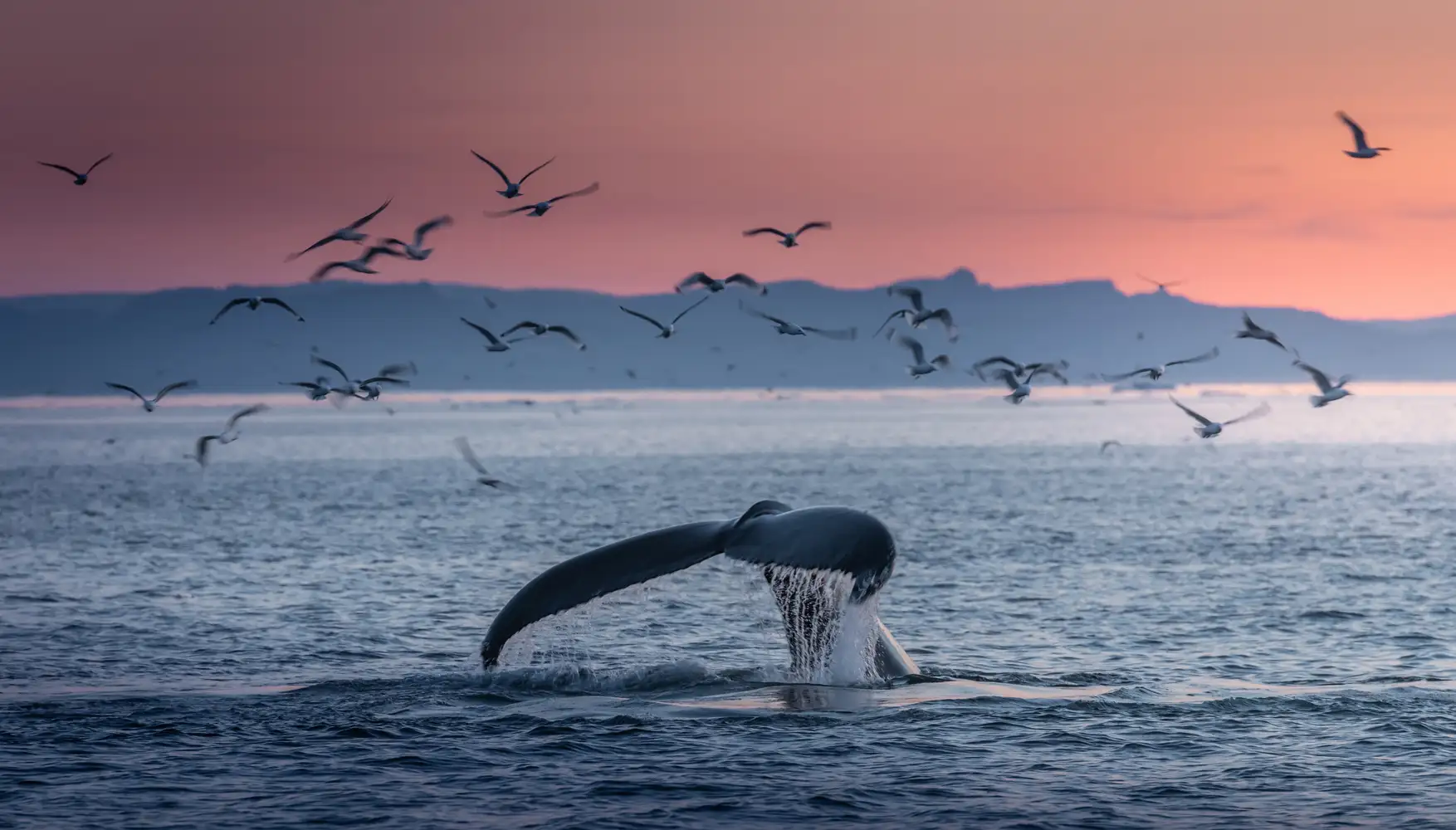
Punta Mita is one of the departure points for winter whale-watching trips in the Banderas Bay region. Humpbacks are the main focus. Plan around the authorized season, choose an operator for your dates and leave flexibility for weather and wildlife. Whale watching in Punta Mita rewards a little planning.
Whale watching in Punta Mita: season and authorized dates
The Riviera Nayarit tourism board describes mid-December through late March as a typical whale-watching window. Authorized tour dates are set separately by season and area. The federal notice for the completed 2025–26 season specified December 8, 2025, to March 23, 2026, for Bahía de Banderas. These are historical dates, not a schedule for the next season.
Confirm the authorization and dates that apply to your trip before booking. Winter overlaps with the region’s historically drier months, but lower rainfall does not guarantee calm seas or a departure on any particular day.
What you might see
Humpbacks are the focus of the seasonal trips described by the tourism board. Its wider regional species list should not be treated as an expectation for a tour from Punta Mita. Ask the operator what species its trips usually focus on and how sightings are handled.
You may see whales surface to breathe, show their backs or tails, or breach. Wildlife behavior varies, and a trip should not be planned around a close approach or a particular display.
Ask what the operator’s sightings policy actually covers. A rebooking or refund arrangement is different from a guarantee that wildlife will behave a certain way. Be clear about that distinction before paying.
What a trip is like
The tourism board describes trips of up to four hours. Check the duration of the tour you are considering, the check-in time and whether transfers are additional. Time on the water includes searching and traveling, not continuous observation.
Ask about the boat’s seating, shade, boarding arrangements, life jackets and suitability for everyone in your group. Bring sun protection, water if it is not supplied, and a layer appropriate to the forecast. If anyone is concerned about motion sickness or mobility, discuss the boat and trip conditions with the operator before booking.
Where boats leave from
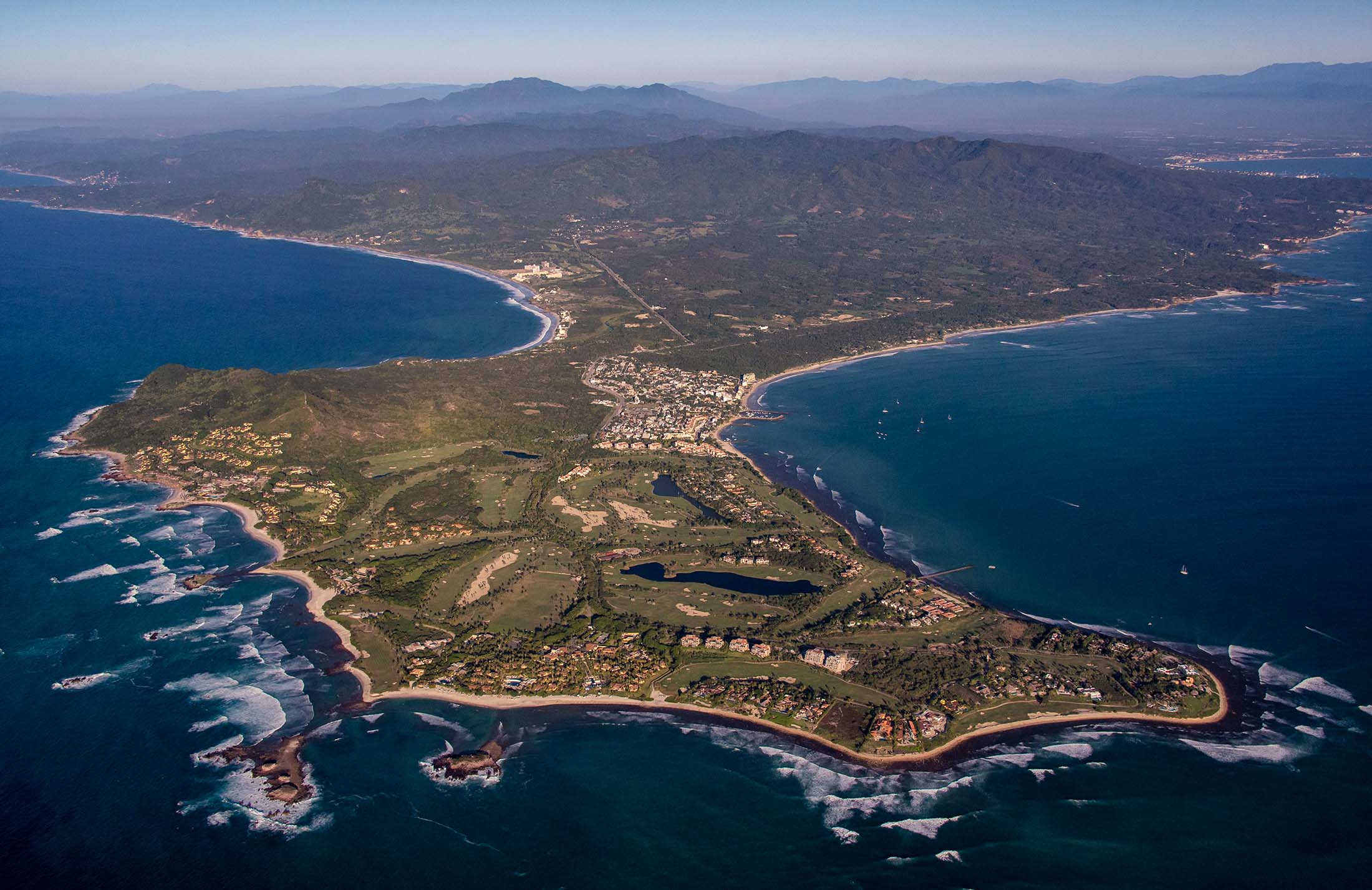
The tourism board names Punta Mita among the region’s departure points. Confirm the exact meeting location: a tour offered by a Punta Mita hotel or rental manager may still require transport to a different boarding point.
You can ask your resort or villa manager to help arrange a tour, or compare operators directly. In either case, establish who operates the boat, where you board, what transfers are included and whom to contact if plans change.
Choosing an operator
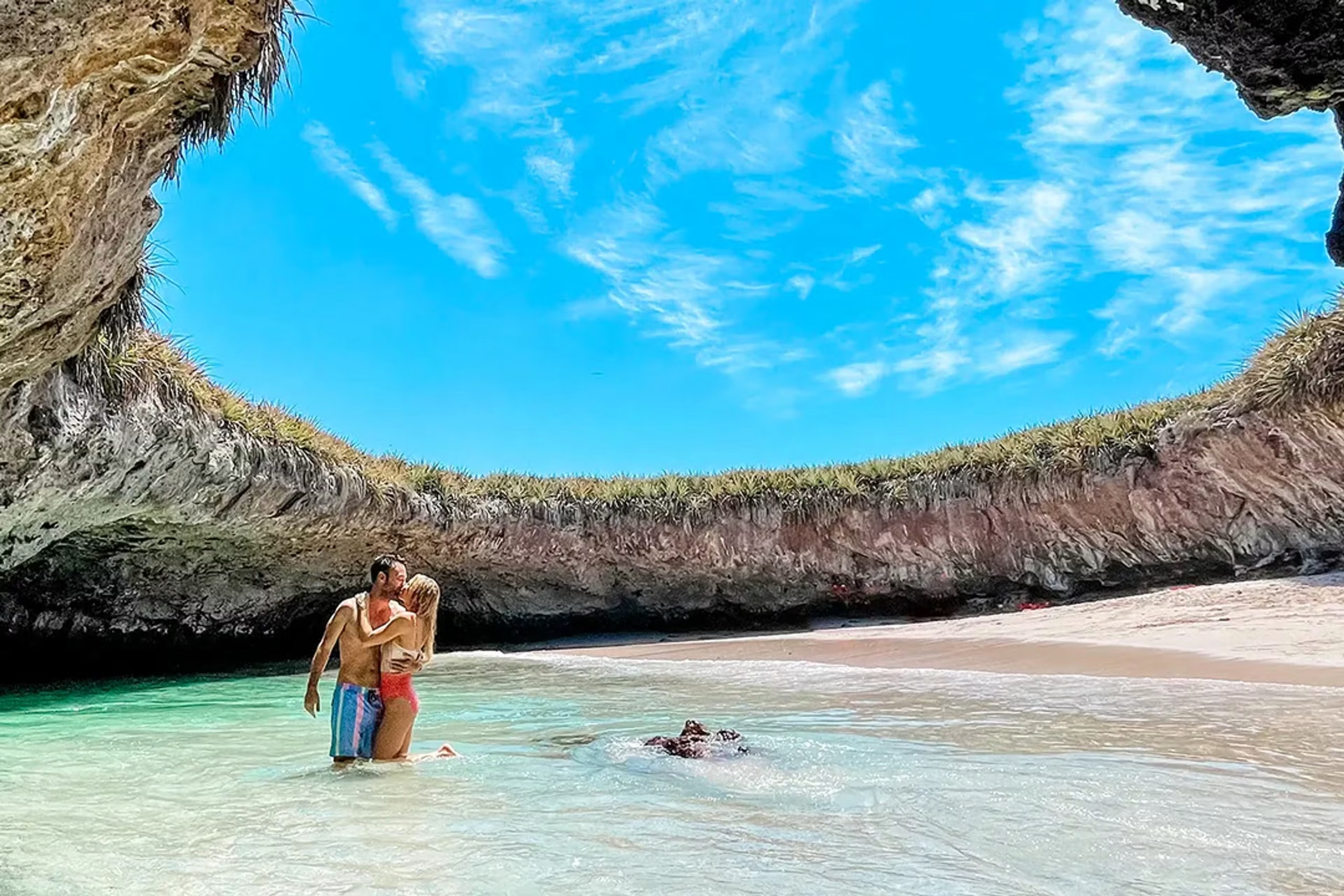
Mexico’s federal seasonal notice refers to NOM-131-SEMARNAT-2010 and identifies dates and restricted observation areas. The 2025–26 notice included restrictions around the Marietas Islands and along part of the bay’s coast. Ask your operator to confirm the current authorization and restrictions for your departure; proximity to whales is not a reason to enter a restricted area.
Ask to see the operator’s current authorization. Discuss how the crew maintains the required distance, what happens if a whale approaches, and how it avoids crowding animals with other boats. Clear answers should be supported by the relevant authorization and operating practices.
Before paying, confirm the total price, departure schedule, group size, inclusions and cancellation terms. Ask what happens if weather prevents departure and whether you can move the trip to another day during your stay.
If you are choosing dates around this
If whales are a priority, select dates within the authorized season and allow an alternative day for the excursion. January and February sit within the past season’s window and the historically drier part of the year, but the authorization for your travel season and the forecast should guide the booking.
Whale watching in Punta Mita is best booked with a licensed operator during the official season. For how the seasons work here more broadly, and for the rest of the peninsula, start with our Punta Mita travel guide. Our guide to Punta Mita’s beaches covers the coast the boats leave from.