Terres Basses, St Martin: A Guide to Staying There
The French Lowlands explained: villas only, three public beaches, car essential, and where the nearest shops are
In this guide
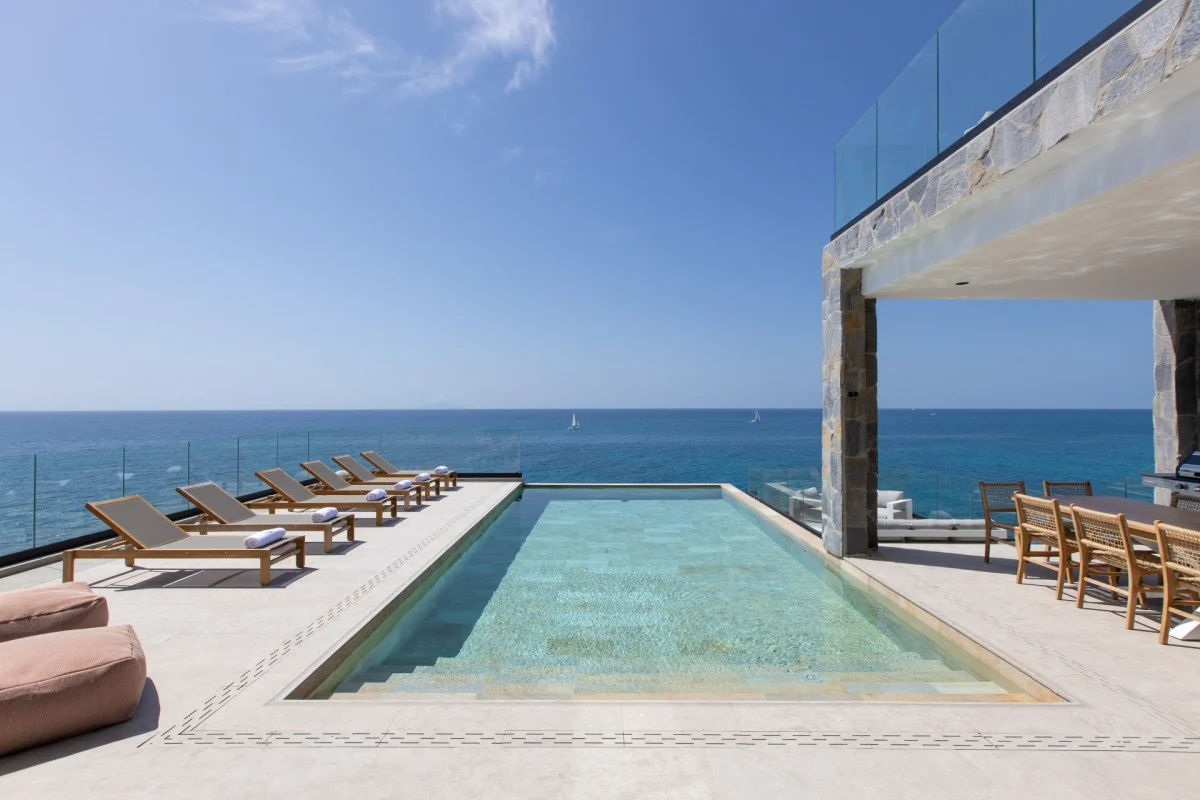
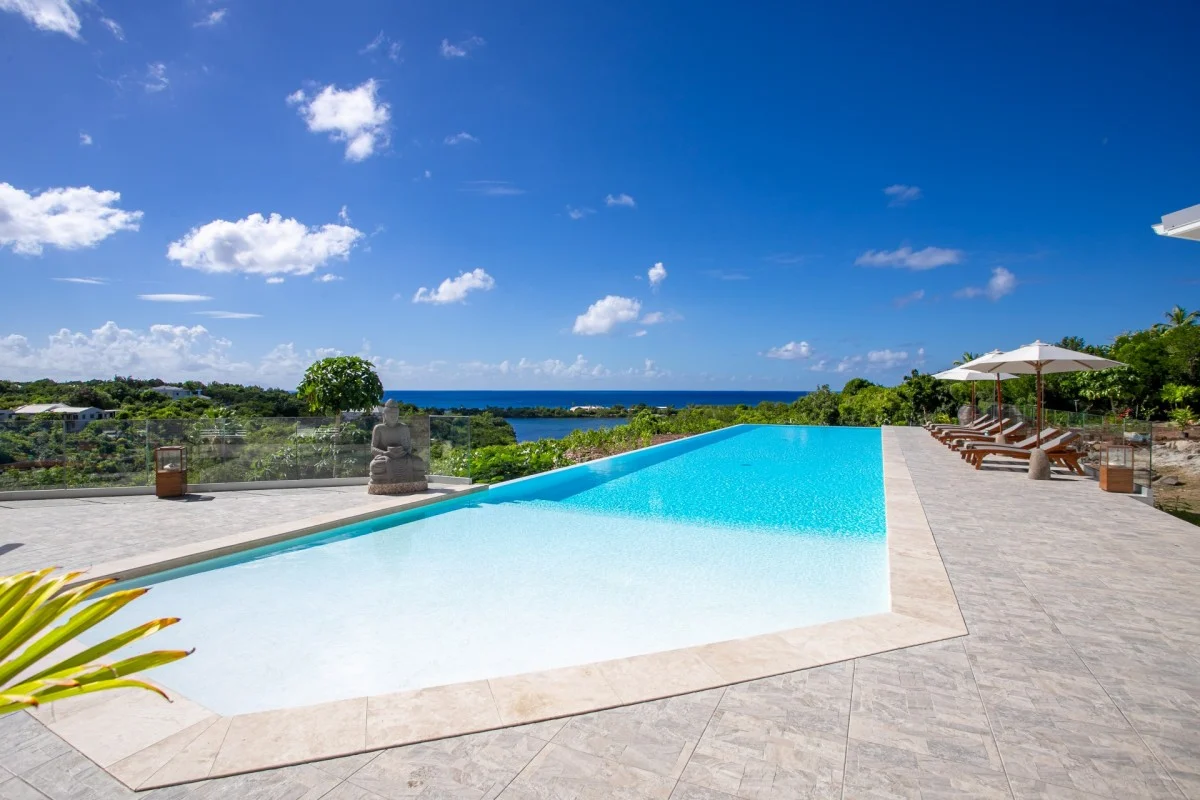
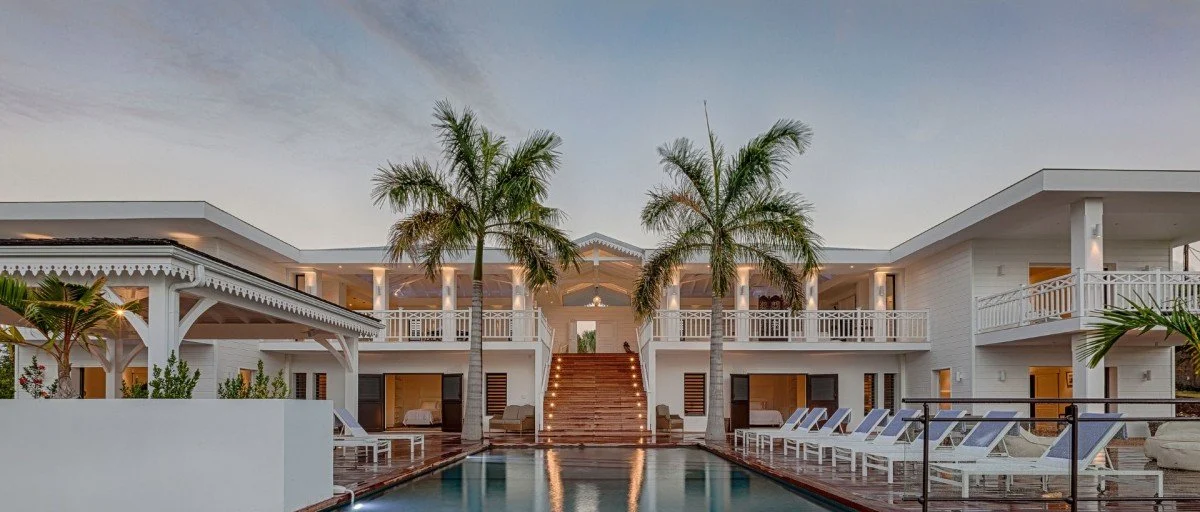
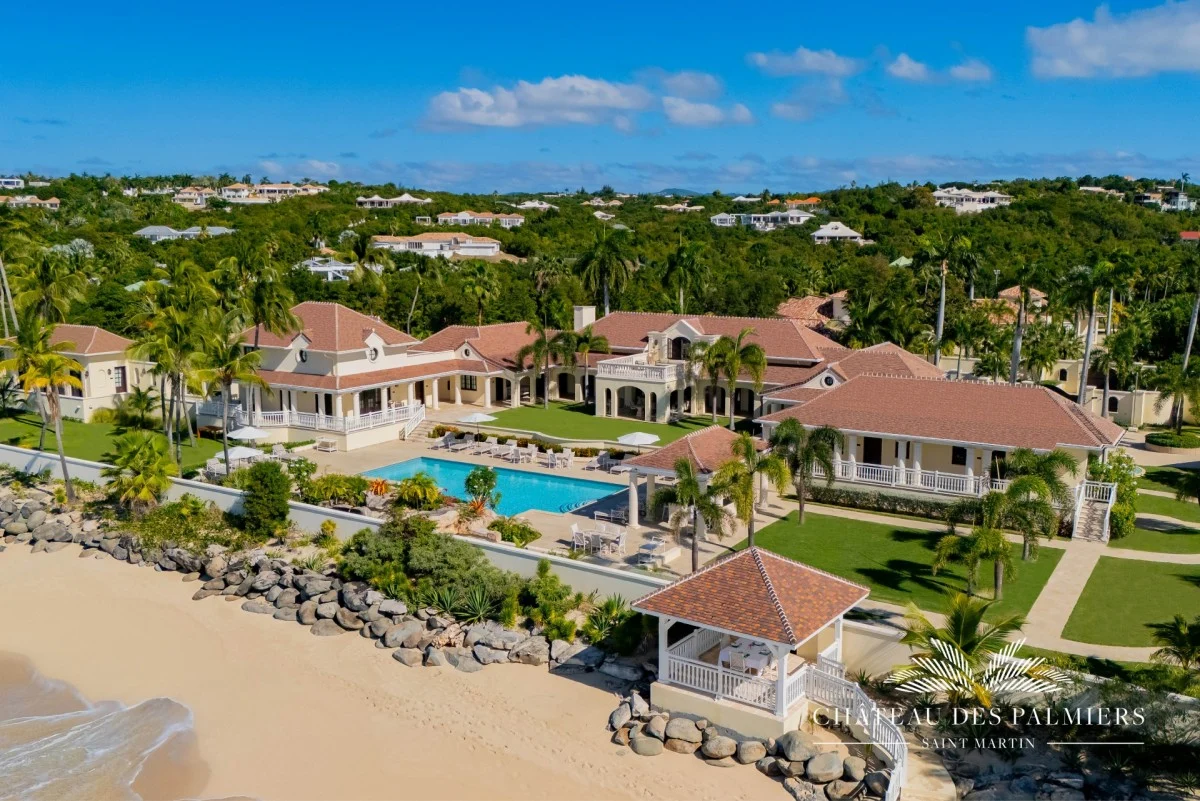
Terres Basses, the French Lowlands, is the westernmost peninsula of Saint-Martin on the French side of the island: a security-patrolled residential area of large villas, with one hotel (La Samanna, on Baie Longue), no shops and three public beaches, Baie Longue, Baie aux Prunes (Plum Bay) and Baie Rouge. It suits families and groups who want a villa with a pool, quiet beaches and quick road access to Princess Juliana airport across the Dutch border. It does not suit anyone who wants to walk to dinner or rely on taxis. This guide covers how the area works day to day.
Where Terres Basses is and what it is
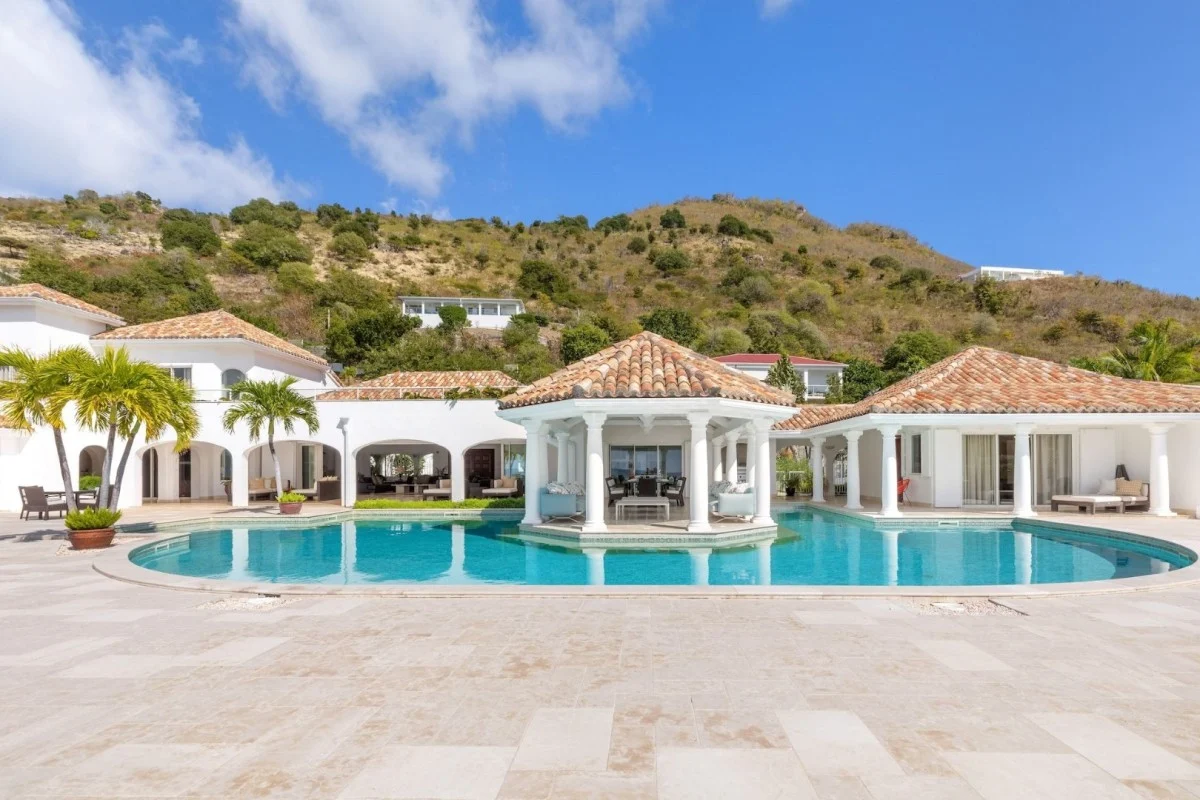
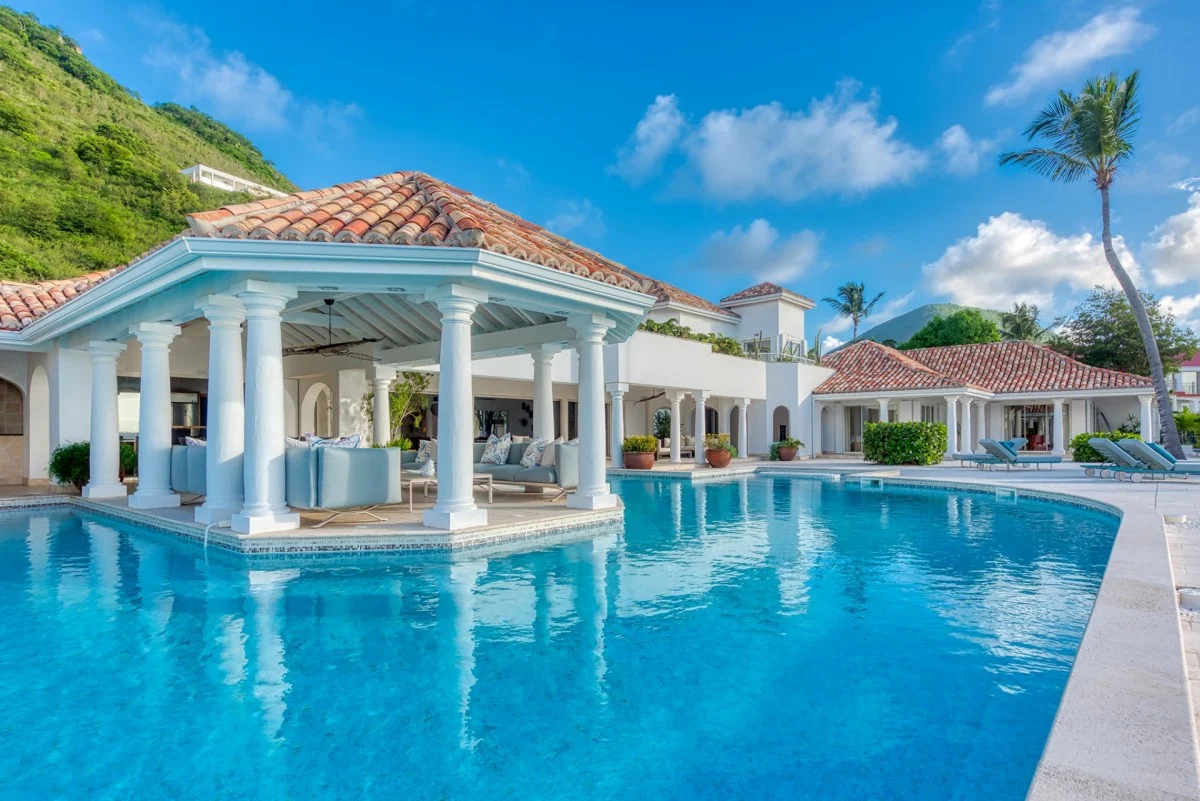
The peninsula sits west of Marigot and Baie Nettle, bounded by Simpson Bay Lagoon on one side and the Caribbean on the other, with the Dutch-side district of Cupecoy at its southern edge. St-Maarten.com describes it as large private estates on generous lots with lagoon or sea views, and St. Martin Sotheby’s calls it a secure residential community composed primarily of villas, some within gated or guarded sections. There is no village centre and no commercial strip; it is a place to stay, not to visit.
Because it is on the French side, the euro is the currency, French law applies, emergency numbers are 15, 17 and 18, sockets are European 220V and speed limits are in kilometres per hour. Cross into Cupecoy and all of that changes to Sint Maarten’s rules, US-style sockets and dollar pricing.
The three beaches
Baie Longue
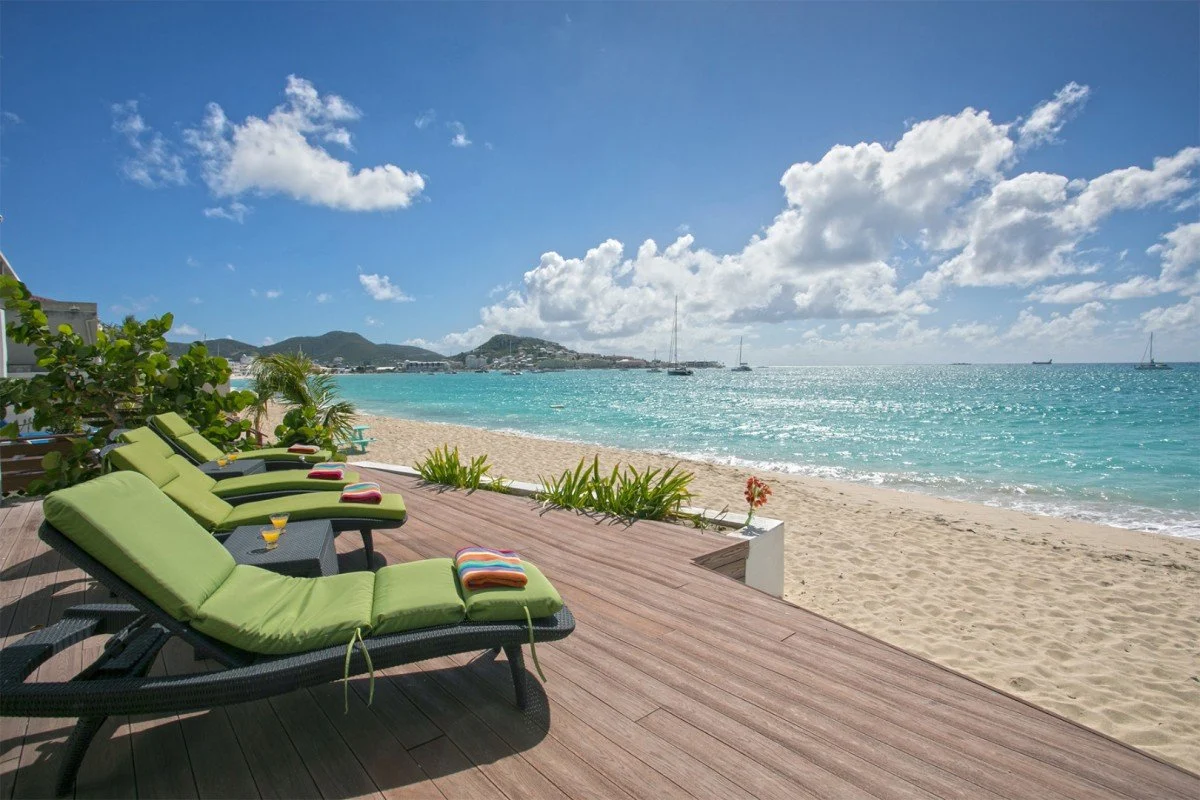
The longest of the three, a wide sweep of white sand facing the Caribbean, often with very few people on it. The water is usually calm, but Frommer’s notes a steep drop-off and undertow, and there are no public facilities. La Samanna, a Belmond hotel with its own restaurants and bar, stands at one end of the beach; it closes seasonally (until mid-November 2026 at the time of writing) and its facilities are for guests and diners rather than the general public, so do not plan a beach day around them. It is the beach for long walks and a quiet swim on a calm day.
Baie aux Prunes (Plum Bay)
Smaller and more enclosed, reached along the Lowlands road past Baie Longue, with public parking and no services. There is surf near the rocks in the right conditions and reasonable snorkelling when it is flat. Sunsets face directly out to sea.
Baie Rouge
Named for its reddish sand, Baie Rouge is the most photographed of the three, with low cliffs and a rock arch at the western end, views across to Anguilla, and snorkelling along the rocks. It is also the one with the most reported undertow, and beachwear becomes increasingly optional as you walk west. Parking is off the main road just outside the residential area.
Beach access rules
All beaches on the French side are public by law, and that includes these three. Access paths lead from the public road or from marked parking areas; you do not need to be a resident or a guest to use the sand. What you cannot do is treat the villas’ private grounds as a route, park across residents’ gates or expect toilets, showers or food. There are no public beach bars or services on the sand. Guidebooks have reported car break-ins at these quieter car parks, so leave nothing visible.
Transport: a car is essential
There is no public transport in Terres Basses, and taxis must be called and waited for. Sotheby’s puts Baie Nettle about five minutes away by car, Marigot within ten minutes and Porto Cupecoy on the Dutch side five to ten minutes away. Princess Juliana airport is just beyond Cupecoy and Maho, which makes this one of the closer French-side areas to international arrivals, although evening traffic around Simpson Bay can slow the last stretch. Grand Case and Orient Bay are at the far end of the island by comparison. For arrival planning see getting to St Martin.
Services: where to shop and eat
- Baie Nettle (French side): the nearest beach bars, restaurants and small supermarkets, on the road toward Marigot.
- Marigot (French side): the market, bakeries, pharmacies, the marina restaurants and the Anguilla ferry.
- Porto Cupecoy (Dutch side): a marina village with a supermarket and waterfront restaurants, priced in dollars.
- Simpson Bay and Maho (Dutch side): the widest choice of restaurants and nightlife, a short drive but slow at peak hours.
- Provisioning: villa stays here usually mean stocking a kitchen; the nearest large supermarkets are on the Dutch side around Cupecoy and Simpson Bay.
Who Terres Basses suits, and who it does not
It suits groups or families who want privacy, a pool, space for several bedrooms and quiet beaches, and who are comfortable driving every day. It is convenient for the airport and for Dutch-side shopping. Its disadvantages are real: nothing is walkable, there is no public beach service, the beaches have drop-offs and undertow on some days, and evenings are silent unless you drive out. Couples who want a restaurant strip at their door will be happier in Grand Case or Simpson Bay; compare the alternatives in our guide to where to stay in St Martin, and read the island-wide comparison in St Martin beaches before choosing which cove to make your daily default.
In short, Terres Basses is the French side’s villa district: three quiet public beaches, a car for every outing, shops in Baie Nettle, Marigot and Cupecoy, and the airport close by across the Dutch border.