Where to Stay in St Martin: Choosing Your Area
Grand Case, Orient Bay, Terres Basses, Simpson Bay, Maho and more, compared by side, beach, transport and noise
In this guide
Deciding where to stay in St Martin starts with one question: French side or Dutch side? The Dutch side (Sint Maarten) puts you close to Princess Juliana airport, Simpson Bay nightlife and English-speaking convenience. The French side (Saint-Martin) offers quieter residential areas, the Grand Case restaurant strip and the island’s longest beaches, at the cost of a longer transfer and euro pricing. Below, each base is named with its side, because the side determines currency, rules and atmosphere.
Where to stay in St Martin: the short answer
- First visit, want restaurants on foot: Grand Case (French side) or Simpson Bay (Dutch side).
- Privacy and space, villa stay, car essential: Terres Basses (French side).
- Beach-club days and water sports: Orient Bay (French side).
- Short transfer and late nights: Maho or Simpson Bay (Dutch side), accepting aircraft noise at Maho.
- Quiet cove, resort-style, self-contained: Anse Marcel (French side).
- Sunrise coast, away from the airport: Dawn Beach or Oyster Pond (east coast, on the border).
French side bases
Terres Basses and Baie Nettle
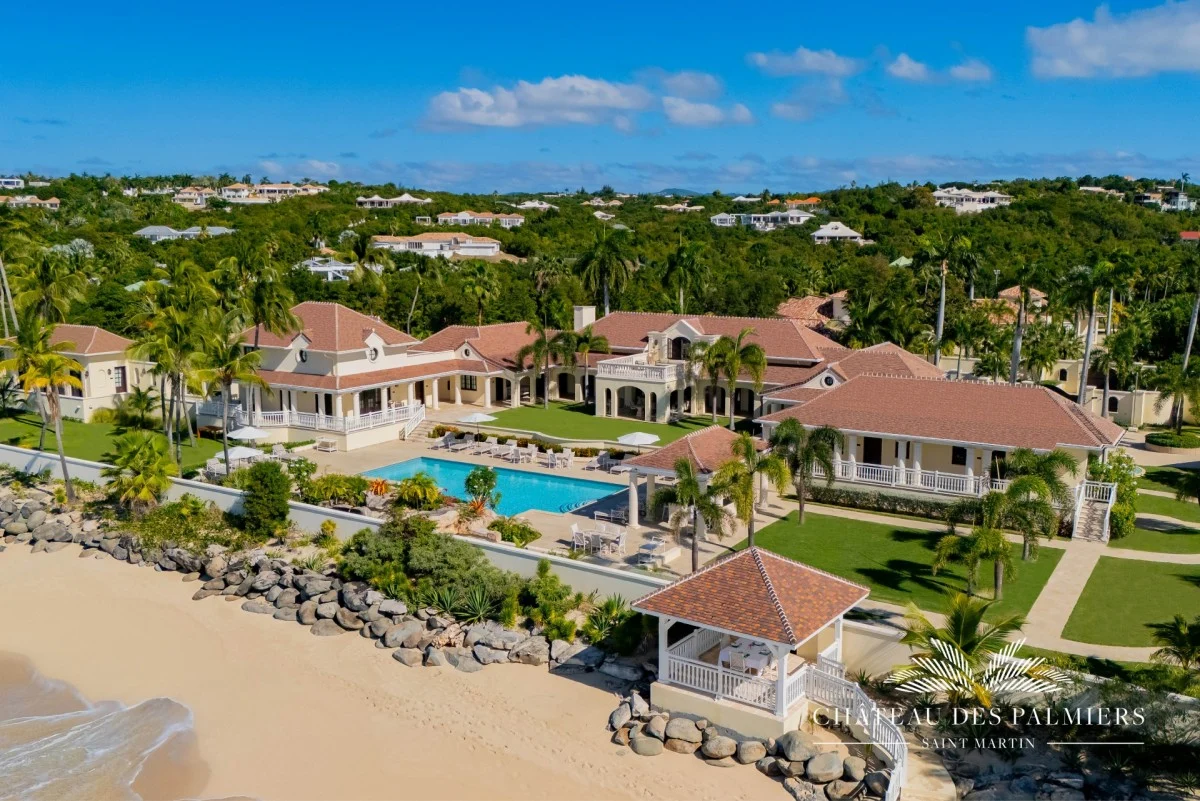
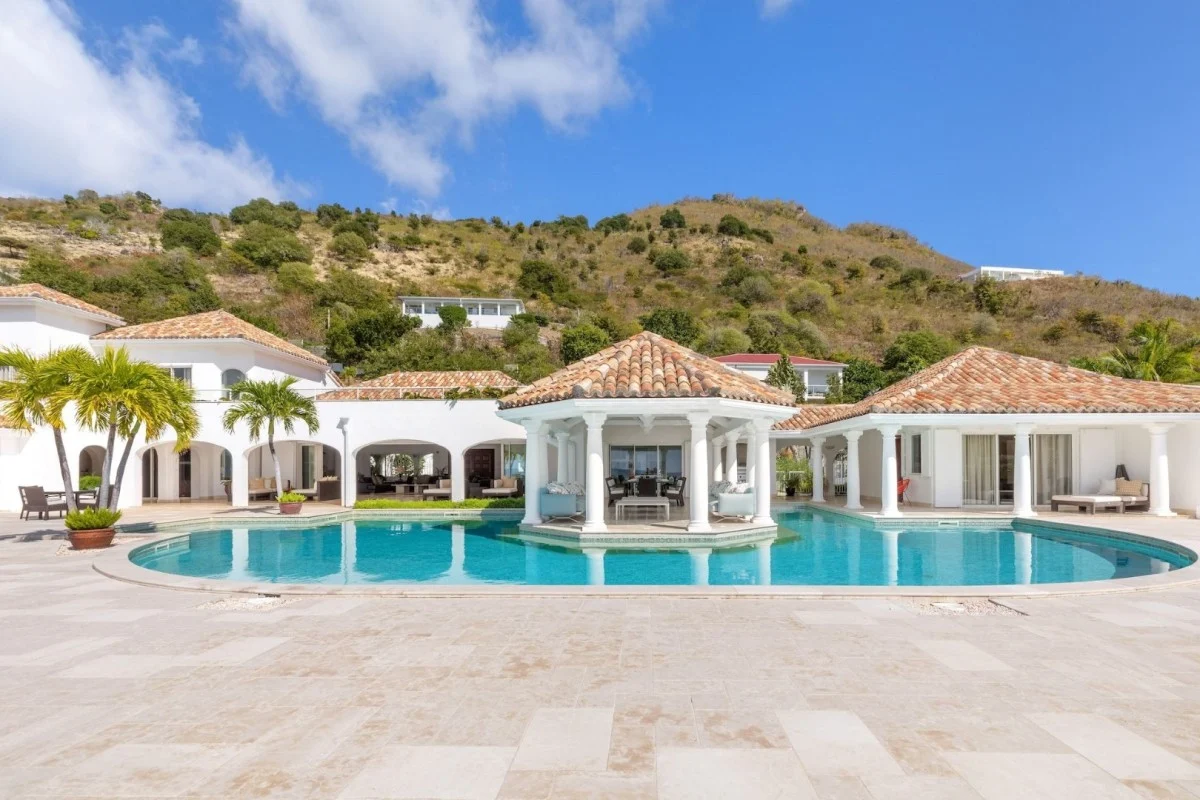
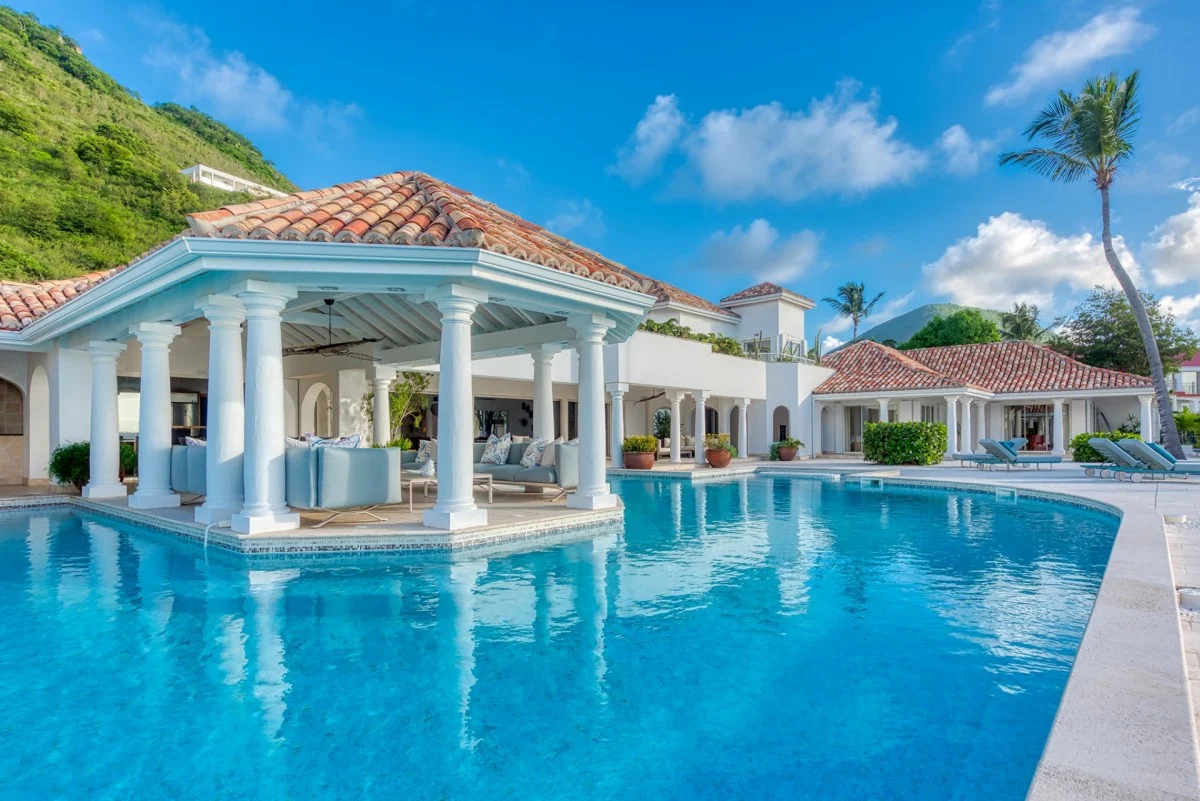
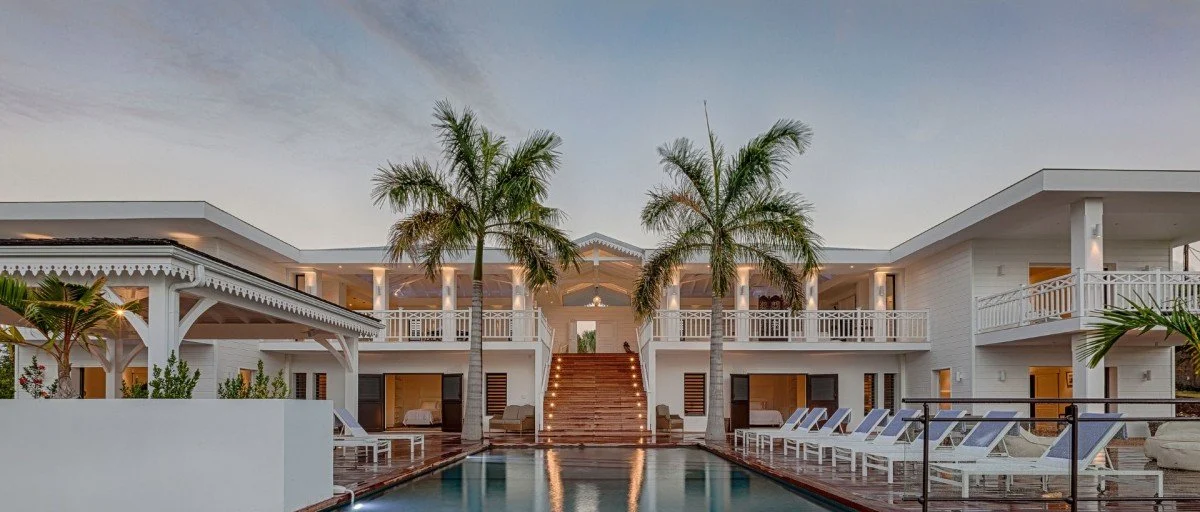
Terres Basses is the French Lowlands, the westernmost peninsula of Saint-Martin, a residential area of large villas and one hotel, with three public beaches: Baie Longue, Baie aux Prunes and Baie Rouge. There is no public transport and no shops inside the area; you drive to Baie Nettle or Marigot for supplies, or across the border to Porto Cupecoy. It suits groups and families who want a pool, privacy and their own kitchen, and it is close to the airport by car. It does not suit anyone who wants to walk to dinner. See our Terres Basses area guide for detail.
Baie Nettle, on the strip of land between Marigot and Terres Basses, is more built up, with hotels, apartments, calm lagoon-side water and beach bars. It is a practical middle ground: cheaper than the Lowlands, minutes from Marigot, but the beach is narrow and the road is busy.
Grand Case
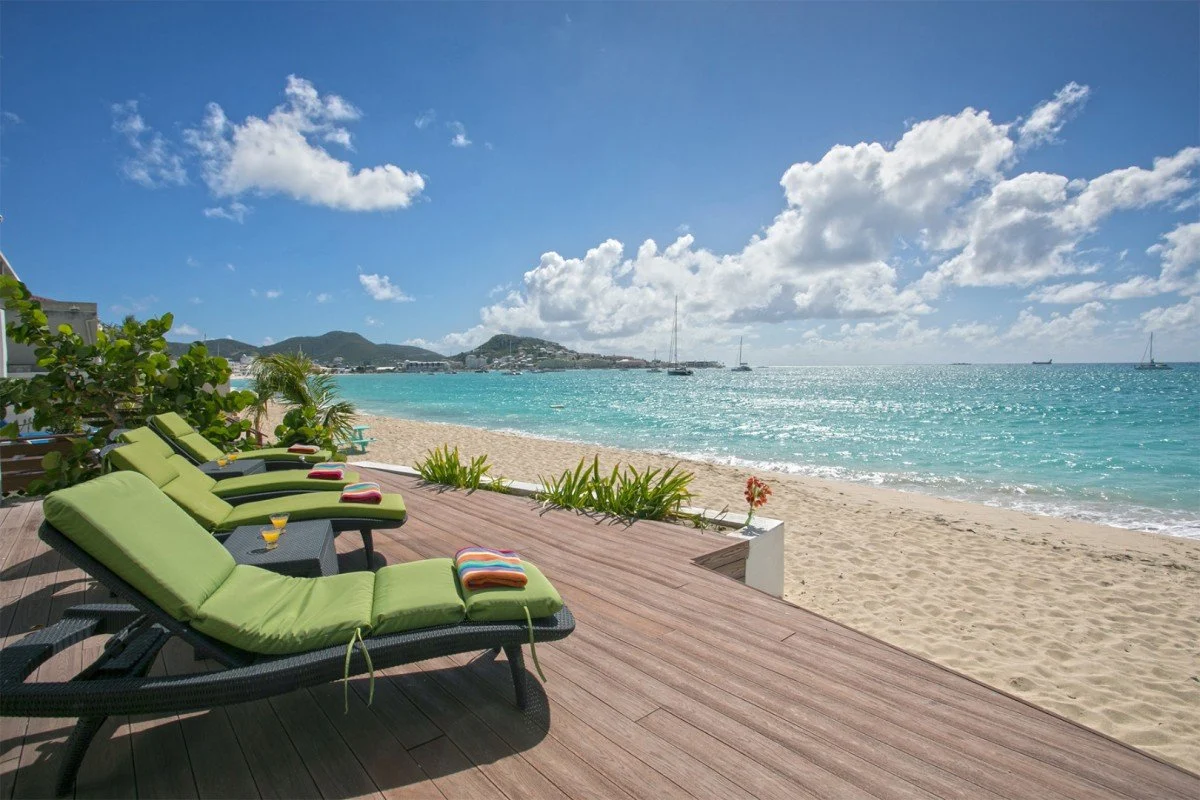
Grand Case is a one-street village on a calm bay on the northwest coast of the French side, known for its restaurants, from open-air barbecue lolos to formal French dining, all along the beachfront boulevard. Staying here means eating out every night without driving, a small beach with calm water, and the Grand Case regional airport a short distance away. Downsides: the beach is narrow, parking is tight in the evening, and many restaurants close for holidays in September and October.
Orient Bay
Orient Bay, on the Atlantic coast of the French side, has the island’s best-known long beach, about a mile of sand with beach clubs renting loungers, water-sports operators, and a village square with a supermarket, bakery and restaurants. The tourist office notes stronger trade winds here, which suits board sports but means choppier water than the west coast. The southern end of the beach, near the former Club Orient, is used by naturists, which matters to some families. It suits people who want an active beach holiday without a car every day.
Anse Marcel
Anse Marcel is a sheltered cove in the far north of the French side with a marina, a small number of resort properties and shallow, protected water. It is self-contained and quiet, reached by a steep road. Everything beyond the cove needs a car, and dining options are limited to what is inside the bay.
Marigot
Marigot is the French capital, with the ferry terminal for Anguilla, a waterfront market, boutiques and marina restaurants. It is a useful base for people who like a town and plan day trips, but its beaches are not the reason to come; you will drive to Baie Rouge or Friar’s Bay. Evenings are quieter than Simpson Bay.
Dutch side bases
Simpson Bay
Simpson Bay wraps around the lagoon a few minutes from the airport on the Dutch side. The Tourism Bureau describes a strip of restaurants covering most cuisines, beach bars, lounges, nightclubs and casinos, plus marinas for boat trips. Simpson Bay Beach is calm and long. It suits travellers who want everything within a short drive or walk and who plan boat days. It is the busiest area on the island, and traffic through the strip is slow at peak times.
Maho
Maho sits at the end of the runway. Its beach is famous for aircraft landing directly overhead, and the area has hotels, casinos and nightlife. The trade-off is unavoidable: this is the loudest place to stay on the island, with jet noise through the day, and jet blast at the fence is a genuine hazard. Choose it for convenience and entertainment, not for peace.
Cupecoy
Cupecoy, on the western tip of the Dutch side next to the French border, has condominium developments, the Porto Cupecoy marina village with a supermarket and waterfront restaurants, and small cliff-backed beaches whose sand shifts with the weather. It is a sensible base for people who want to be near the airport and Terres Basses without Maho’s noise. Its beaches have steep drop-offs and are not the best for small children.
Philipsburg and Dawn Beach
Philipsburg is the Dutch capital, a compact grid between Great Bay Beach and the Great Salt Pond, with Front Street shopping, a boardwalk of bars and the cruise port a few minutes away. On cruise days it is crowded; in the evening it is quiet. Dawn Beach, on the east coast, faces the sunrise and St Barts, with reefs offshore and more wave action, and is home to resort and condominium properties. It is a good choice if you want to be away from the airport corridor on the quieter east coast.
Oyster Pond: the border base
Oyster Pond is a lagoon on the east coast whose shoreline straddles the border, with a marina, apartments and small hotels. St Barts ferries have used Oyster Pond in some past seasons; check with the operators whether any service runs on your dates before choosing it for island-hopping. Check which side your accommodation is on, because your currency, electricity and emergency numbers depend on it.
Transport and noise: the practical filters
A hire car is the default for almost every base except Simpson Bay, Grand Case and Orient Bay, and even there most visitors rent for at least part of the stay. The airport publishes fixed-fare, cash-only taxis and notes there is no direct public bus from the terminal. Our guide to getting to St Martin covers airports, transfers and driving.
Noise is the other filter. Maho and the Beacon Hill area sit under the flight path; Simpson Bay is lively into the night; Grand Case is busy in the evening but calm by day; Terres Basses, Anse Marcel and Dawn Beach are the quietest options.
To sum up where to stay in St Martin: pick the Dutch side for convenience, nightlife and short transfers, and the French side for dining, long beaches and privacy. Name the side when you book, hire a car for anything outside Simpson Bay, Grand Case or Orient Bay, and avoid Maho if you are sensitive to aircraft noise.