Diving and Snorkeling in Cozumel: A Planning Guide
Drift dives along protected walls, reefs off the villa ladder, and how to plan the water days around the weather.
In this guide
In short
Cozumel’s reefs are protected in a national park off the southwest coast, and most diving is drift diving carried by a gentle current, usually on two-tank morning trips. Snorkelers can often swim straight from an oceanfront villa or join shallow boat trips. Winter and spring are driest; June to November is hurricane season.
Diving and snorkeling in Cozumel are the reason many people come to the island and the reason they come back. The reefs off the southwest coast are protected as a national park, the water is usually clear and calm on the sheltered side, and a steady current carries divers along walls and coral ridges. This guide explains how the water works, how to plan dive days from a villa, and how to snorkel well even if you never put on a tank.
The Arrecifes de Cozumel National Park
Declared in 1996, the park protects about 120 square kilometers of reef along the island’s southwest, part of the Mesoamerican Barrier Reef that runs down the Caribbean coast of Mexico and Central America. Its reefs range from shallow gardens to walls that fall far beyond recreational limits. Well-known names such as Palancar, Colombia and Santa Rosa are all here. Hard coral has suffered from hurricanes and disease in recent decades, which makes the park’s rules on fees, mooring and boat traffic more important, not less.
Drift diving: how Cozumel is different
Most Cozumel diving is drift diving. Instead of anchoring and returning to the boat, divers drop in, let the current carry them along the reef, and the boat follows their bubbles and picks them up at the end. It is relaxed once you are used to it, but it asks for good buoyancy and staying with your guide. Newer divers should say so when booking; operators can choose gentler sites. Two-tank morning trips are the norm, with boats returning by early afternoon.
Planning dive days from a villa
- Pickups: some operators collect guests from a villa’s dock or from a nearby pier, which saves a daily drive. Ask your villa manager which dive shops they work with.
- Private boats: groups of six or more can often charter a boat for the day, choosing sites and pace to suit everyone, including snorkelers.
- Gear: rinse and storage space for wetsuits and regulators is worth asking about before booking.
- Flying after diving: build in a surface interval before your flight home and plan your last dive day accordingly.
Snorkeling in Cozumel
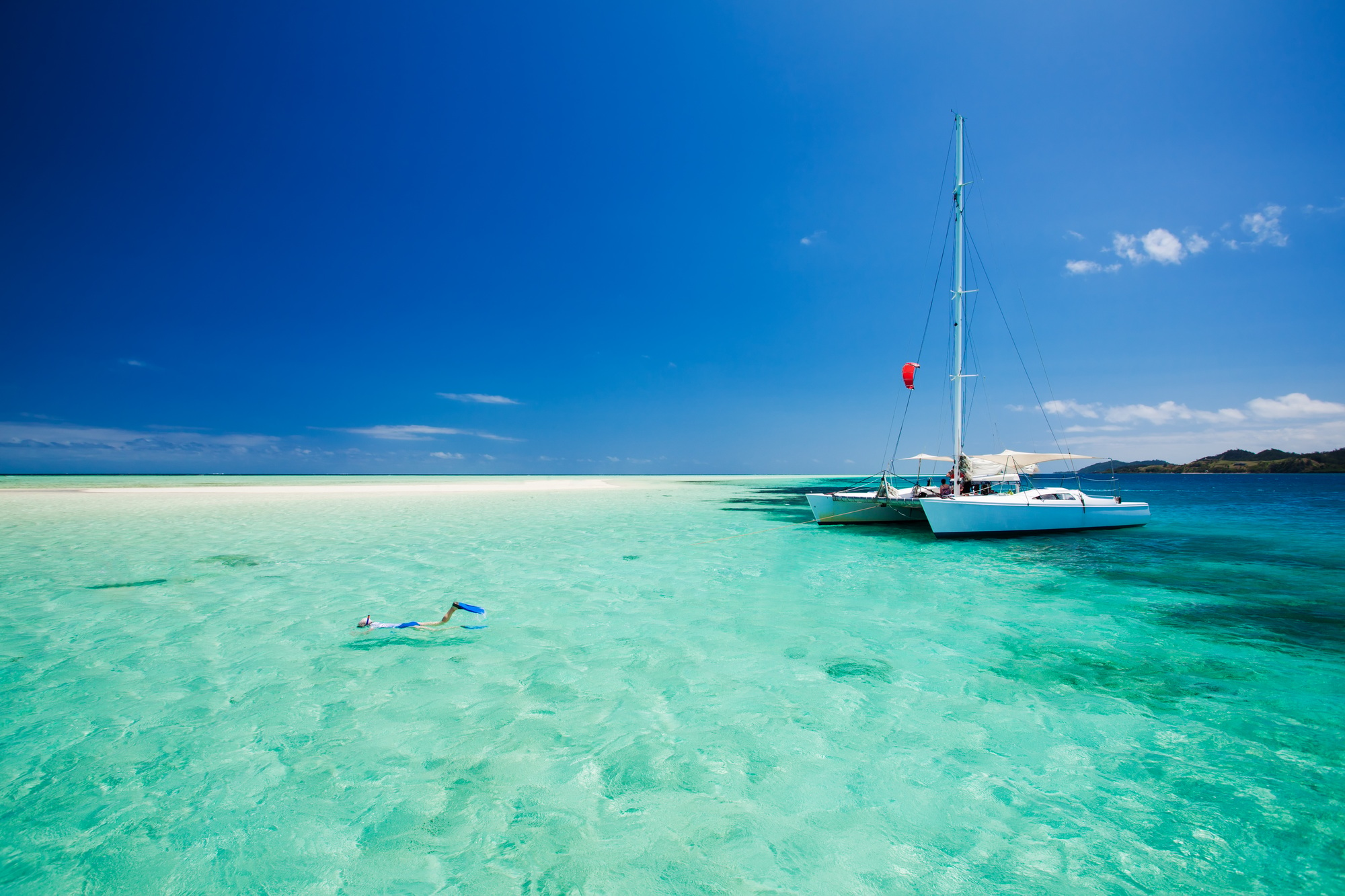
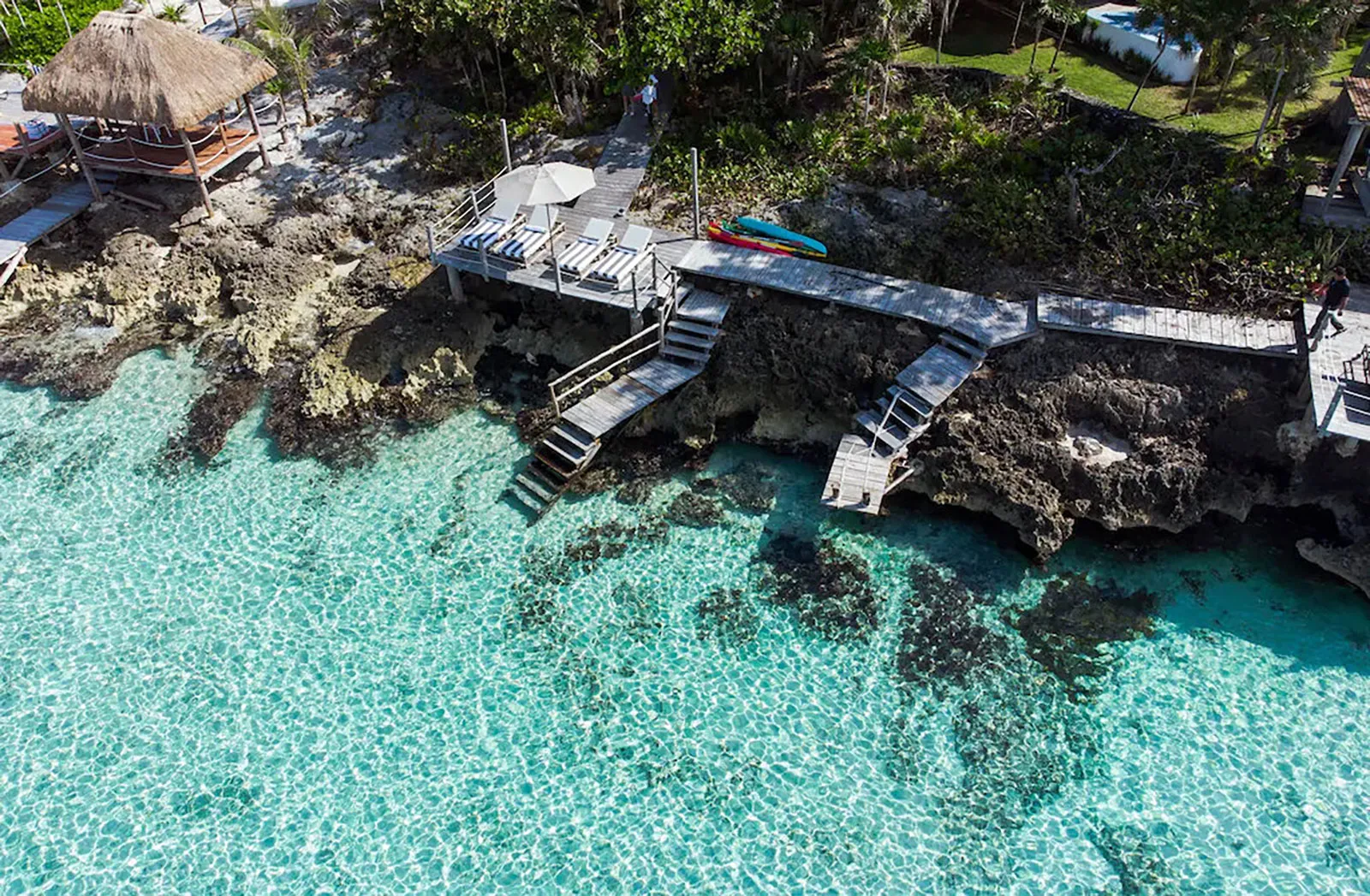
Snorkelers do not need a boat to see a great deal. Many oceanfront villas on the west coast have ladders straight into clear, reef-studded water, and in calm conditions you can snorkel from the house every morning. Beach clubs and parks along the south of the island offer easy entries, and boat snorkeling trips reach shallow reefs inside the park. Always check the current before swimming off the shore, wear a vest if you are not a strong swimmer, and use reef-safe sunscreen or, better, a rash guard.
When the water is best
Cozumel is a year-round dive destination. Winter and spring bring the driest weather and the most visitors; northerly winds in winter can occasionally close the port or push boats to the south. Summer water is warmest. Hurricane season runs from June to November, and storms can interrupt diving for days. If diving is the whole point of the trip, allow a spare day. Our sargassum guide explains the seaweed season, which generally affects the sheltered west coast less than the mainland beaches.
Where to stay for divers
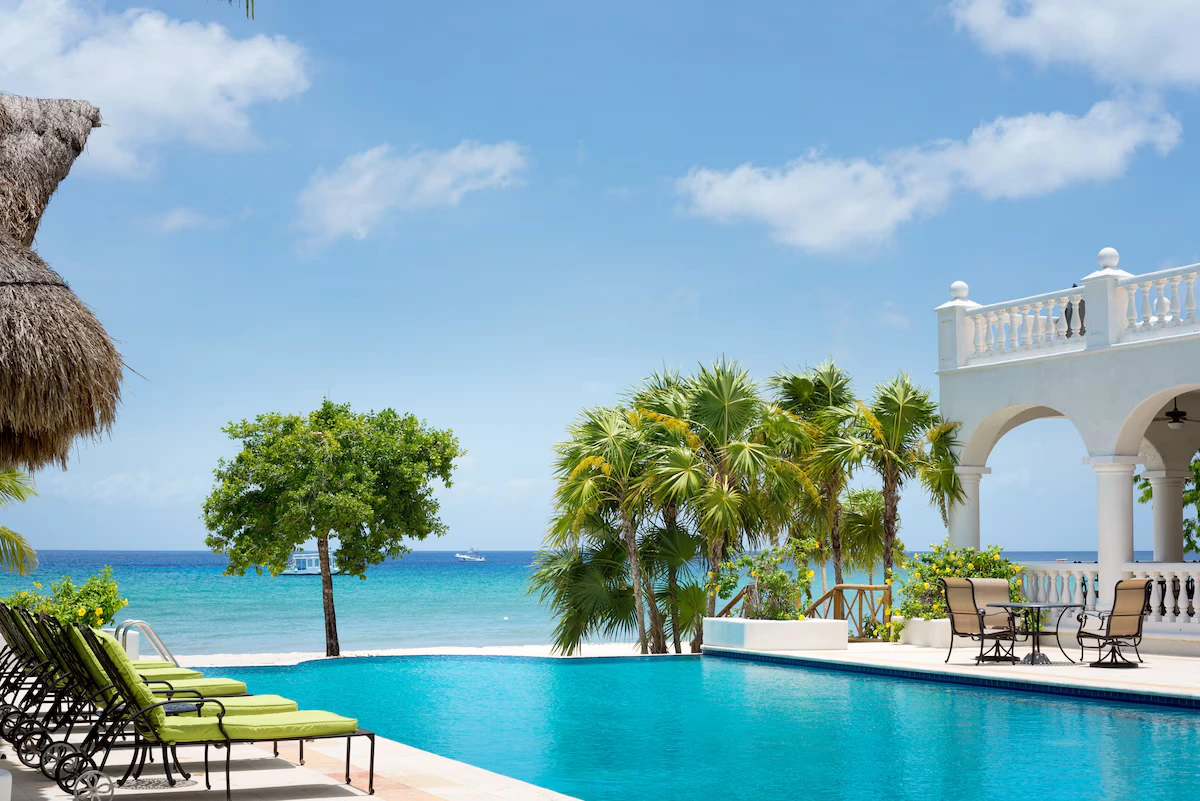
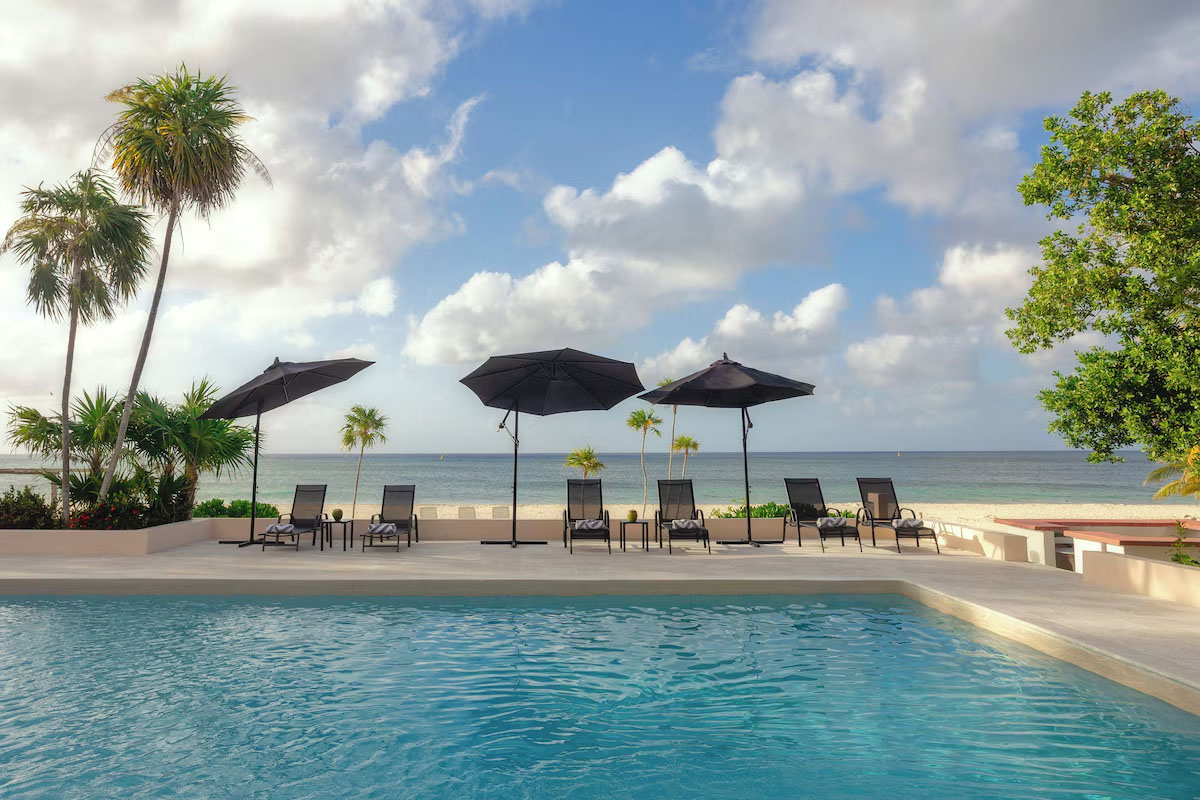
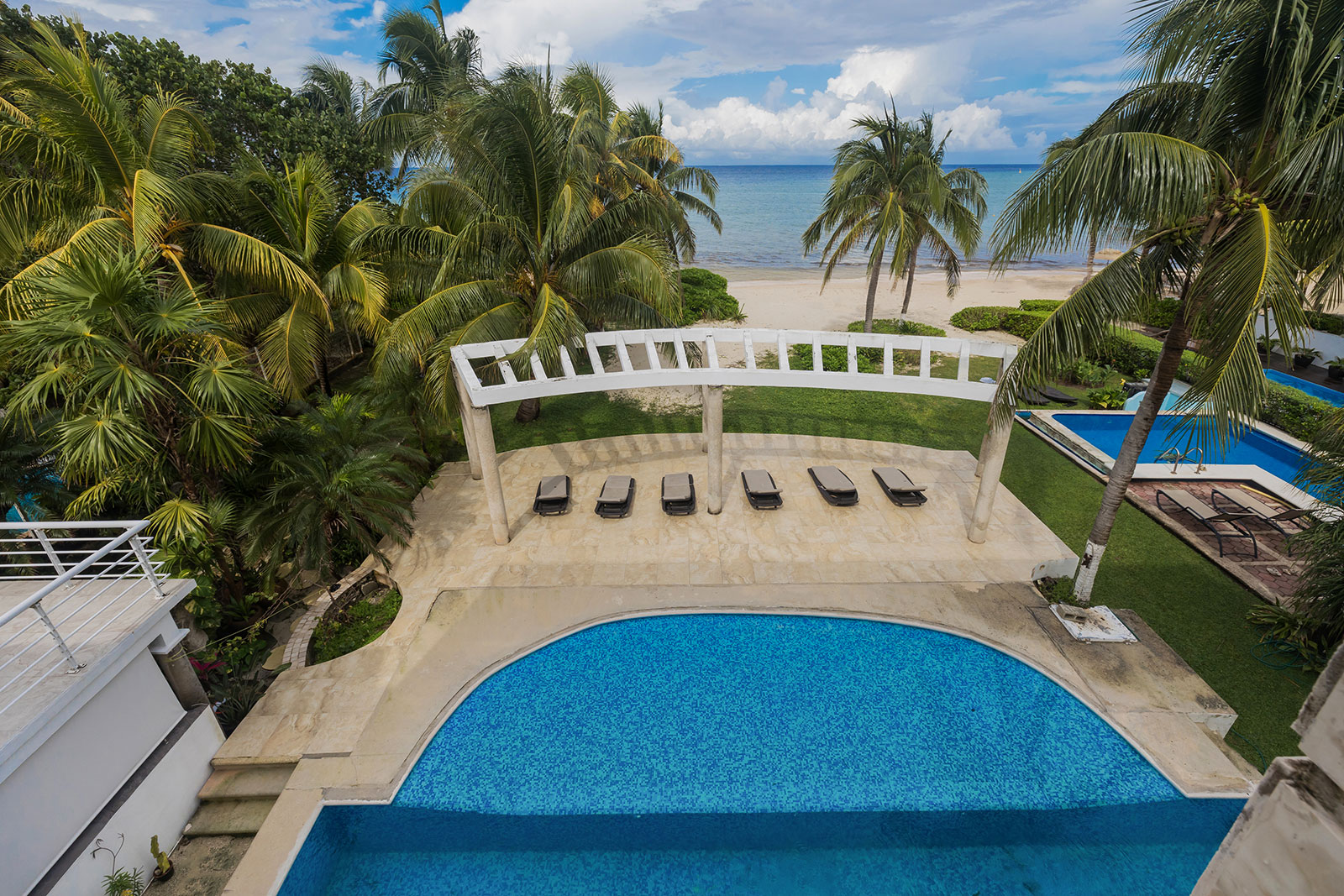
Villas south of town are closest to the park, and some large estates sit near the southern reefs. North-side condos are convenient and good value but a longer boat run. For snorkeling in Cozumel straight from the house, ask for a villa with a ladder or steps into the sea. Compare the areas in where to stay in Cozumel, and read booking a villa for the first time if a private house is new to you.